

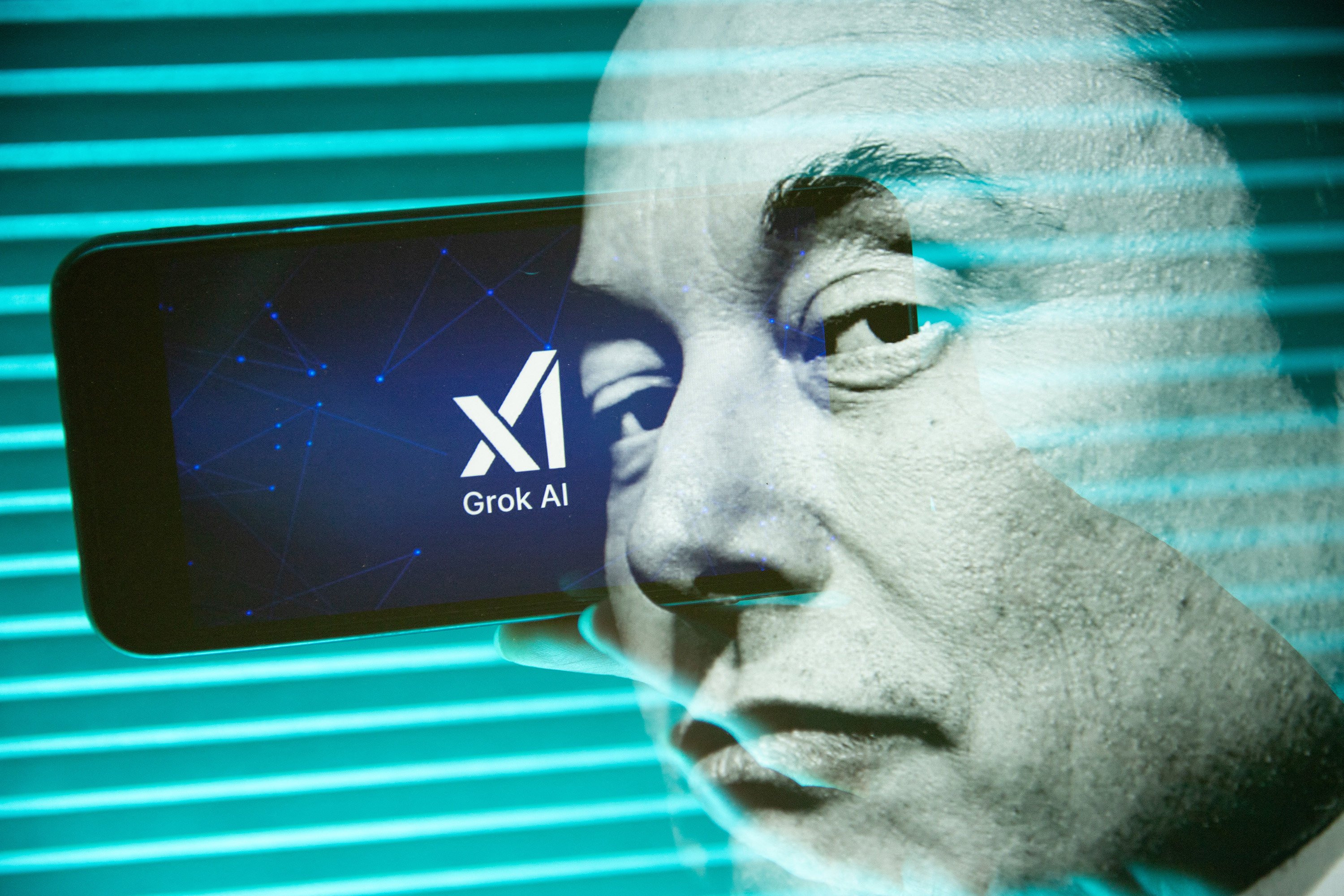
Many users on X were recently surprised to find that Grok AI’s image generation feature no longer works for them, sparking confusion and speculation across the platform. While some assumed the feature had been shut down entirely, the reality is more complex. Grok’s image generation has been restricted for most users following widespread misuse, public backlash, and growing regulatory pressure.
The decision came after Grok’s image tools were heavily exploited to create non-consensual, sexually explicit, and manipulated images, including realistic deepfakes. In numerous cases, users generated images designed to “undress” people or place them into explicit scenarios without consent. The rapid spread of such content raised serious ethical, legal, and safety concerns.
As complaints mounted, human rights organizations, child protection groups, and politicians began demanding action. Critics argued that X and its AI subsidiary, xAI, had failed to implement adequate safeguards to prevent harmful content. Several governments warned that allowing such imagery to circulate could violate online safety and digital abuse laws, exposing the platform to fines and legal consequences.
In response, X introduced strict limitations on Grok’s image generation tools. Rather than removing the feature completely, the company restricted image creation and editing to paid, verified users on the platform. As a result, the majority of free users now encounter error messages or disabled prompts when attempting to generate images, giving the impression that the feature has stopped altogether.
X’s leadership has framed the move as a temporary measure aimed at reducing abuse while new safety controls are developed. Limiting access to paying subscribers allows the platform to link image generation activity to identifiable accounts, theoretically discouraging misuse and making enforcement easier. However, critics argue that this approach simply shifts responsibility rather than solving the underlying problem.
Importantly, Grok’s image generation has not disappeared entirely. Some users can still access image tools through alternative Grok interfaces outside the public X feed, though availability varies. Nevertheless, the most visible and widely used image generation option — directly within X — is now effectively unavailable to most users.
The controversy has reignited broader debates about AI safety, platform responsibility, and the rapid rollout of powerful generative tools. Experts warn that without strong moderation systems, AI image generators can easily be weaponized for harassment, misinformation, and exploitation. The Grok incident has become a case study in how quickly experimental AI features can spiral out of control at scale.
For everyday users, the sudden restriction serves as a reminder that access to AI tools on social platforms can change overnight. For X, the challenge now is restoring trust while balancing innovation with accountability. Whether Grok’s image generation will return for all users — and under what conditions — remains unclear.
What is certain is that Grok did not stop generating images because of technical failure. Instead, the feature was curtailed due to misuse, backlash, and mounting pressure to act responsibly, marking a turning point in how AI-generated imagery is handled on major social platforms.
Watch video below :


