

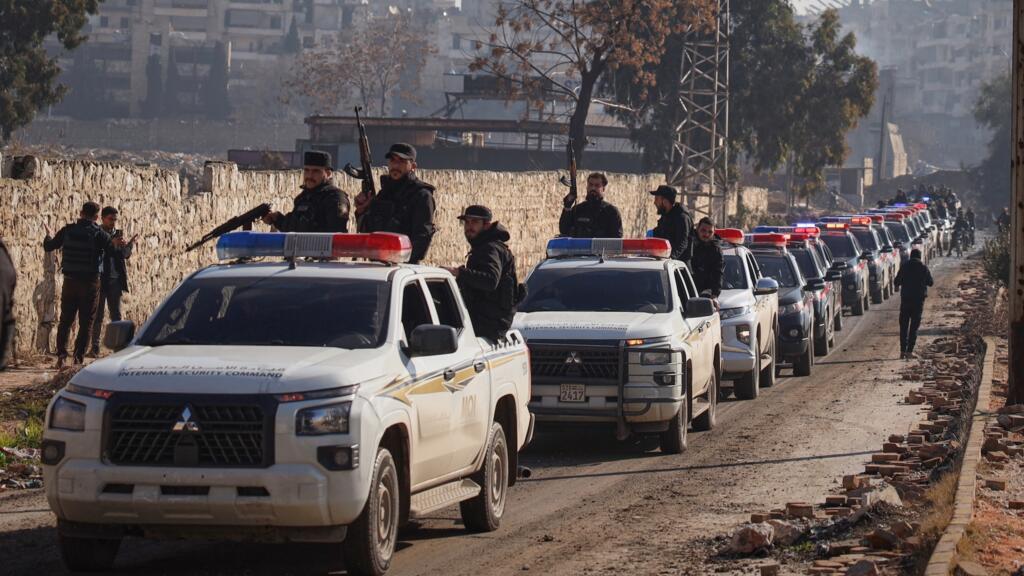
Violent clashes have broken out in the Syrian city of Aleppo between government forces and Kurdish fighters, raising fresh concerns about stability in one of the country’s most strategically important urban centers. The fighting marks a significant escalation in tensions between Damascus and Kurdish-led groups, threatening to further complicate Syria’s already fragile security landscape.
According to local reports, confrontations erupted after Syrian government troops moved into areas controlled or influenced by Kurdish forces. Exchanges of gunfire and shelling were reported in several neighborhoods, forcing civilians to remain indoors amid fears of renewed urban warfare. While casualty figures remain unclear, residents described a tense atmosphere as armed units reinforced positions across the city.
Aleppo, once Syria’s largest city and economic hub, has long been a focal point of the country’s civil war. Though major combat subsided in recent years, the city remains divided among various armed actors, including government forces, Kurdish groups, and other militias. The latest clashes highlight how unresolved political and territorial disputes continue to fuel instability even after years of conflict.
Kurdish fighters, who have controlled parts of northern Syria with backing from U.S.-led forces in the fight against ISIS, accuse the Syrian government of attempting to reassert control through force rather than negotiation. Kurdish officials have warned that military pressure undermines previous understandings and risks igniting broader confrontations across the region.
The Syrian government, for its part, maintains that it has the right to deploy forces anywhere within national territory. Officials in Damascus have repeatedly stated that all armed groups operating outside state control must eventually be integrated or dismantled. The clashes in Aleppo suggest that efforts to impose central authority remain highly contentious and potentially volatile.
Regional analysts say the fighting reflects deeper tensions over Syria’s future governance. Kurdish groups have sought varying degrees of autonomy, while the Assad government has resisted any arrangements that could weaken centralized rule. These competing visions have led to repeated flashpoints, particularly in mixed or strategically vital areas like Aleppo.
The renewed violence also raises concerns about civilian safety. Humanitarian organizations warn that any escalation in Aleppo could displace families and strain already limited resources. Years of war have left infrastructure damaged and basic services fragile, making the population especially vulnerable to renewed fighting.
International actors are closely monitoring developments, as Aleppo’s stability carries wider implications for Syria and the region. Any prolonged clashes could draw in additional forces or disrupt existing ceasefire arrangements elsewhere in the country.
As tensions remain high, residents of Aleppo face growing uncertainty over whether the clashes will remain localized or spiral into a larger confrontation. The fighting underscores a harsh reality of Syria’s post-war phase: while frontlines may shift, the underlying conflicts that fueled the war are far from resolved.
Watch video below :


