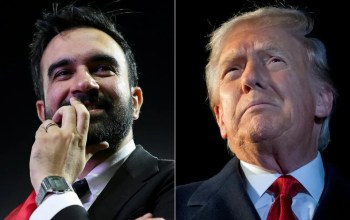
The United States is considering sending additional military reinforcements to the Middle East as the ongoing Iran war enters a more dangerous and unpredictable phase, raising global concerns about further escalation.
According to multiple reports, the administration of Donald Trump is weighing options to deploy thousands of additional U.S. troops and military assets to the region. The potential reinforcements are intended to strengthen existing operations, secure strategic waterways, and provide greater flexibility as the conflict with Iran intensifies.
Officials familiar with internal discussions say the reinforcements could include ground forces, although no final decision has been made. The move would primarily aim to protect critical infrastructure and ensure the safe flow of global energy supplies—particularly around the Strait of Hormuz, one of the world’s most important oil transit chokepoints.
At the same time, Trump has publicly sent mixed signals. In recent remarks, he stated that he is “not putting troops anywhere,” while also emphasizing that the United States will do “whatever is necessary” to achieve its objectives. This ambiguity reflects ongoing debates within the administration about how far to escalate military involvement.
Despite uncertainty over ground troop deployment, the U.S. has already significantly increased its military presence in the region. Advanced aircraft, naval forces, and attack helicopters have been deployed to counter Iranian threats, including drones, mines, and missile systems. These moves are part of a broader strategy to maintain control over key maritime routes and deter further attacks.
The Pentagon is also expanding support for regional allies. Recent approvals of billions of dollars in arms sales—including missile defense systems, drones, and fighter jet upgrades—highlight Washington’s effort to strengthen its partners amid rising tensions.
Public opinion in the United States remains divided. A recent national poll found that while many Americans believe Trump may eventually send ground troops into Iran, a majority oppose such a move, reflecting concerns about entering another prolonged Middle East conflict.
Military analysts note that the term “reinforcements” does not necessarily indicate a full-scale ground invasion. Instead, it often refers to defensive deployments, logistics units, and rapid-response forces designed to support air and naval operations. However, the possibility of escalation remains real, especially if attacks on U.S. forces or regional infrastructure continue.
The broader context of the conflict adds to the urgency. Recent strikes on energy facilities, shipping routes, and military bases across the Gulf have heightened fears of a wider regional war. Any disruption in the Middle East—particularly near vital oil routes—can have immediate consequences for global markets, including rising fuel prices and economic instability.
As the situation evolves, the decision on whether to send reinforcements could prove pivotal. It will not only shape the trajectory of the Iran war but also determine the extent of U.S. involvement in one of the most volatile regions in the world.
For now, the administration appears to be keeping all options on the table—balancing military pressure with the risks of deeper entanglement in a rapidly escalating conflict.
Watch video below :