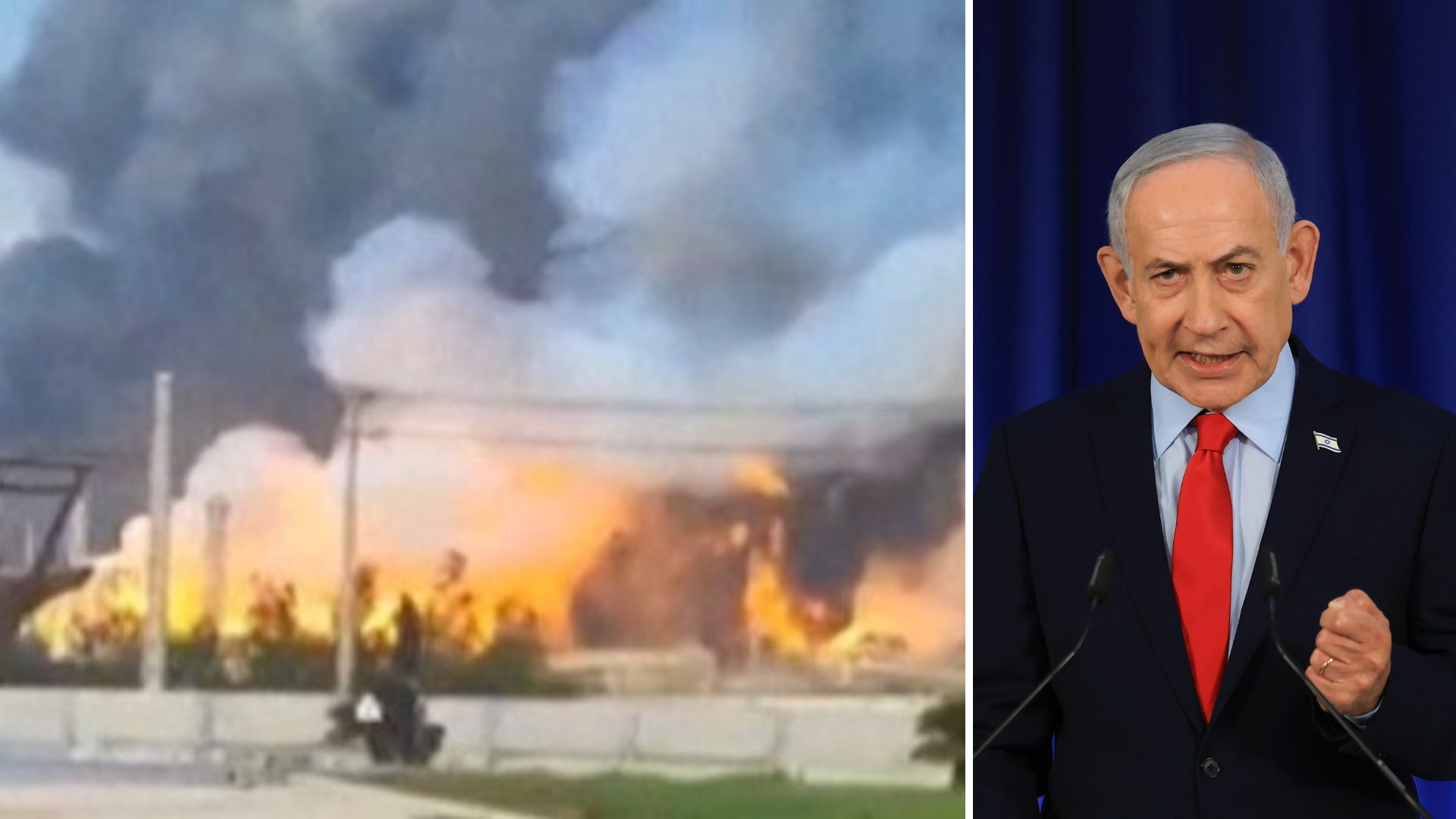
Israeli Prime Minister Benjamin Netanyahu заявил that Iran has effectively lost its ability to enrich uranium following a series of coordinated military strikes, marking a potentially pivotal moment in the ongoing Middle East conflict.
Speaking after nearly three weeks of sustained air operations, Netanyahu claimed that joint strikes by Israel and the United States had destroyed Iran’s nuclear enrichment capacity, along with key elements of its ballistic missile program.
The announcement comes amid escalating tensions in the region, as the war between Iran, Israel, and U.S. forces continues to intensify. According to Israeli officials, the strikes targeted critical nuclear infrastructure, including enrichment facilities and associated military assets, in an effort to halt Iran’s nuclear ambitions.
Netanyahu described the outcome as a major strategic success, suggesting that the campaign had achieved one of its primary objectives—neutralizing Iran’s ability to produce enriched uranium, a key component in nuclear weapons development. He also indicated that this could shorten the duration of the conflict if the gains are sustained.
However, the claim has quickly drawn skepticism from international experts and watchdogs. The head of the International Atomic Energy Agency (IAEA), Rafael Grossi, has disputed the assertion, stating that Iran likely still retains elements of its nuclear program despite the damage inflicted.
Analysts note that while airstrikes can significantly damage physical infrastructure, they may not fully eliminate a country’s nuclear capabilities. Iran is believed to possess technical expertise, dispersed facilities, and potentially hidden stockpiles that could allow it to rebuild its enrichment program over time.
The broader context of the conflict adds further complexity. The strikes on Iran’s nuclear sites are part of a wider military campaign that has also targeted energy infrastructure across the region, triggering retaliatory attacks by Iran on Gulf countries and causing major disruptions in global oil and gas markets.
Despite Netanyahu’s confident tone, some defense analysts caution that such declarations may be premature. Historically, similar claims about dismantling nuclear programs have been difficult to verify in the short term, especially in countries with advanced scientific capabilities and decentralized systems.
The situation also carries significant geopolitical implications. If Iran’s enrichment capability has indeed been severely degraded, it could shift the balance of power in the region and alter future diplomatic negotiations. On the other hand, if the damage is temporary, the conflict could enter a prolonged phase marked by continued strikes and reconstruction efforts.
Netanyahu has also signaled that military operations may continue if necessary, emphasizing that Israel’s broader objective is not only to neutralize nuclear threats but also to ensure long-term regional security.
As the international community closely monitors developments, the true extent of the damage to Iran’s nuclear program remains uncertain. Independent verification will likely take time, and the risk of further escalation continues to loom.
Watch video below :