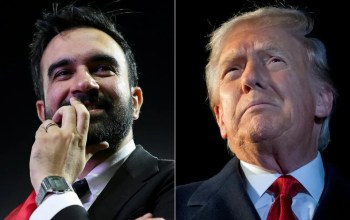
U.S. President Donald Trump hosted Japanese Prime Minister Sanae Takaichi for a high-profile White House dinner, underscoring the strength of the U.S.-Japan alliance at a time of rising geopolitical tensions and ongoing conflict in the Middle East.
The state dinner, held at the White House, followed a series of intense bilateral meetings between the two leaders, where discussions focused on security cooperation, economic partnerships, and the escalating Iran crisis. The event also brought together key political figures, business leaders, and major donors, highlighting the strategic importance of the U.S.-Japan relationship.
The meeting comes amid heightened global concern over the war involving Iran, with President Trump actively seeking international support. During discussions, Trump reportedly urged Japan to play a more active role in securing maritime routes, particularly around the strategically vital Strait of Hormuz—a key artery for global energy supplies.
However, Prime Minister Takaichi made it clear that Japan faces constitutional limitations regarding military involvement overseas. While reaffirming Japan’s commitment to regional stability and its alliance with the United States, she stopped short of pledging direct military support in the conflict.
Despite these differences, both leaders emphasized economic cooperation as a cornerstone of their partnership. Japan announced major investment plans in the United States, including tens of billions of dollars directed toward energy infrastructure and advanced technologies. These initiatives aim to strengthen supply chains, stabilize energy markets, and deepen bilateral economic ties.
The White House dinner also served as a platform for diplomatic messaging, with both sides presenting a united front on key global issues. Trump praised Japan’s support and highlighted the long-standing alliance between the two nations, describing it as essential to maintaining stability in both the Indo-Pacific and the broader international system.
However, the visit was not without controversy. During earlier remarks, Trump drew criticism for referencing the 1941 Pearl Harbor attack while discussing military strategy, a comment that sparked discomfort and debate given the historical sensitivity of the topic.
Political analysts note that the meeting reflects a delicate balancing act. While the United States seeks stronger backing from its allies amid escalating conflicts, countries like Japan must navigate domestic legal constraints and public opinion, particularly when it comes to military engagement abroad.
The White House dinner ultimately symbolized both unity and complexity within the U.S.-Japan alliance. While economic cooperation and diplomatic ties remain strong, differences over military involvement highlight the challenges facing allied nations in an increasingly unstable global environment.
As tensions in the Middle East continue to rise, the outcome of such high-level meetings could play a crucial role in shaping international responses, energy security policies, and the future direction of global alliances.
Watch video below :