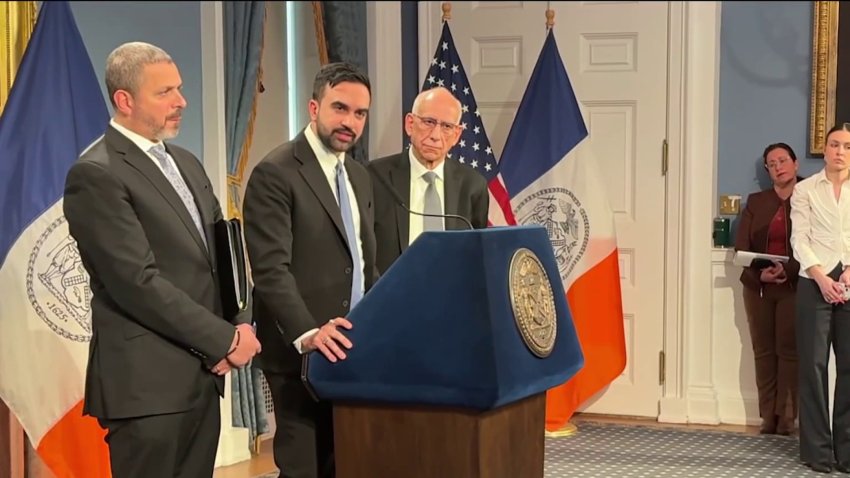
Lawmaker and mayoral candidate Zohran Mamdani is raising urgent concerns over a projected $12 billion budget deficit, warning that the shortfall poses a serious threat to public services, affordability, and the long-term financial stability of the city. His remarks have intensified debate over fiscal responsibility as budget negotiations move into a critical phase.
Speaking to reporters, Mamdani described the deficit as a warning sign that current spending priorities and revenue strategies are unsustainable. He argued that without decisive action, the gap could lead to deep cuts in essential services that working families rely on, including public transportation, housing programs, education, and healthcare.
“This is not an abstract number,” Mamdani said. “A $12 billion deficit means real consequences for real people.” He emphasized that the burden of closing the gap should not fall on low- and middle-income residents, who are already facing rising living costs.
Mamdani blamed the growing deficit on a combination of structural issues, including declining federal aid, rising debt obligations, and what he described as years of fiscal mismanagement. He also criticized reliance on temporary fixes, such as one-time funding sources, arguing that they mask deeper budget problems instead of solving them.
According to Mamdani, the looming deficit requires a fundamental rethink of budget priorities. He has called for progressive revenue measures, including higher taxes on large corporations and the wealthiest individuals, as well as stricter oversight of government contracts and subsidies. Mamdani argues that such steps could help stabilize finances without cutting vital services.
City officials have acknowledged the seriousness of the budget gap but say they are exploring a range of options to address it. Some leaders have urged caution, warning that aggressive tax increases could drive businesses away or slow economic growth. Others argue that spending restraint, rather than new taxes, should be the primary tool for restoring balance.
The $12 billion deficit has become a central issue in the broader political debate over the city’s economic future. Analysts note that rising pension costs, inflation, and slowing revenue growth have created mounting pressure on local budgets nationwide, making the challenge particularly complex.
Mamdani has positioned himself as a voice of urgency, warning that delaying tough decisions will only make the problem worse. He has called for transparent budget negotiations and greater public involvement in deciding how to close the gap. “People deserve to know what’s at stake and have a say in the solutions,” he said.
Critics of Mamdani argue that his proposals could create new risks, pointing to uncertainty in revenue projections and potential legal or political obstacles. Supporters, however, say his warnings reflect a reality that leaders can no longer ignore.
As budget talks continue, the debate over the $12 billion deficit is expected to shape policy decisions and political alliances in the months ahead. Whether lawmakers choose spending cuts, new revenue, or a combination of both, Mamdani’s message is clear: the time to confront the budget crisis is now.
Watch video below :