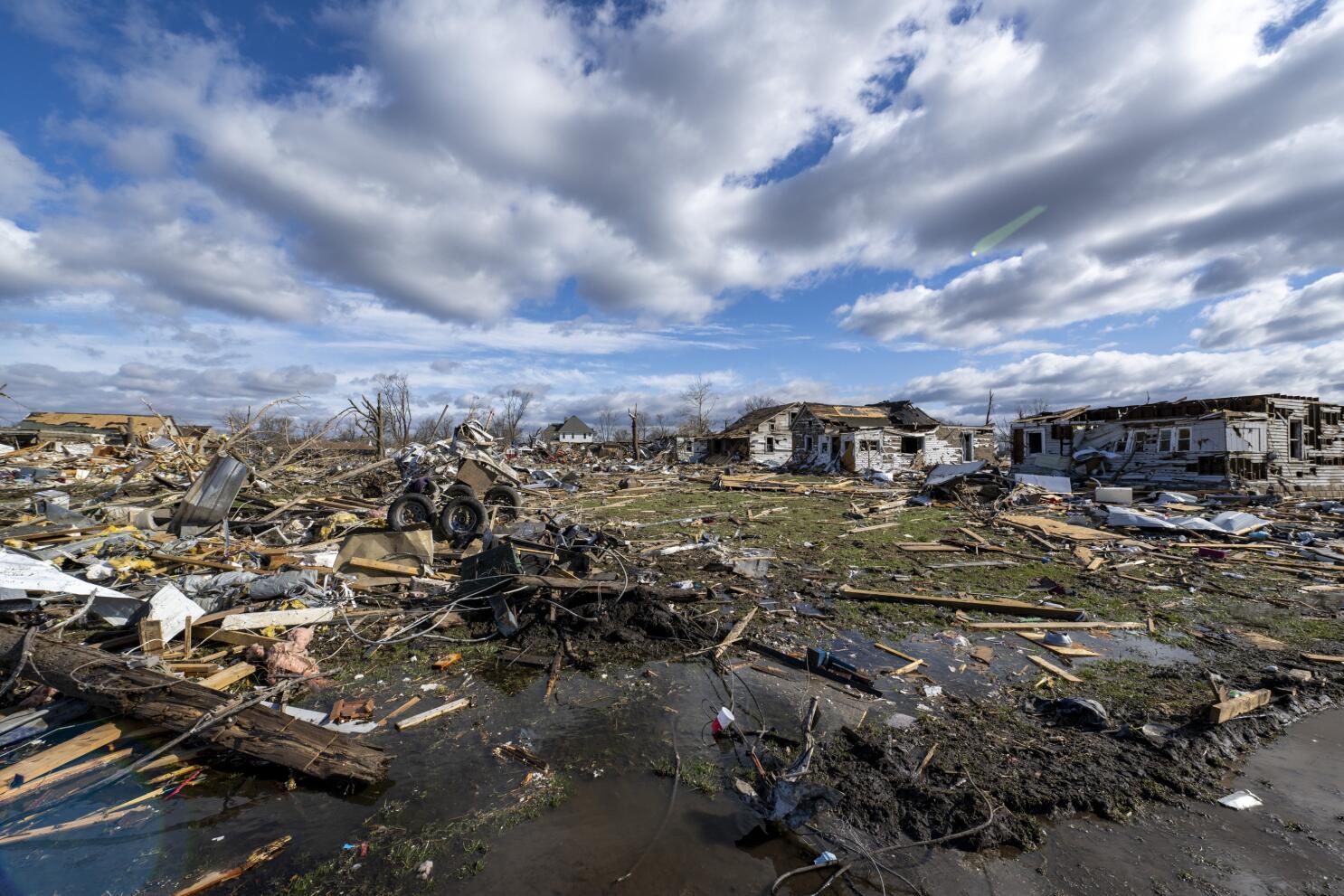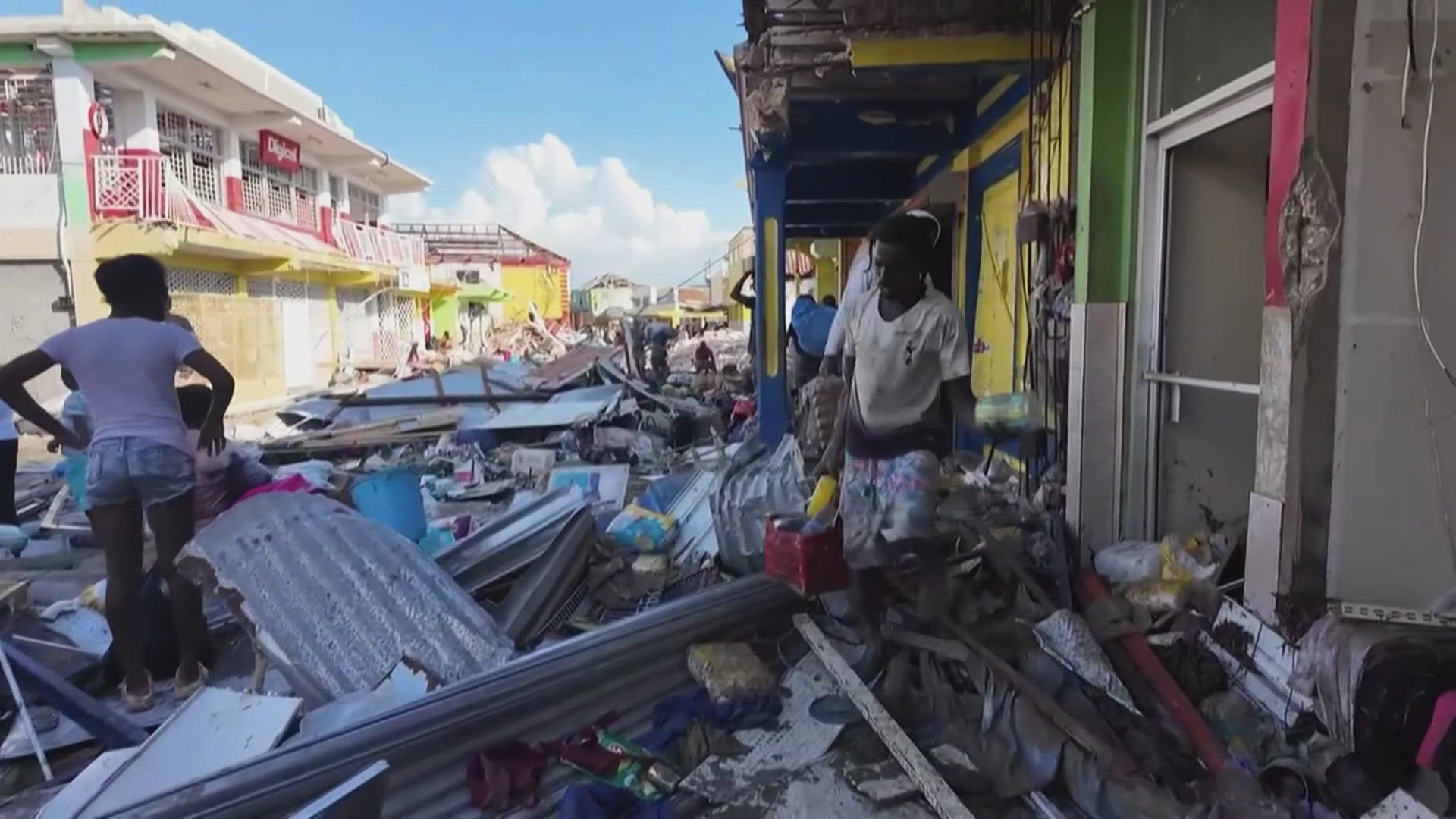
Jamaica is reeling from the devastating impact of Hurricane Melissa, which tore across the island earlier this week, leaving widespread destruction and at least 19 confirmed deaths, according to Jamaica’s ambassador to the United States.
The powerful Category 5 hurricane struck the island with sustained winds exceeding 180 mph (290 km/h), ripping off roofs, uprooting trees, and sweeping away entire communities. Officials warn the death toll may rise as rescuers struggle to reach remote areas cut off by floodwaters and landslides.
In an emergency statement, Ambassador Audrey Marks confirmed the casualties, noting that “many areas remain inaccessible, and communication with several parishes has been completely lost.” The government has declared a national state of emergency as relief teams race against time to deliver food, medical supplies, and shelter to thousands of displaced residents.
The hardest-hit regions include Westmoreland, St. Elizabeth, and Manchester, where heavy rainfall triggered deadly flash floods and mudslides. Local authorities report that hundreds of homes were destroyed or severely damaged. “It looks like a war zone,” said one resident from Savanna-la-Mar, describing collapsed houses and power poles scattered across roads.
Across Jamaica, millions remain without electricity and running water. The Jamaica Public Service Company said more than 70% of the island’s grid is offline, and full restoration could take weeks. Telecommunications have also been disrupted, complicating coordination between emergency responders and international aid groups.
Prime Minister Andrew Holness addressed the nation late Thursday, expressing condolences to the victims’ families and pledging “a full and transparent recovery effort.” He added that international partners — including the United States, Canada, and regional Caribbean agencies — have begun sending assistance.
The Jamaican Defence Force has deployed helicopters and boats to deliver supplies to isolated communities. Meanwhile, the Red Cross and UN disaster relief teams are setting up temporary shelters in schools and community centers for families who lost their homes.
Meteorologists warn that even though Hurricane Melissa has moved north toward Bermuda, the storm’s remnants could still bring dangerous flooding to Jamaica in the coming days. Environmental officials also raised concerns about contaminated water supplies and the risk of disease outbreaks due to stagnant floodwater.
For many Jamaicans, the recovery will be long and painful. Entire neighborhoods have been wiped out, farms destroyed, and critical infrastructure heavily damaged. Yet amid the devastation, stories of resilience are emerging — neighbors rescuing each other, volunteers clearing debris, and communities coming together to rebuild.
“This is one of the darkest moments in our history,” said Ambassador Marks, “but Jamaicans are strong, and we will rise again.”
As the island begins its recovery, the nation mourns — not just for the 19 lives lost, but for the lasting scars left behind by one of the most powerful storms ever to strike the Caribbean.
Watch video below :