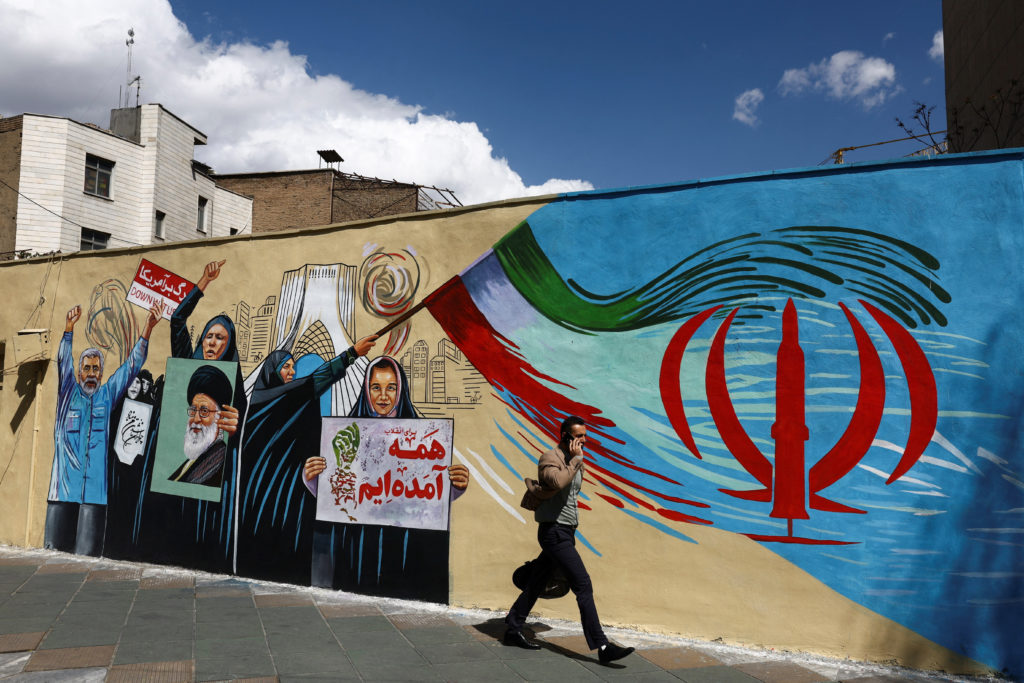
The future of Iran’s missile arsenal and nuclear program remains highly uncertain after a fragile ceasefire paused weeks of intense military confrontation involving the United States, Israel, and Iran. While the temporary truce has reduced immediate fears of escalation, major questions persist regarding Tehran’s ability to rebuild or continue its strategic weapons programs.
According to early assessments, the ceasefire agreement does not fully resolve concerns surrounding Iran’s nuclear enrichment activities or its ballistic missile capabilities. Analysts suggest that although military strikes targeted key facilities, significant portions of Iran’s infrastructure may still remain intact or recoverable, leaving the long-term threat largely unresolved.
Nuclear Program Still a Central Concern
One of the most critical issues is the status of Iran’s highly enriched uranium stockpile. Reports indicate that much of the enriched material remains inside the country, potentially stored at heavily fortified underground sites. Prior to the conflict, Iran had enriched uranium up to levels approaching weapons-grade purity, though Iranian officials have consistently stated that their nuclear program is intended for peaceful civilian energy purposes.
U.S. officials have emphasized that dismantling Iran’s nuclear capabilities was a key objective of the military campaign. However, statements from both sides suggest there is no clear agreement yet on how uranium stockpiles will be handled, monitored, or reduced under a potential long-term peace framework.
Diplomatic differences also emerged in competing versions of the ceasefire proposal, with language regarding Iran’s right to continue uranium enrichment appearing in some versions but not others. This discrepancy has raised questions about whether negotiations could lead to a compromise allowing limited enrichment under international supervision.
Missile Capabilities Not Fully Eliminated
Iran’s missile program also remains a significant concern for Western and regional security officials. Estimates suggest that prior to the conflict, Iran possessed thousands of ballistic missiles of varying ranges, as well as an extensive drone arsenal. Despite sustained strikes on launch facilities and weapons production infrastructure, experts believe Iran still retains the technical capacity to rebuild or maintain portions of its missile program.
Military analysts note that missile and drone attacks continued in parts of the Middle East even after the ceasefire announcement, highlighting the fragile nature of the agreement and the possibility of renewed hostilities.
Regional Stability at Risk
The uncertainty surrounding Iran’s weapons programs has broader geopolitical implications, particularly for energy markets and regional alliances. Iran has demonstrated its ability to disrupt shipping routes through the Strait of Hormuz, a critical global oil transit chokepoint, underscoring the strategic importance of long-term security arrangements.
Experts warn that without a comprehensive agreement addressing missile limitations and nuclear transparency, the ceasefire could serve only as a temporary pause in a larger conflict. Both sides have claimed strategic success, but neither appears to have fully achieved its primary military objectives.
Outlook for Future Negotiations
Diplomatic efforts are expected to continue in the coming weeks, with negotiators seeking a framework that could reduce tensions and prevent further escalation. However, major disagreements remain over verification measures, sanctions relief, and the extent to which Iran would be required to scale back its strategic capabilities.
For now, the ceasefire offers limited clarity about the ultimate fate of Iran’s missile forces and nuclear ambitions. As negotiations progress, global markets and political leaders will be closely monitoring whether the temporary truce evolves into a lasting solution or merely delays another phase of confrontation.
Watch video below :