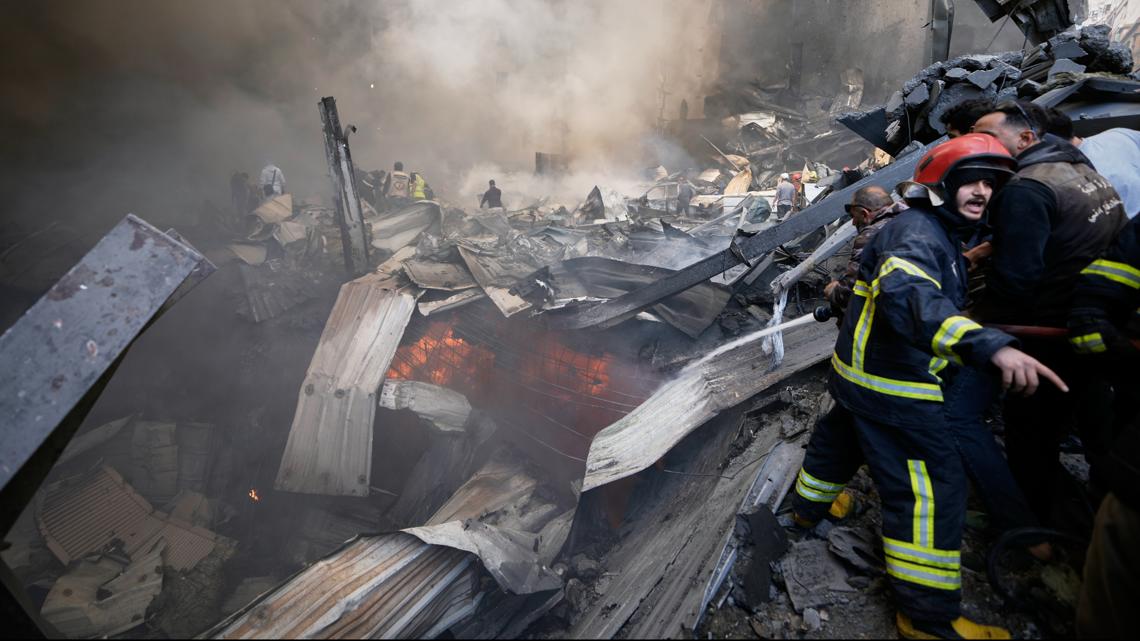
Iran has accused the United States of violating key terms of the recently announced ceasefire agreement, raising concerns that the fragile truce could collapse and reignite broader conflict in the Middle East. The accusations come just days after both sides agreed to temporarily halt hostilities following weeks of military escalation that disrupted global energy markets and heightened geopolitical tensions.
Iran Claims Multiple Ceasefire Conditions Breached
According to Iranian officials, Washington failed to adhere to several provisions included in the proposed framework designed to reduce hostilities and create conditions for diplomatic negotiations. Iranian parliamentary leaders stated that at least three elements of the ceasefire proposal had already been violated, undermining trust between the two countries before formal negotiations could begin.
Iran also pointed to continued military activity in the region, including operations involving U.S. allies, as evidence that the ceasefire has not been fully respected. Officials argued that ongoing strikes against Iranian-linked forces in neighboring areas contradict the spirit of de-escalation that both sides publicly endorsed.
Strait of Hormuz Remains a Key Flashpoint
Tensions surrounding the Strait of Hormuz continue to play a central role in the dispute. The strategic waterway is responsible for transporting a significant portion of the world’s oil supply, making stability in the region critical for global energy security.
As part of the ceasefire understanding, Iran had indicated it would allow limited reopening of the shipping route. However, renewed disagreements over security guarantees and military activity have complicated implementation of the agreement. Iranian leaders emphasized that continued pressure or perceived violations could affect future cooperation regarding maritime access.
Diplomatic Trust Remains Low
Iran’s ambassador to the United Nations indicated that Tehran remains cautious about entering formal peace talks with Washington due to long-standing mistrust and uncertainty surrounding U.S. commitments. Officials stressed that while diplomacy remains possible, any negotiations must include clear guarantees that military pressure will not resume during the process.
International leaders have urged restraint from all parties, warning that further escalation could threaten regional stability and disrupt global markets already affected by weeks of conflict. European governments have publicly supported the ceasefire while emphasizing the importance of maintaining dialogue to prevent further deterioration of security conditions.
Ceasefire Stability Remains Uncertain
Analysts note that ceasefire agreements in complex geopolitical conflicts often face early challenges, particularly when multiple parties and regional actors are involved. Reports of continued military activity across parts of the Middle East highlight the difficulty of enforcing a complete halt to hostilities.
While the current ceasefire has temporarily reduced the risk of immediate escalation, ongoing accusations and counterclaims suggest the path toward a long-term peace agreement remains uncertain. Diplomatic negotiations are expected to determine whether the truce can evolve into a sustainable framework for stability or merely delay further confrontation.
Watch video below :