

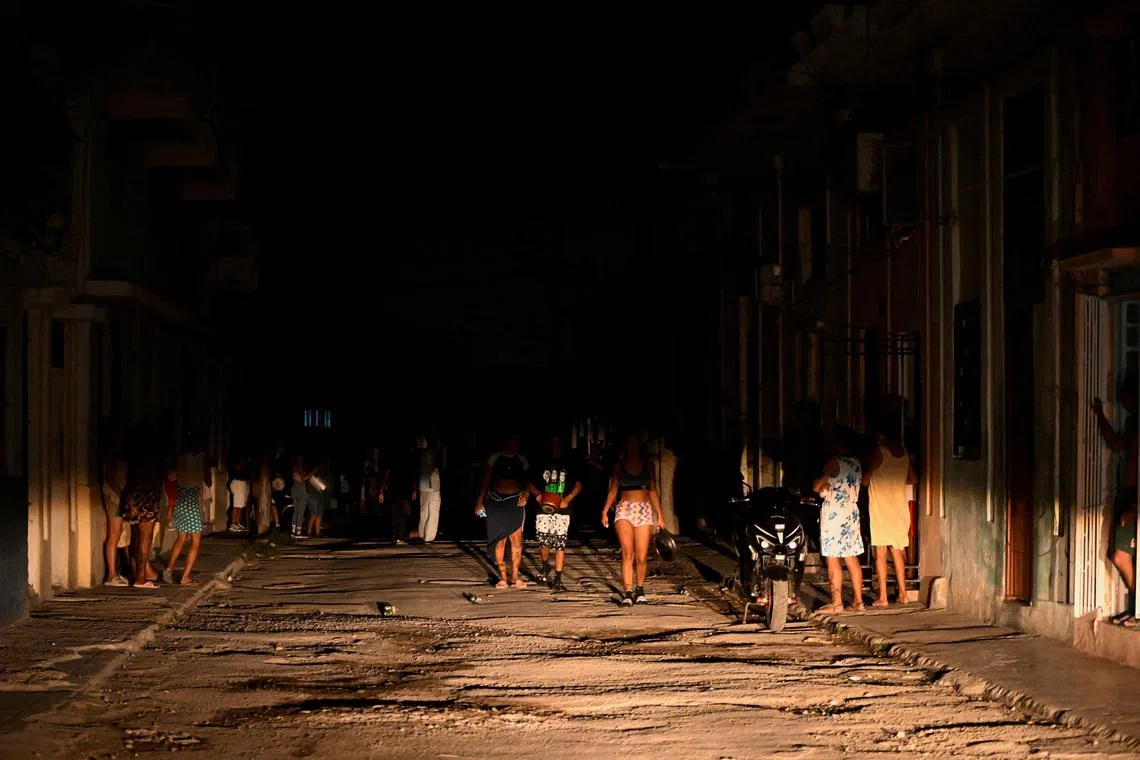
The Caribbean nation of Cuba was plunged into darkness after a massive island-wide blackout shut down electricity across the country, highlighting the severity of its ongoing energy crisis.
Officials confirmed that the entire national electrical system suffered a “complete disconnection,” leaving millions of residents without power and forcing authorities to scramble to restart the grid. The outage affected nearly 11 million people, making it one of the most serious power failures on the island in recent months.
What Caused the Nationwide Blackout?
According to Cuba’s Ministry of Energy and Mines, the blackout occurred after the country’s fragile power grid collapsed. Authorities said investigators were still examining the exact cause, though no immediate equipment failure was reported in the generating units that were still operating at the time.
Energy officials explained that restoring electricity will take time because the grid must be restarted gradually to avoid further breakdowns. Technicians are attempting to bring several thermoelectric power plants back online, which are essential for restoring national electricity service.
The outage marks the third major nationwide blackout in just four months, reflecting the growing instability of Cuba’s electrical infrastructure.
A Power System Under Extreme Pressure
Cuba’s energy network has been under intense pressure for years due to a combination of factors, including aging infrastructure, limited maintenance, and severe fuel shortages. Many of the country’s power plants are decades old and rely on imported fuel to operate.
The situation has worsened since 2024, when recurring mechanical failures and declining fuel shipments triggered a series of large-scale power outages across the island. Some regions have experienced daily electricity cuts lasting up to 18 hours during peak shortages.
Another major challenge is the lack of consistent fuel imports. Government officials recently revealed that the country had gone more than 90 days without significant oil deliveries, forcing the government to rely increasingly on limited natural gas production and small-scale solar projects.
Impact on Daily Life
The nationwide blackout has disrupted daily life across major cities including Havana, where streets were left dark and many businesses were forced to close. Transportation, hospitals, and food storage systems have also been affected.
Power outages have become a regular hardship for Cuban citizens, with many households struggling to keep food refrigerated or maintain basic services. The crisis has also intensified economic difficulties, as businesses and tourism operators face repeated interruptions.
Growing Economic and Social Pressure
The ongoing electricity crisis is part of a broader economic struggle facing Cuba. The island has been dealing with inflation, shortages of food and medicine, and declining fuel supplies, all of which have put additional strain on public services.
Energy shortages have also fueled public frustration, occasionally leading to protests and growing political pressure on the government. Experts warn that without major investment in infrastructure or increased fuel supplies, the country could face continued large-scale blackouts in the coming months.
What Happens Next?
Authorities are working to gradually restore electricity by restarting key thermoelectric plants and stabilizing the national grid. However, experts say that without structural reforms and new energy investments, Cuba’s power system will likely remain vulnerable to further breakdowns.
For now, the latest blackout serves as a stark reminder of the fragile state of the country’s electricity network and the deepening challenges facing the island’s economy and energy security.
Watch video below :


