

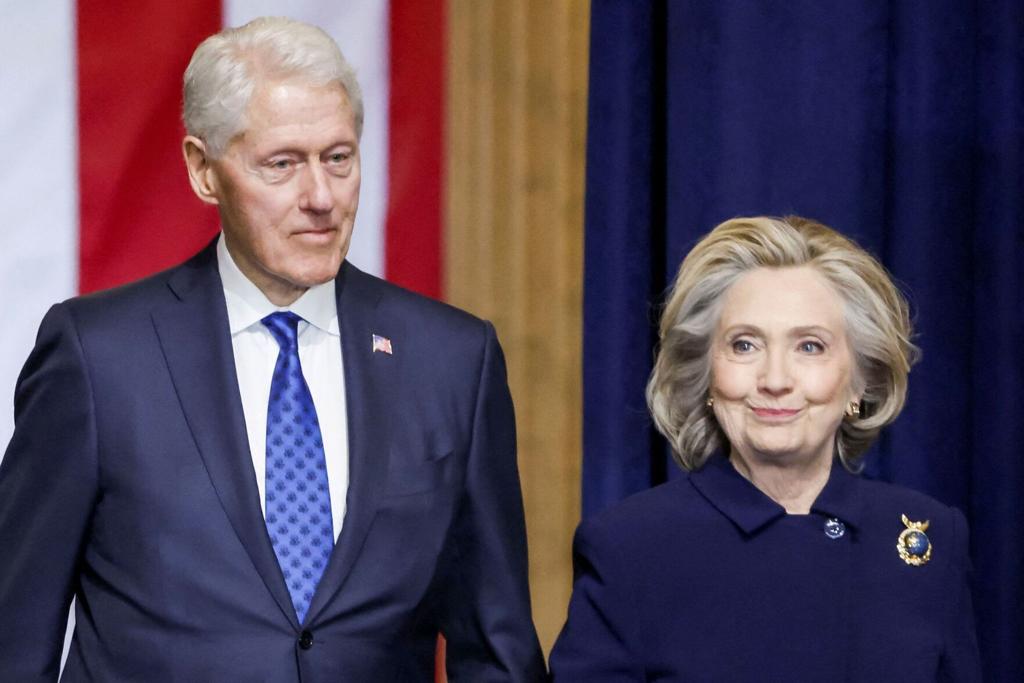
Former President Bill Clinton and former Secretary of State Hillary Clinton are facing renewed scrutiny after reportedly refusing to testify in the ongoing investigation into Jeffrey Epstein, despite warnings from lawmakers that contempt proceedings could follow.
The decision has reignited public debate over accountability, transparency, and the reach of congressional investigations involving high-profile political figures. Epstein, the disgraced financier who died in jail in 2019 while awaiting trial on sex trafficking charges, has long been linked to powerful individuals across politics, business, and entertainment.
According to sources familiar with the matter, congressional investigators sought testimony from the Clintons as part of a broader effort to examine Epstein’s network of influence and determine whether powerful figures received special treatment or avoided scrutiny. Despite repeated requests, the Clintons have declined to appear, citing legal and procedural concerns.
Lawmakers leading the probe have warned that refusal to cooperate could result in contempt of Congress, a rare but serious measure that underscores the growing frustration among investigators. Critics argue that the refusal sends a damaging message at a time when public trust in institutions remains fragile.
Bill Clinton has previously acknowledged limited interactions with Epstein, including travel aboard Epstein’s private jet in the early 2000s. He has consistently denied any knowledge of or involvement in Epstein’s criminal activities. Hillary Clinton has stated that she had no relationship with Epstein and was unaware of his actions until they became public.
Supporters of the Clintons argue that the investigation risks becoming politically motivated and point out that Epstein associated with figures from across the political spectrum. They contend that no evidence has emerged linking the Clintons to Epstein’s crimes and say further testimony would not advance the investigation.
However, critics counter that refusing to testify fuels suspicion and undermines claims of transparency. They argue that if ordinary citizens are expected to cooperate with investigations, powerful political figures should be held to the same standard.
The Epstein case continues to cast a long shadow over American politics. Questions surrounding his death, the handling of his prosecution, and the apparent protection enjoyed by some of his associates have become symbols of perceived inequality within the justice system.
Legal experts note that contempt proceedings against former presidents or senior officials are exceedingly rare and politically sensitive. While Congress has the authority to pursue enforcement, doing so against figures as prominent as the Clintons would likely escalate tensions and trigger prolonged legal battles.
As the investigation moves forward, pressure is mounting on congressional leaders to determine whether to follow through on contempt threats or seek alternative avenues to obtain information. For many observers, the outcome will serve as a test of whether accountability truly applies equally to the powerful and the public.
For now, the Clintons’ refusal to testify has ensured that the Epstein investigation remains firmly in the national spotlight — and that questions surrounding power, privilege, and justice remain far from resolved.
Watch video below :


