

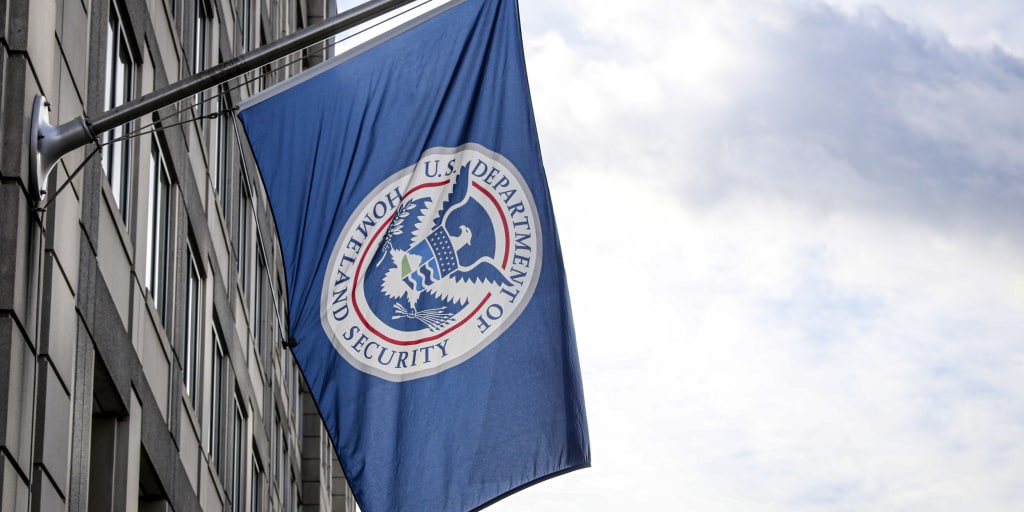
The U.S. Department of Homeland Security (DHS) has announced plans to end Temporary Protected Status (TPS) for Somali nationals, a decision that could affect thousands of immigrants currently living and working legally in the United States. The move has sparked concern among immigration advocates, community leaders, and lawmakers, who warn of serious humanitarian and legal consequences.
Temporary Protected Status is a humanitarian immigration program that allows nationals of designated countries to remain in the United States when conditions such as armed conflict, natural disasters, or extraordinary circumstances make it unsafe to return home. Somalia has been designated for TPS for decades due to ongoing instability, violence, and humanitarian crises.
According to DHS, the decision to terminate TPS for Somali nationals follows a review of country conditions. The department stated that the designation no longer meets the statutory requirements for continuation. Officials emphasized that the decision was based on current assessments rather than political considerations, though critics strongly dispute that claim.
For Somali TPS holders, the announcement creates significant uncertainty. Once the designation officially ends, individuals who do not have another form of legal status may face the risk of deportation. Many Somali nationals under TPS have lived in the United States for years, building families, careers, and businesses. Some have U.S.-born children who are American citizens.
Immigration advocates argue that conditions in Somalia remain dangerously unstable. Armed conflict, extremist violence, food insecurity, and displacement continue to threaten civilian populations. Human rights organizations warn that forcing people to return could expose them to serious harm and worsen an already fragile humanitarian situation.
Community leaders within the Somali-American population say the decision could have devastating effects. Somali TPS holders play key roles in healthcare, transportation, small businesses, and other essential industries across the U.S. Ending TPS, they argue, not only disrupts families but also harms local economies that rely on immigrant labor.
Lawmakers critical of the move have urged DHS to reconsider or extend protections through other legal pathways. Some have called for congressional action to provide permanent status for long-term TPS holders, noting that many have lived in legal limbo for decades despite deep roots in American society.
Supporters of the DHS decision argue that TPS was never intended to be permanent and that immigration policy must adhere to the law as written. They maintain that periodic reviews are necessary to ensure the program is applied consistently and fairly across different nationalities.
Legal experts note that the termination of TPS often leads to court challenges. Past attempts to end TPS for other nationalities have faced legal obstacles, resulting in temporary extensions while lawsuits proceed. It remains unclear whether similar legal action will delay or block the termination for Somali nationals.
As the deadline approaches, Somali TPS holders are being urged to seek legal advice and explore alternative immigration options if available. The decision marks another flashpoint in the broader national debate over immigration enforcement, humanitarian protections, and the future of long-term immigrant communities in the United States.
For thousands of Somali families, the announcement represents not just a policy change, but a life-altering moment filled with uncertainty about what comes next.
Watch video below :


