The United States has escalated tensions in the Middle East by announcing a naval blockade targeting Iran. The decision comes after ceasefire negotiations between the two sides ended without agreement, raising concerns about regional stability and global economic consequences.
Strategic Military Move by the United States
According to official statements, the US military will begin blocking maritime traffic to and from Iranian ports. This action effectively restricts Iran’s access to international shipping routes, aiming to increase pressure on Tehran following the breakdown of diplomatic efforts.
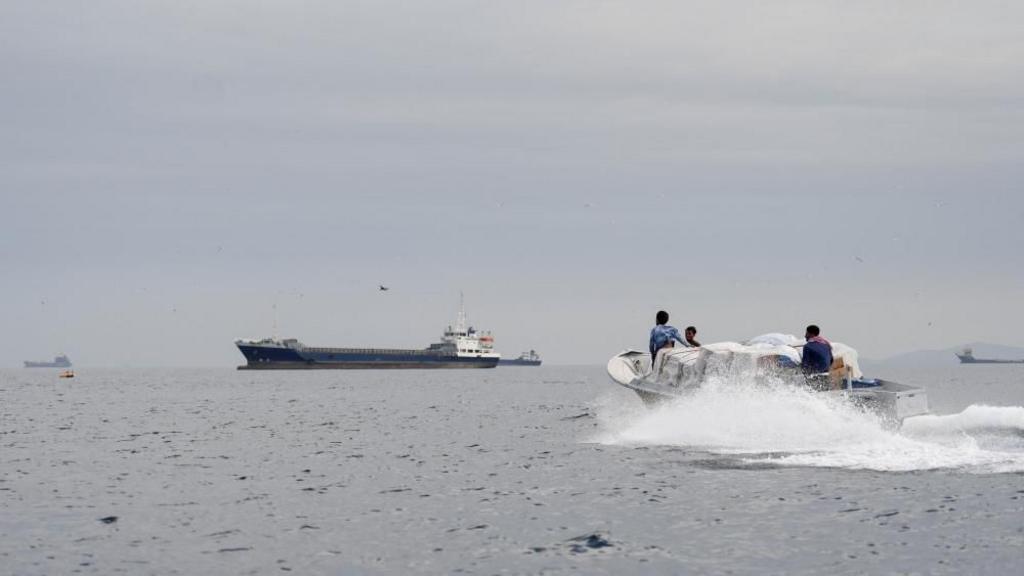
The blockade is expected to focus on vessels entering or leaving Iranian ports, particularly those operating in the Persian Gulf region. However, the critical Strait of Hormuz will remain open to international shipping not directly linked to Iran, ensuring that global trade routes are not completely disrupted.
This approach allows the United States to apply targeted economic and strategic pressure without triggering a full-scale closure of one of the world’s most important maritime corridors.
Why Ceasefire Talks Failed
The recent negotiations represented a significant attempt to reduce tensions, but ultimately failed due to deep disagreements. Key issues included Iran’s nuclear program, regional influence, and security concerns raised by both sides.
Despite diplomatic efforts, neither side was willing to make sufficient concessions. The collapse of these talks has now shifted the situation from negotiation to strategic confrontation, increasing uncertainty across the region.
Global Impact and Economic Risks
The blockade could have far-reaching consequences beyond the Middle East. The Strait of Hormuz is a vital route for global energy supply, with a significant portion of the world’s oil passing through it each day.
Any disruption linked to Iran could lead to rising oil prices, increased shipping costs, and broader instability in international markets. Businesses and governments worldwide are closely monitoring the situation as tensions continue to rise.
In addition, the move heightens the risk of military escalation. Iran may respond to the blockade, potentially leading to further confrontation involving regional or global powers.
Rising Geopolitical Tensions
The decision by the United States reflects a broader shift toward stronger enforcement measures after diplomacy failed. It also signals a willingness to use military and economic tools to achieve strategic objectives.
At the same time, this development highlights the fragile nature of geopolitical stability in the Middle East. With multiple unresolved issues and competing interests, the situation remains highly volatile.
Conclusion
The US blockade of Iranian ports marks a critical turning point following the collapse of ceasefire talks. As tensions escalate, the risk of conflict and economic disruption continues to grow. The coming weeks will be crucial in determining whether the situation stabilizes or moves toward a deeper crisis.
Watch video below :