

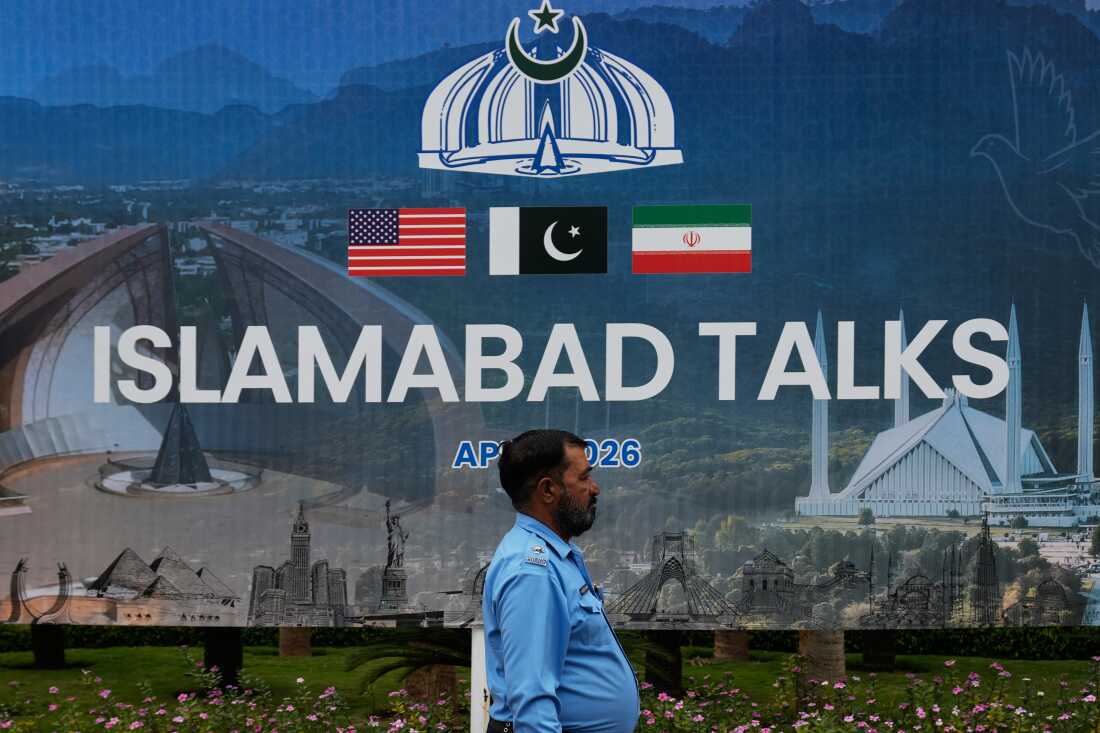
Negotiations between the United States and Iran have officially ended without a deal, marking a significant setback for diplomatic efforts aimed at reducing tensions in the Middle East.
The talks, held at a critical moment, were expected to produce at least a temporary framework for de-escalation. However, deep divisions between the two sides ultimately prevented any meaningful breakthrough.
Key Issues Behind the Failed Negotiations
Several major disagreements contributed to the collapse of the talks. One of the most contentious issues remains Iran’s nuclear program, with the United States pushing for stricter limitations and greater transparency. Iran, on the other hand, has insisted on maintaining its strategic capabilities while demanding the removal of economic sanctions.
Another critical point of conflict involves regional security and influence. Both countries continue to clash over their roles in the Middle East, making it difficult to establish mutual trust. Additionally, the strategic importance of the Strait of Hormuz added further complexity to the negotiations, as control and access to this vital shipping route remain highly sensitive.
Growing Uncertainty in the Middle East
The failure to reach an agreement has increased uncertainty across the region. Without a diplomatic solution, tensions between the United States and Iran are likely to intensify, raising concerns about potential military escalation.
This development comes at a time when stability in the Middle East is already fragile. The absence of a deal removes a key opportunity to ease pressure and rebuild diplomatic engagement between the two nations.
Global Economic and Security Implications
The impact of the failed talks extends beyond regional politics. The Strait of Hormuz plays a crucial role in global energy supply, with a significant portion of the world’s oil passing through it. Any disruption linked to rising tensions could lead to volatility in oil prices and increased costs for international trade.
Markets and governments worldwide are closely monitoring the situation, as prolonged instability could affect economic growth and global supply chains.
Conclusion
The collapse of US–Iran negotiations highlights the ongoing challenges in resolving complex geopolitical conflicts. With no agreement in place, the risk of further escalation remains high, and the path toward stability appears increasingly uncertain.
Watch video below :