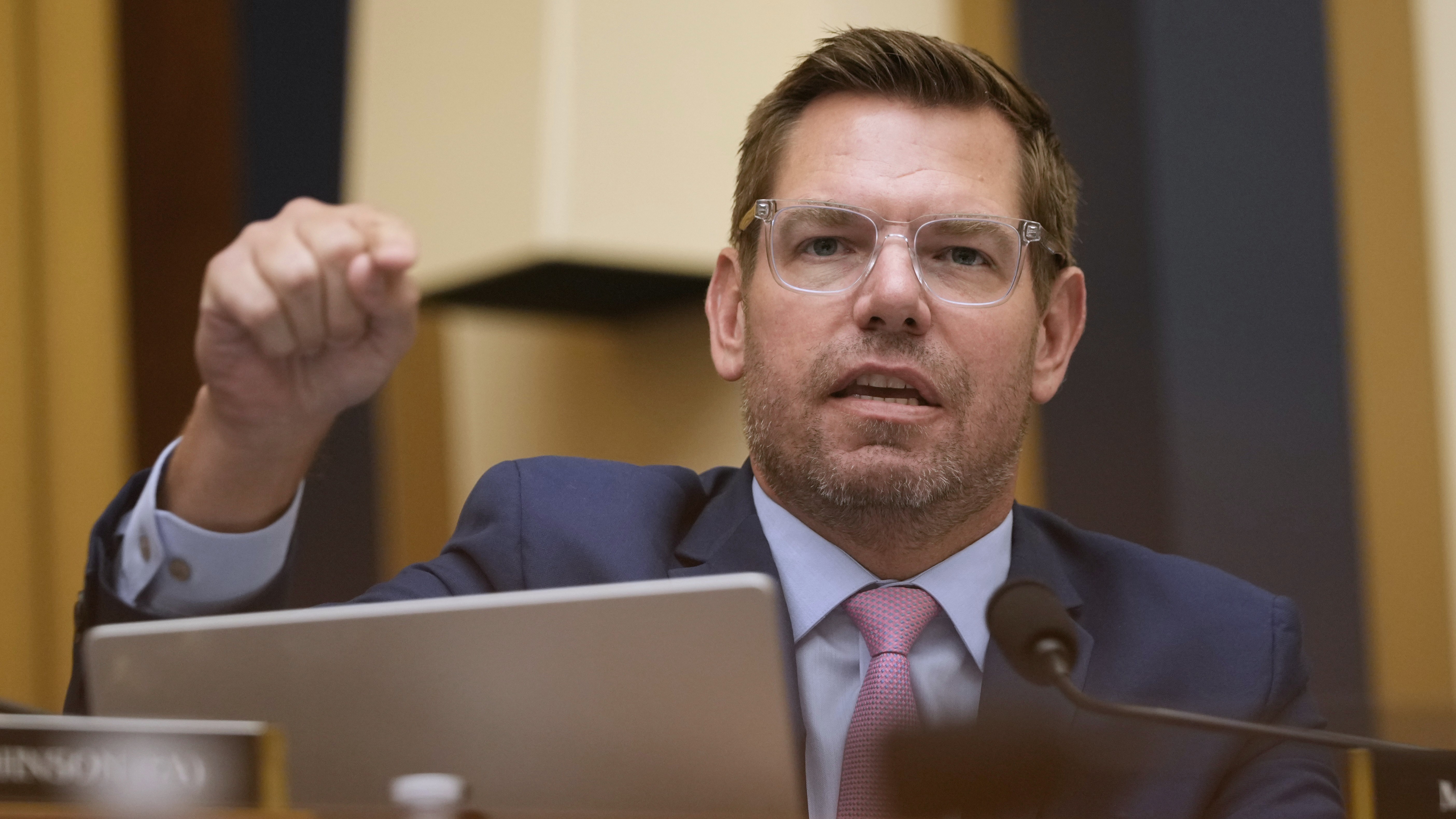
Eric Swalwell, a Democratic U.S. Representative from California and candidate in the 2026 gubernatorial race, is under intense political scrutiny following allegations of sexual assault and misconduct reported by multiple women, including a former staff member. The accusations have sparked widespread debate across political and media circles, leading to growing calls for his resignation and raising concerns about the potential impact on his campaign.
According to several reports, a former staffer has accused Swalwell of engaging in non-consensual sexual conduct during two separate incidents that allegedly occurred several years apart. The accuser claims she was heavily intoxicated during one of the encounters and unable to provide consent. In addition to these allegations, three other women have reportedly come forward, describing incidents of inappropriate communication, including explicit messages and alleged misconduct that has fueled controversy around the congressman’s professional conduct.
Swalwell has firmly denied all accusations, stating that the claims are false and politically motivated. His legal team has indicated that they are reviewing potential actions in response to the allegations, emphasizing that the congressman intends to defend his reputation vigorously. Despite these denials, the controversy has already begun to affect his political standing, with several supporters and political allies distancing themselves from his campaign.
Political analysts suggest the timing of the allegations could significantly influence the trajectory of California’s upcoming gubernatorial race. As the political landscape becomes increasingly competitive, public perception and credibility remain key factors in shaping voter decisions. Allegations involving public officials often attract substantial media attention, particularly when they involve sensitive topics such as sexual misconduct, ethics, and professional responsibility.
Several political figures and advocacy groups have publicly urged Swalwell to step down from the race while the allegations are being reviewed, citing the need to maintain public trust and accountability in leadership. Critics argue that ongoing controversy could distract from policy discussions and campaign priorities, potentially weakening confidence among voters. Others stress the importance of due process, noting that allegations alone should not determine political outcomes without a thorough examination of evidence.
The situation continues to develop as media outlets closely monitor statements from both the accusers and Swalwell’s legal representatives. Observers note that cases involving public officials often evolve over time as additional details emerge. The outcome may ultimately influence not only the congressman’s political future but also broader conversations about workplace ethics, leadership standards, and accountability in public office.
As public interest remains high, analysts expect further updates, statements, and possible investigations that could clarify the facts surrounding the allegations. For now, the controversy surrounding Eric Swalwell underscores the powerful role public perception plays in modern political campaigns, especially when sensitive accusations intersect with high-profile elections.
Watch video below :