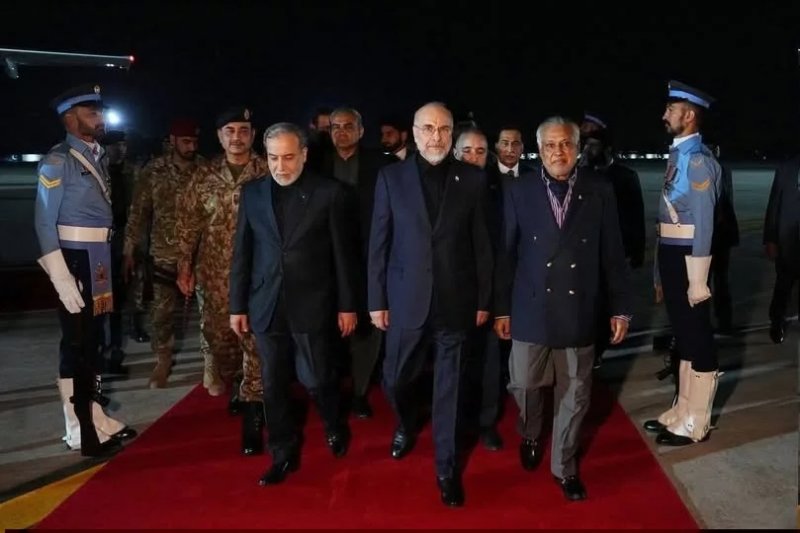
An official delegation from Iran has arrived in Pakistan ahead of crucial peace negotiations expected to shape the next phase of diplomatic relations with the United States. The high-level meeting, scheduled in Islamabad, is widely viewed as a pivotal moment in efforts to stabilize escalating geopolitical tensions and secure a long-term ceasefire agreement.
According to international reports, the Iranian delegation is led by senior political leaders and includes representatives from key sectors such as foreign affairs, security, economic policy, and legal strategy. Officials from Pakistan have confirmed their role as mediator, expressing hope that the negotiations will create a framework for sustainable peace and reduce the risk of further military escalation in the region.
The talks come after weeks of heightened tensions and military activity involving Iran and its regional counterparts. Diplomatic efforts intensified following a temporary ceasefire agreement aimed at halting hostilities and creating conditions for dialogue. However, uncertainty remains as both sides continue to disagree on several core issues, including regional security arrangements and economic conditions tied to sanctions relief.
Iranian officials have emphasized that meaningful negotiations depend on specific preconditions being met before formal discussions can begin. Among these conditions are assurances related to regional ceasefire commitments and the release of frozen financial assets, which Tehran considers essential for rebuilding trust in the diplomatic process. Analysts note that such demands could complicate negotiations, particularly given the complex geopolitical landscape involving multiple regional actors.
Pakistan’s government has positioned itself as a neutral facilitator, working alongside several international partners to encourage dialogue between Washington and Tehran. Diplomatic observers suggest that Islamabad’s involvement reflects its strategic interest in regional stability and economic cooperation, especially as global markets remain sensitive to disruptions affecting energy supply routes and trade corridors.
Experts describe the upcoming negotiations as “high-stakes,” with potential implications not only for regional security but also for global political dynamics. The outcome of the talks could influence energy markets, international alliances, and future diplomatic engagement between Western powers and Middle Eastern nations. While both sides have signaled cautious willingness to engage in dialogue, significant policy differences continue to pose challenges to achieving a comprehensive agreement.
Political analysts emphasize that peace negotiations of this scale often require extended dialogue and incremental progress. Even if immediate breakthroughs are not achieved, the willingness of both parties to participate in direct talks is considered an important step toward reducing tensions and avoiding further escalation.
As the world closely monitors developments in Islamabad, the arrival of Iran’s delegation underscores the urgency of diplomatic solutions in addressing complex international conflicts. The coming days are expected to provide clearer insight into whether both sides can find common ground and move toward a more stable geopolitical environment.
Watch video below :