
Iran has tightened its control over the Strait of Hormuz, one of the world’s most critical maritime chokepoints, intensifying concerns about global energy supply and escalating geopolitical tensions. The move comes as the Middle East conflict continues to evolve, increasing uncertainty for international shipping companies, governments, and global financial markets.
The Strait of Hormuz connects the Persian Gulf with the Gulf of Oman and the Arabian Sea, serving as a vital transit route for approximately 20% of the world’s oil supply. Any disruption in this narrow waterway has immediate implications for global energy prices, trade stability, and economic forecasts.
Recent reports indicate that Iranian authorities are increasing oversight of vessels passing through the strait, with some ships required to obtain prior approval or coordinate transit details. Analysts suggest that tighter monitoring measures could affect shipping schedules, increase insurance costs, and create logistical challenges for energy companies that rely on stable maritime routes.
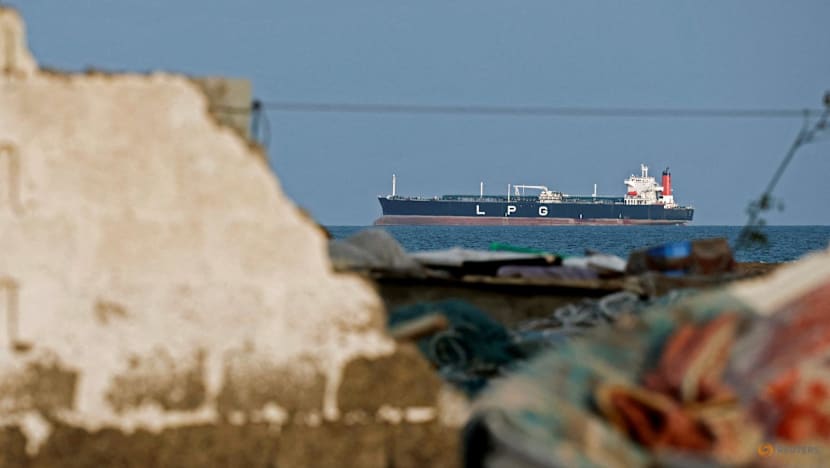
Shipping data also shows that several commercial vessels have altered routes or delayed transit due to heightened risk levels in the region. In some cases, tankers carrying liquefied petroleum gas have proceeded cautiously while others remained anchored outside the strait awaiting further guidance. The uncertainty surrounding safe passage has contributed to supply chain disruptions affecting countries heavily dependent on Middle Eastern energy exports.
Geopolitical observers emphasize that control of the Strait of Hormuz provides strategic leverage during periods of military confrontation. The waterway has long been considered one of the most sensitive global trade corridors due to its narrow geography and proximity to regional military infrastructure. Increased naval patrols, surveillance operations, and security warnings have heightened concerns that further escalation could significantly restrict maritime traffic.
Energy markets have reacted cautiously as traders assess the possibility of prolonged instability. Historically, even minor disruptions in the Strait of Hormuz have triggered price volatility in crude oil and natural gas markets. Experts warn that extended tension could increase transportation costs, influence inflation trends, and impact global economic recovery projections.
International stakeholders continue to monitor developments closely, with diplomatic efforts aimed at reducing the risk of broader regional conflict. Ensuring safe navigation through the strait remains a priority for multiple governments due to its importance to international trade networks and energy security.
As tensions persist, the evolving situation in the Strait of Hormuz highlights the broader economic and geopolitical stakes tied to the Middle East conflict. Analysts suggest that future developments in the region could significantly influence global markets, supply chains, and international relations.
Watch video below :