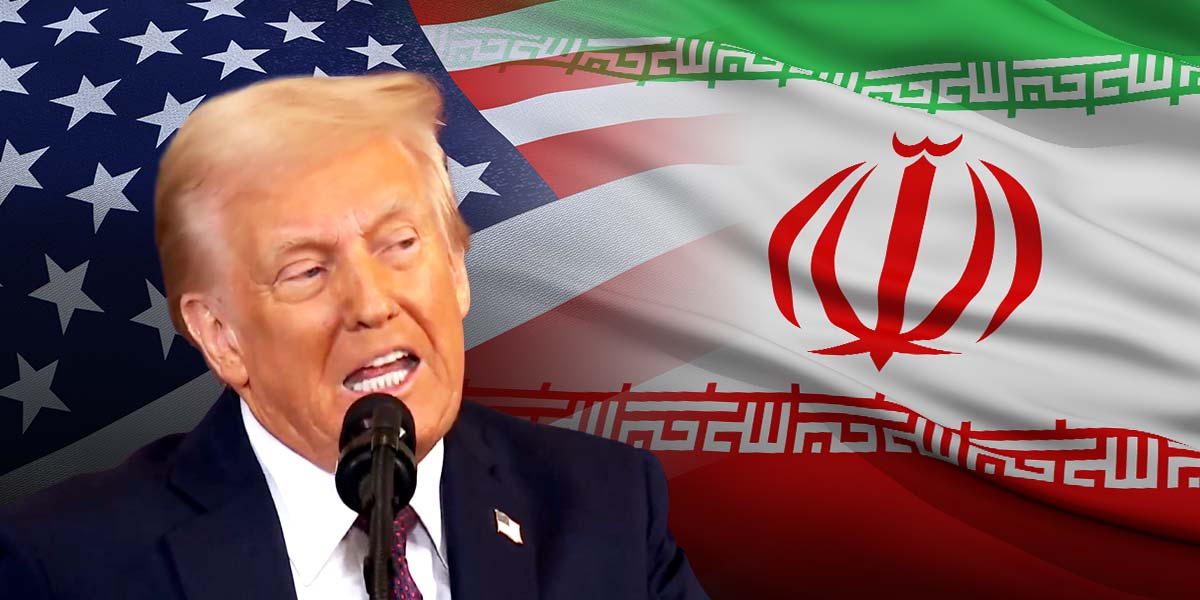
U.S. President Donald Trump is reportedly weighing a range of new actions against Iran, signaling a potential escalation in tensions between Washington and Tehran amid growing concerns over nuclear development, regional stability, and human rights issues.
According to sources familiar with internal discussions, Trump and his advisers are reviewing several strategic options designed to increase pressure on Iran’s leadership. These deliberations come as Iran faces renewed international scrutiny over its nuclear program and its response to domestic unrest, while U.S. allies closely monitor the risk of wider conflict in the Middle East.
One option under consideration involves targeted military measures. Rather than a full-scale operation, advisers have discussed limited strikes aimed at specific Iranian assets or security forces. Supporters of this approach argue that narrowly focused action could serve as a deterrent and demonstrate U.S. resolve without triggering a prolonged war. Critics, however, warn that even limited strikes could provoke retaliation and destabilize the region.
In addition to military scenarios, economic pressure remains a central pillar of Trump’s Iran strategy. The United States has already expanded sanctions targeting senior Iranian officials, government institutions, and financial networks linked to alleged human rights abuses and illicit activities. These sanctions are intended to weaken Iran’s economy, restrict access to international markets, and force Tehran back to the negotiating table.
Trump has also emphasized the strategic role of U.S. military presence in the region. The movement of naval assets and increased readiness of U.S. forces are seen as a signal of strength, designed to deter Iranian aggression and reassure regional partners. At the same time, officials stress that such deployments are meant to support diplomacy rather than replace it.
Despite the confrontational tone, Trump has repeatedly suggested that a negotiated deal with Iran remains possible. He has stated that the United States is open to talks if Iran agrees to meaningful limits on its nuclear activities and addresses broader security concerns. Iranian leaders, however, have responded cautiously, insisting that negotiations cannot take place under threats or sanctions.
International reactions have been mixed. Some U.S. allies have urged restraint, warning that further escalation could disrupt global energy markets and draw neighboring countries into conflict. Others have expressed support for increased pressure on Iran, arguing that a stronger stance is necessary to prevent nuclear proliferation and curb regional influence.
Analysts say the situation remains fluid, with no final decision made on the next steps. Much will depend on Iran’s actions in the coming weeks, including its approach to nuclear inspections, regional activity, and internal dissent. Markets and governments alike are watching closely, aware that even small shifts in policy could have significant global consequences.
As Trump weighs his options, the debate highlights the ongoing challenge of balancing deterrence, diplomacy, and stability in one of the world’s most volatile regions.
Watch video below :