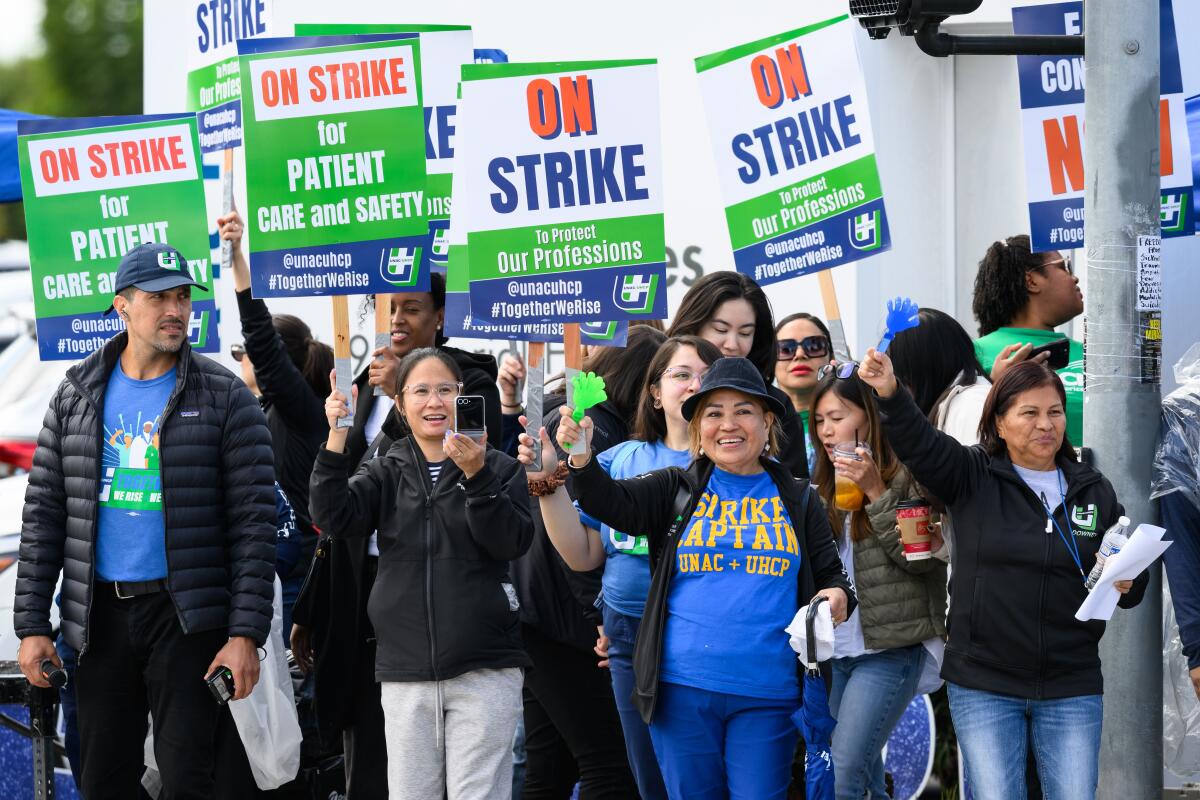
Thousands of nurses employed by Kaiser Permanente have gone on strike, marking one of the largest labor actions in the U.S. healthcare sector this year. The strike highlights growing tensions between frontline healthcare workers and hospital management over staffing shortages, wages, and working conditions that nurses say have reached a breaking point.
Union leaders representing Kaiser Permanente nurses say the strike was triggered after negotiations failed to produce meaningful progress. Nurses argue that chronic understaffing has increased workloads, compromised patient safety, and led to widespread burnout across Kaiser facilities. Despite repeated warnings, they say management has not taken sufficient steps to address the crisis.
“Kaiser nurses are exhausted, understaffed, and stretched beyond safe limits,” union representatives said in a statement. “This strike is about protecting patients as much as it is about protecting healthcare workers.”
The strike affects multiple Kaiser Permanente hospitals and clinics across several states, with thousands of nurses participating in walkouts and picket lines. While Kaiser has activated contingency plans, including bringing in temporary staff, unions argue that replacement workers cannot fully offset the experience and institutional knowledge of striking nurses.
Staffing levels remain the central issue. Nurses report being assigned more patients than recommended by safety guidelines, particularly in emergency departments, intensive care units, and medical-surgical floors. They warn that excessive patient loads increase the risk of medical errors, delayed care, and poor health outcomes.
Pay and benefits are also key points of contention. While Kaiser Permanente is one of the largest and most profitable nonprofit healthcare providers in the United States, nurses argue that wages have not kept pace with inflation or the rising cost of living. Many say they are struggling to remain in the profession as financial pressures mount.
Kaiser Permanente has said it respects nurses’ right to strike but maintains that it offers competitive wages and benefits. In statements, the healthcare giant emphasized its commitment to patient care and said it continues to negotiate in good faith. Kaiser also noted that it has invested heavily in staffing and recruitment efforts in recent years.
Healthcare labor disputes have become increasingly common nationwide as hospitals grapple with workforce shortages following the COVID-19 pandemic. Nurses across the country report similar challenges, including mandatory overtime, mental health strain, and high turnover rates. Labor experts say the Kaiser strike reflects broader systemic problems in the U.S. healthcare system.
Public reaction to the strike has been mixed. Many patients and advocacy groups have expressed support for the nurses, viewing their demands as necessary for improving patient safety. Others worry about potential disruptions to care, though nurses emphasize that emergency services remain available.
Negotiations between Kaiser Permanente and union leaders are expected to continue as pressure mounts from both sides. Lawmakers and labor officials are closely watching the dispute, which could influence future healthcare labor contracts nationwide.
As the strike continues, nurses say they are prepared to stay on the picket lines until meaningful changes are made. The outcome could set an important precedent for how large healthcare systems address staffing shortages, worker burnout, and patient safety in the years ahead.
Watch video below :