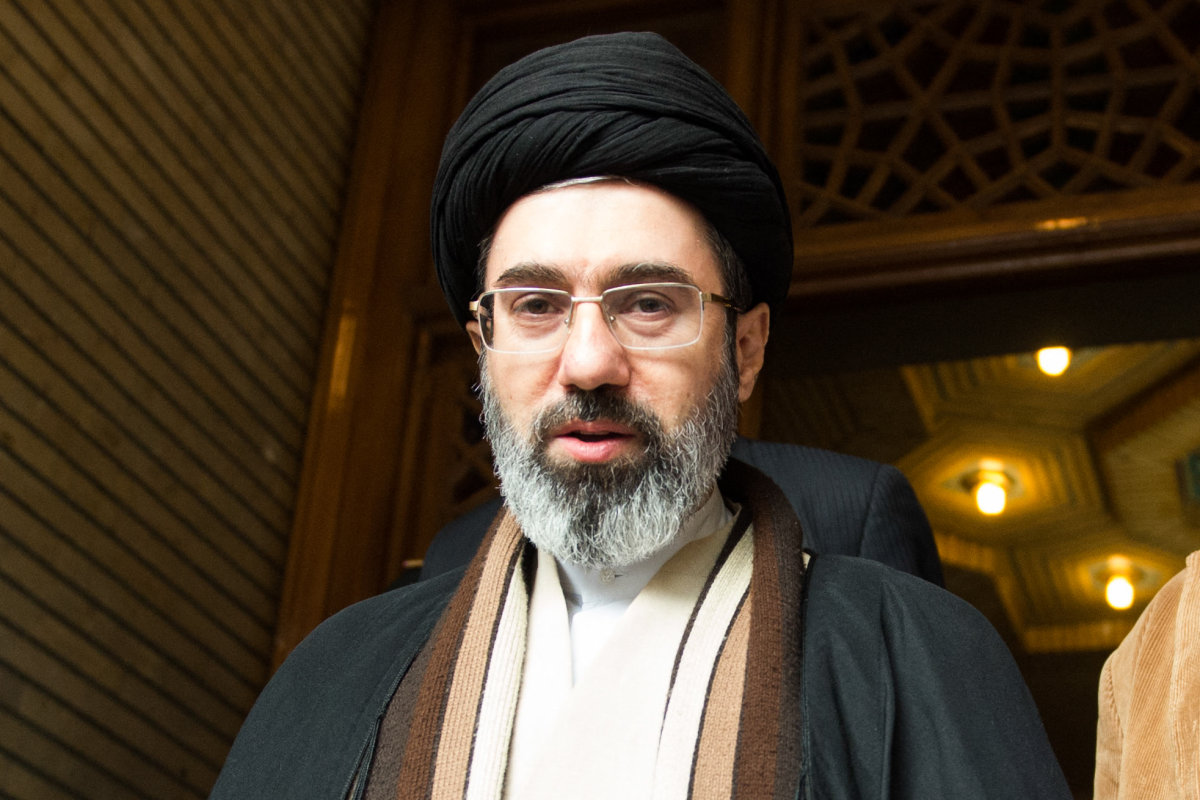
The appointment of Mojtaba Khamenei as the new Supreme Leader of Iran marks one of the most significant political shifts in the Middle East in decades. As the son of longtime Iranian leader Ali Khamenei, Mojtaba’s rise to power has drawn intense international attention, raising questions about the future direction of Iran’s political system and its role in regional conflicts.
A Rare Father-to-Son Succession
Mojtaba Khamenei’s selection as Supreme Leader represents the first time leadership in the Islamic Republic has effectively passed from father to son. The decision was made by the powerful Assembly of Experts, the clerical body responsible for choosing Iran’s highest authority.
This succession has sparked debate among political observers. When the Islamic Republic was established after the Iranian Revolution in 1979, the new system was meant to replace the hereditary rule of the monarchy. Critics argue that Mojtaba’s appointment could resemble the kind of dynastic leadership the revolution originally opposed.
A Powerful Figure Behind the Scenes
Unlike many prominent political leaders, Mojtaba Khamenei has spent most of his career away from the public spotlight. For years, he operated quietly within Iran’s political and religious establishment, rarely appearing in public or holding elected office.
Despite this low profile, analysts say he wielded considerable influence within the inner circle of power. He was often described as a key gatekeeper to his father, managing political connections and playing a role in strategic decision-making inside Iran’s leadership structure.
Strong Ties to Iran’s Security Establishment
One of the factors believed to have strengthened Mojtaba’s position is his close relationship with the Islamic Revolutionary Guard Corps (IRGC), one of the most powerful military and political institutions in Iran. He is also said to have ties with the Basij militia, a paramilitary force that plays a major role in domestic security and political enforcement.
Support from these influential security networks likely played a critical role in securing backing for his leadership during the transition period.
Controversies and International Sanctions
Mojtaba Khamenei has not been free from controversy. Some opposition figures and international observers have linked him to the government’s response during the disputed 2009 presidential election in Iran, when widespread protests erupted across the country.
Because of his alleged role in supporting Iran’s security apparatus and political repression, Mojtaba has faced sanctions from Western governments, including the United States. These sanctions have further intensified global scrutiny of his leadership.
What His Leadership Means for Iran
As Supreme Leader, Mojtaba Khamenei now holds the most powerful position in Iran’s political system. The role gives him authority over the military, judiciary, state media, and key elements of national policy.
His leadership begins at a time of major geopolitical tension involving Iran, Israel, and Western powers. Observers around the world are closely watching how he will shape Iran’s domestic policies and its foreign strategy in the years ahead.
For many analysts, Mojtaba Khamenei’s rise signals both continuity and uncertainty. While he inherits the ideological legacy of his father, the challenges he faces — including economic pressure, regional conflict, and domestic unrest — may ultimately define the next chapter of Iran’s political history.
Watch video below :