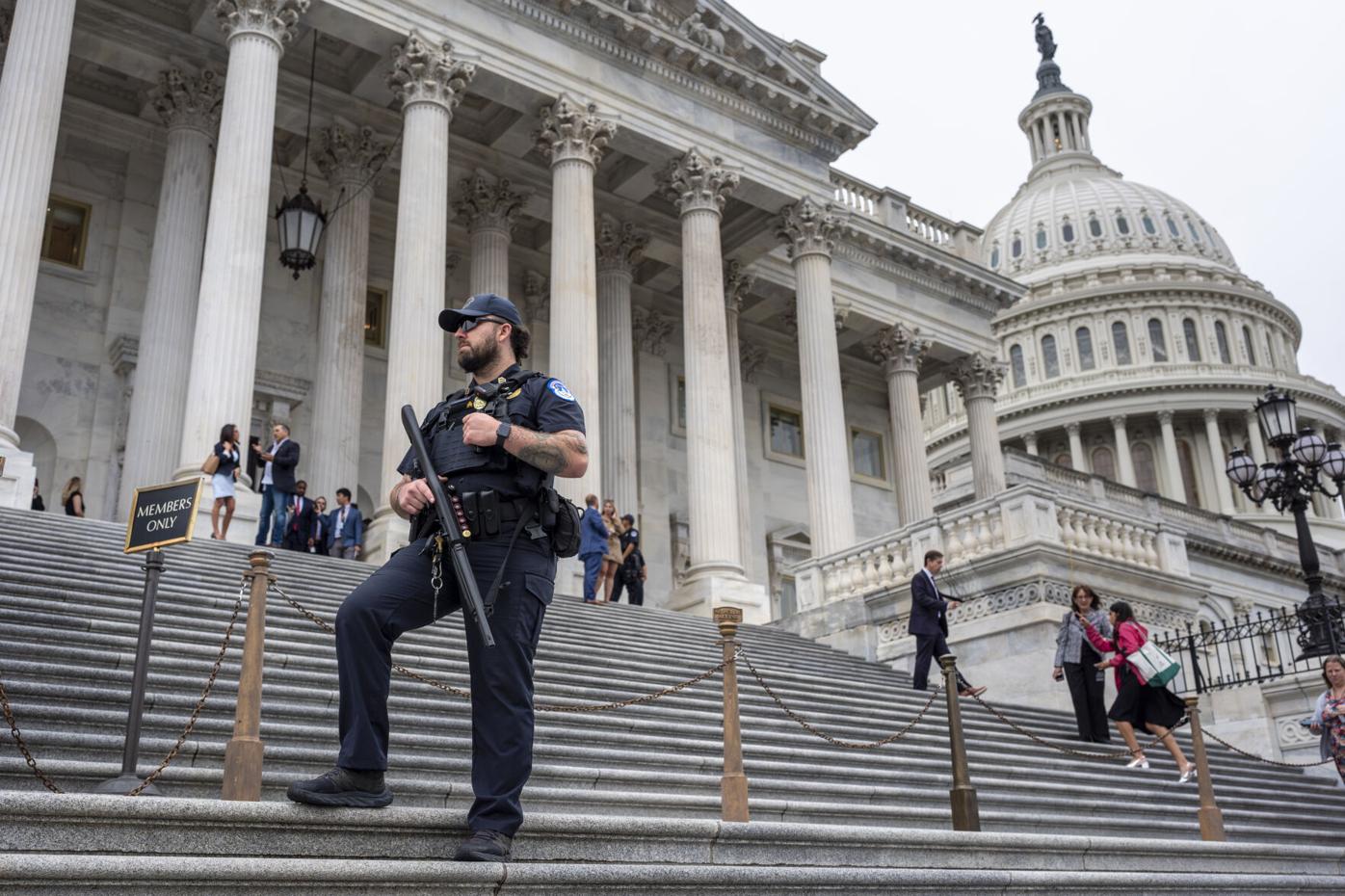
With the clock ticking toward a potential government shutdown, the White House Office of Management and Budget (OMB) has instructed federal agencies to prepare for the unthinkable: mass permanent layoffs. The directive, revealed in an internal memo, signals the administration’s intent to go beyond traditional shutdown furloughs and pursue deeper cuts through formal “reduction in force” (RIF) procedures.
A Break from Past Shutdown Practices
Historically, shutdowns have led to temporary furloughs of “nonessential” federal workers. Once Congress restores funding, those employees typically return to their posts. This time, however, the OMB memo goes further—calling on agencies to identify programs that could be eliminated entirely and to plan for job terminations, not just temporary suspensions.
According to the guidance, agencies must also revisit their plans after a shutdown to ensure only the “minimal number of employees” are retained to carry out statutory functions. The message is clear: the White House wants agencies ready to downsize permanently if funding disputes persist.
Political Firestorm
The move has triggered immediate backlash from Democrats, who accuse the administration of using federal employees as bargaining chips in a broader budget fight. House Minority Leader Hakeem Jeffries condemned the order, saying: “We will not be intimidated by threats of mass firings.” Senate Leader Chuck Schumer echoed that sentiment, warning that any dismissals could face legal challenges or be overturned in the future.
Republican allies of the administration argue the measure is necessary to rein in bloated government payrolls and realign staffing with “America First” priorities. They contend that federal agencies have grown inefficient and that a shutdown provides an opportunity to reset spending and personnel.
Legal and Practical Hurdles
Implementing RIF plans is not straightforward. Federal employment law provides protections that make it difficult to eliminate positions quickly, especially during politically charged budget standoffs. Any layoffs would require formal approval from OMB and could spark a wave of lawsuits from unions and affected employees.
Some legal experts argue the administration’s authority to enforce permanent layoffs during a shutdown is uncertain at best. Courts have historically limited the scope of executive power in similar disputes, and challenges are almost guaranteed if agencies move ahead with reductions.
What Agencies Must Do
For now, agencies across the government are scrambling to finalize and submit their contingency plans to OMB. These blueprints are expected to outline:
-
Which programs could be defunded or dismantled.
-
The number of employees subject to potential termination.
-
Post-shutdown staffing strategies to comply with statutory requirements.
If no budget deal is reached by October 1, those plans could become operational—leading to widespread layoffs across nonessential federal programs and further straining public services.
A Defining Moment
The directive marks one of the toughest approaches to shutdown planning in modern U.S. history. Beyond the immediate risks to federal workers, it underscores a broader ideological battle over the size and role of government. Whether these RIF plans are ever enacted, the political and legal fallout from this decision will likely shape debates on federal workforce policy for years to come.
Watch video below :
:max_bytes(150000):strip_icc():focal(749x0:751x2)/Karoline-Leavitt-Expecting-Baby-No-2-122625-3ee9c9c5c0004741808a746cca98b9b2.jpg?w=350&resize=350,220&ssl=1 "White House Press Secretary Karoline Leavitt Announces Pregnancy, Expecting Baby Girl")





:max_bytes(150000):strip_icc():focal(749x0:751x2)/Karoline-Leavitt-Expecting-Baby-No-2-122625-3ee9c9c5c0004741808a746cca98b9b2.jpg?w=180&resize=180,130&ssl=1 "White House Press Secretary Karoline Leavitt Announces Pregnancy, Expecting Baby Girl")