What New AI Regulations Could Mean for Arizona
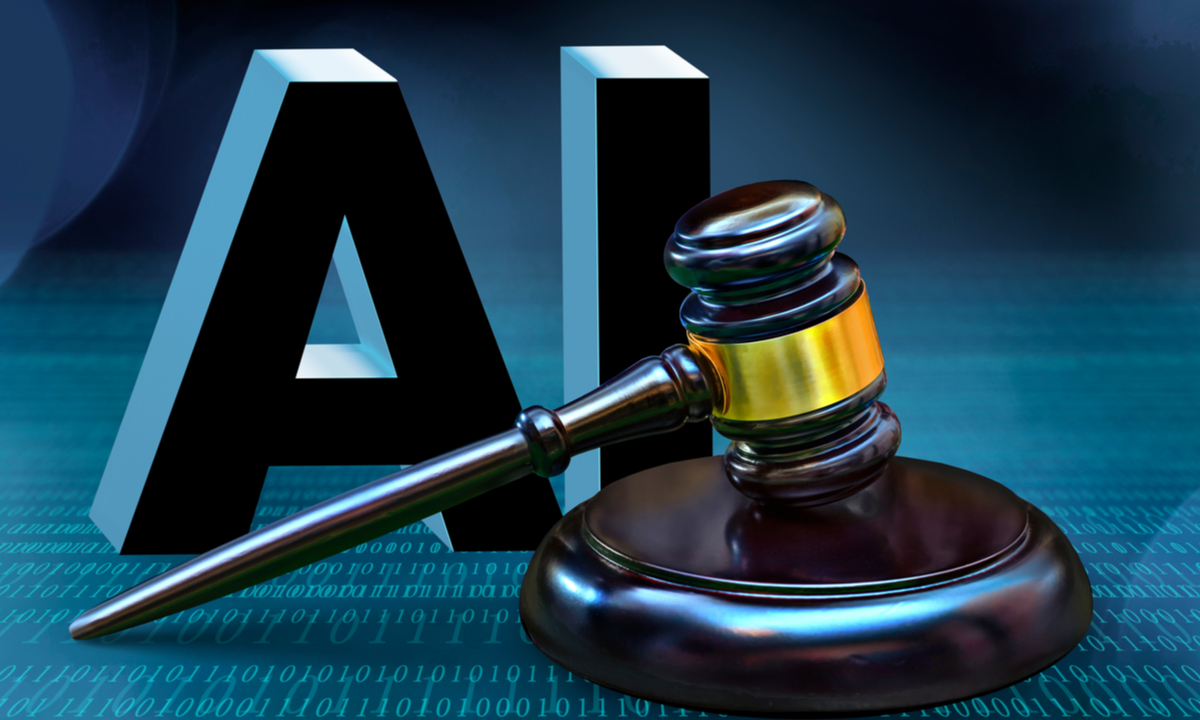
As artificial intelligence continues to expand into daily life, new AI regulations under consideration at both the federal and state levels could bring significant changes for Arizona’s economy, workforce, and public services. From tech startups to healthcare providers and government agencies, the impact of AI rules is expected to be wide-ranging.
Lawmakers are increasingly focused on creating guardrails for AI development and use, aiming to balance innovation with public safety, privacy, and transparency. For Arizona, a state with a growing technology sector and major investments in semiconductors, data centers, and automation, these regulations could shape how businesses operate and compete.
Impact on Arizona Businesses
New AI regulations may require companies to disclose how AI systems are used, especially in areas like hiring, lending, facial recognition, and consumer data analysis. Arizona businesses that rely on AI-driven tools could face new compliance costs, including audits, reporting requirements, and risk assessments.
Tech startups may need to prove their AI systems are non-discriminatory, secure, and explainable, while larger corporations could be subject to stricter oversight. Supporters say these rules will build consumer trust, while critics worry they could slow innovation and make it harder for small Arizona firms to scale.
Jobs and the Workforce
AI regulations could also influence Arizona’s workforce. Rules designed to prevent algorithmic bias may reshape AI-assisted hiring and workplace monitoring, protecting workers from unfair practices. At the same time, companies may invest more in AI governance roles, compliance officers, and ethical AI specialists, creating new job opportunities.
However, some business groups warn that overly strict regulations could discourage AI adoption, potentially limiting productivity gains and economic growth.
Healthcare, Education, and Public Safety
In healthcare, AI regulations may strengthen safeguards around patient data, medical AI tools, and automated diagnostics, impacting hospitals and clinics across Arizona. Schools and universities may also face new standards governing the use of AI in grading, admissions, and student monitoring.
For law enforcement and public safety agencies, restrictions on facial recognition and predictive policing tools could change how technology is deployed, increasing transparency but limiting certain capabilities.
State vs. Federal Rules
Arizona lawmakers may need to decide whether to align with federal AI regulations or create state-specific laws. A patchwork of rules could complicate compliance for businesses operating across state lines, while uniform standards could provide clarity but reduce local flexibility.
Looking Ahead
Supporters of AI regulation argue the changes will protect residents’ rights, prevent misuse, and ensure responsible innovation. Opponents caution that excessive regulation could push investment and talent to other states.
For Arizona, the challenge will be finding the right balance — encouraging innovation while protecting consumers and workers — as artificial intelligence becomes an increasingly powerful force in the state’s future.
Watch video below :