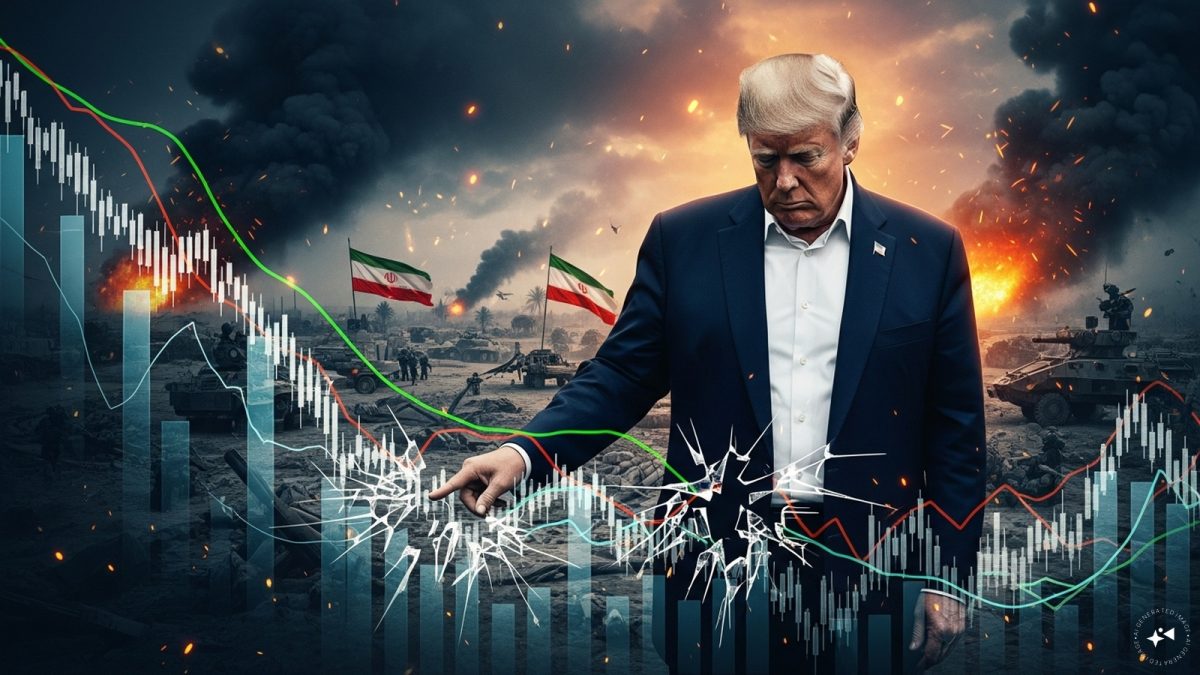
U.S. President Donald Trump has announced a new plan to reduce gasoline prices as the ongoing conflict with Iran continues to shake global energy markets.
The announcement comes as rising tensions in the Middle East have caused significant disruptions to oil supplies, pushing fuel prices higher in the United States and around the world. Energy analysts say the conflict has already affected shipping routes and oil production across the region, increasing concerns about long-term fuel costs.
To stabilize the market, Trump said his administration will release oil from the U.S. Strategic Petroleum Reserve, a massive emergency stockpile designed to protect the country during supply crises.
The Strategic Petroleum Reserve (SPR) contains hundreds of millions of barrels of crude oil stored in underground facilities along the U.S. Gulf Coast. According to officials, releasing part of this reserve could increase supply in the short term and help ease pressure on gasoline prices.
During remarks to local media while visiting the Midwest, Trump said the government plans to reduce the reserve temporarily to bring fuel costs down, while later replenishing the stockpile.
“We’ll reduce it a little bit, and that brings the prices down,” Trump said, adding that the reserve can be refilled after markets stabilize.
Oil Prices Surge Amid Middle East Conflict
Global energy markets have reacted strongly to the conflict. Oil prices spiked after military operations involving Iran threatened shipping routes through the Strait of Hormuz, one of the world’s most important oil transport corridors.
The strait carries roughly 20 million barrels of oil per day, meaning any disruption can quickly affect global fuel prices. Shipping delays and security concerns in the region have already slowed tanker traffic, creating uncertainty for energy markets.
In the United States, gasoline prices have climbed significantly in recent weeks as traders reacted to the supply risk. Analysts warn that prolonged instability in the region could keep prices elevated unless alternative supply sources are introduced.
Additional Measures to Stabilize Energy Markets
In addition to tapping the Strategic Petroleum Reserve, the Trump administration has also suggested other measures to stabilize energy markets. These include loosening certain sanctions on oil-producing countries to increase global supply and help reduce crude oil prices.
Experts say such policies could encourage more oil production worldwide and reduce the pressure caused by disrupted shipments in the Persian Gulf.
However, some economists caution that these measures may only provide temporary relief if geopolitical tensions continue to threaten energy infrastructure and shipping lanes.
Energy Security Remains a Global Concern
The situation highlights how geopolitical conflicts can rapidly affect global energy markets. Because oil is traded worldwide, disruptions in one region—especially in the Middle East—can quickly influence gasoline prices thousands of miles away.
For now, the Trump administration says its strategy is focused on protecting energy supply, stabilizing oil markets, and preventing long-term price spikes for American consumers.
Energy analysts will continue monitoring the conflict and the effectiveness of the Strategic Petroleum Reserve release in the coming weeks, as the world watches whether the war with Iran further escalates or begins to ease.
Watch video below :