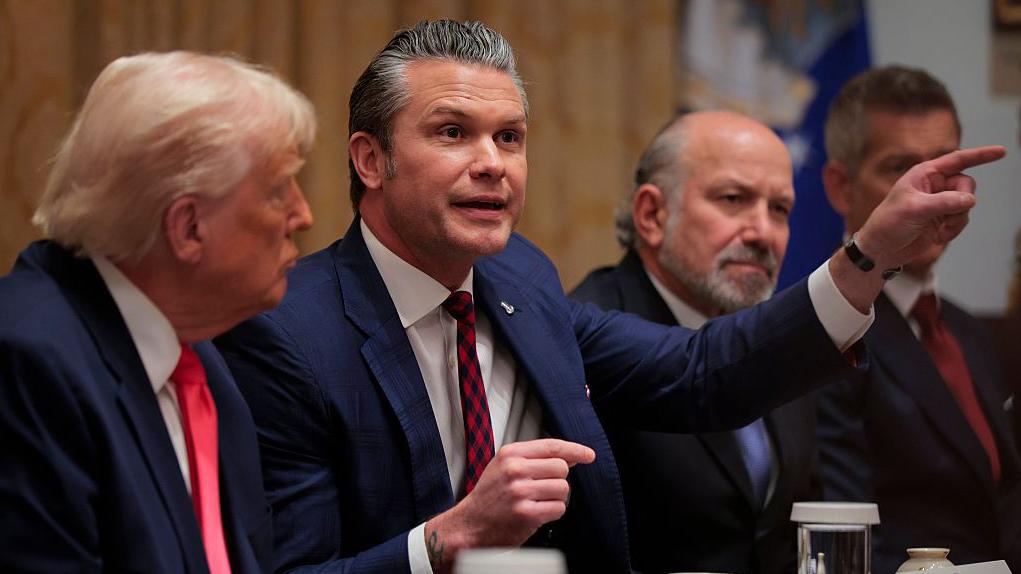
Venezuelan politics were thrust back into the global spotlight this week after senior government officials publicly defended a series of controversial boat attacks during a high-level cabinet meeting. The incident, which has stirred both domestic and international debate, centers on military operations targeting vessels allegedly linked to smuggling networks, illegal fishing rings, and foreign-backed criminal groups. As tensions rise across the Caribbean coastline, the government insists these maritime strikes are not only justified but essential to safeguarding national security.
According to sources familiar with the closed-door meeting, top ministers argued that the recent Venezuelan boat attacks were launched in direct response to escalating threats in territorial waters. Officials claimed that unauthorized vessels have increasingly used remote areas to transport contraband, fuel human trafficking, and infiltrate protected maritime zones. By presenting detailed intelligence reports, ministers emphasized that the operations were “measured, necessary, and strategically timed” to disrupt illegal activity before it could expand.
During the heated discussion, the Minister of Defense reportedly outlined the urgency behind the military’s actions. He stated that Venezuela faces “an unprecedented level of maritime intrusion,” warning that foreign actors may be playing a role in destabilizing regional waters. The cabinet was told that failure to respond aggressively would leave coastal communities vulnerable and undermine the country’s long-term security framework.
Government officials also highlighted the successful outcomes of the recent missions, claiming that multiple criminal routes were dismantled and several high-risk vessels were intercepted. These assertions were supported by internal reports detailing the seizure of illegal goods, advanced navigation equipment, and communication devices allegedly used by smuggling organizations. The administration framed these results as evidence that robust defensive actions are crucial to maintaining sovereignty.
Despite the firm defense within the cabinet, the Venezuelan boat attacks have faced sharp criticism from international observers and human rights groups. Critics argue that the operations lack transparency and could jeopardize civilian safety, especially in areas where fishermen and commercial transporters navigate daily. Some organizations have called for an independent review to assess whether the strikes followed international maritime law and proportional-use-of-force standards.
In response, Venezuelan officials insisted that the military acted within legal boundaries and that safeguards were in place to minimize unintended harm. They also accused foreign media of exaggerating the situation to portray the government in a negative light. The administration reaffirmed its commitment to protecting lawful maritime activity while cracking down on what it describes as “organized threats backed by external interests.”
As Venezuela continues to navigate internal pressures and strained geopolitical relations, the controversy surrounding the boat attacks reflects broader regional challenges. With smuggling routes evolving, external actors asserting influence, and security concerns rising, the government’s maritime strategy is likely to remain a dominant topic in national debate. For now, the cabinet’s strong defense signals that officials intend to stand by their actions, even as scrutiny intensifies across the international stage.
Watch video below :
:max_bytes(150000):strip_icc():focal(749x0:751x2)/Karoline-Leavitt-Expecting-Baby-No-2-122625-3ee9c9c5c0004741808a746cca98b9b2.jpg?w=350&resize=350,220&ssl=1 "White House Press Secretary Karoline Leavitt Announces Pregnancy, Expecting Baby Girl")




:max_bytes(150000):strip_icc():focal(749x0:751x2)/Karoline-Leavitt-Expecting-Baby-No-2-122625-3ee9c9c5c0004741808a746cca98b9b2.jpg?w=180&resize=180,130&ssl=1 "White House Press Secretary Karoline Leavitt Announces Pregnancy, Expecting Baby Girl")