

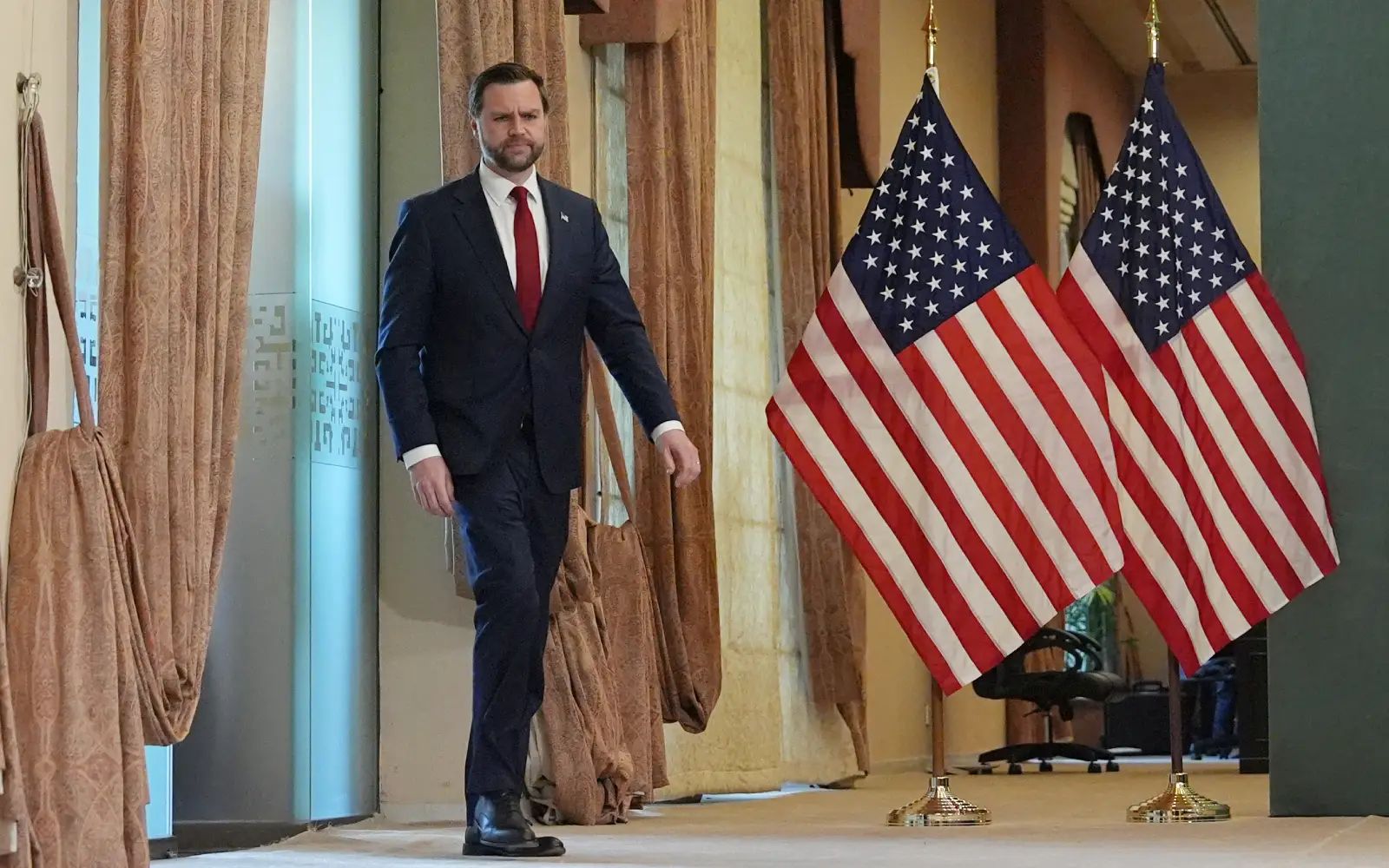
U.S. Vice President JD Vance has confirmed that Washington is leaving negotiations with Iran after تقديم what he described as its “final and best offer,” marking a critical turning point in high-stakes diplomatic efforts.
The announcement came after more than 21 hours of intensive talks in Islamabad, which ultimately ended without a breakthrough. Despite what officials described as “substantive discussions,” both sides failed to resolve deep disagreements—particularly over Iran’s nuclear program and long-term security commitments.
Speaking to reporters, Vance made it clear that the United States had drawn a firm line.
“We leave here with a very simple proposal… our final and best offer. We’ll see if the Iranians accept it.”
🔍 What the “final offer” means
The phrase “final and best offer” signals that the U.S. has effectively ended further concessions in negotiations. It reflects a common diplomatic strategy where one side presents a take-it-or-leave-it framework, shifting pressure onto the opposing party.
At the center of the proposal is a core U.S. demand:
- Iran must provide a clear, long-term commitment not to develop nuclear weapons
- It must also avoid pursuing capabilities that could rapidly enable such weapons in the future
According to Vance, Washington has not yet seen sufficient assurance on this issue, which remains the primary obstacle to any agreement.
⚠️ Why talks failed
The مذاکرات collapsed due to fundamentally opposing positions:
- The U.S. insists on strict nuclear restrictions and verifiable commitments
- Iran has resisted what it views as excessive or “unreasonable” demands
Reports indicate disagreements also extended to broader issues such as regional security and control over key strategic areas like the Strait of Hormuz.
🌍 Global implications
The failure to reach an agreement raises concerns about:
- The stability of a fragile ceasefire
- Potential escalation in the Middle East
- Disruptions to global energy markets
Analysts warn that without progress, tensions could intensify quickly, especially as military activities in the region continue alongside stalled diplomacy.
🧠 Bottom line
Vance’s statement sends a clear message:
The United States has made its last move at the negotiating table—and now the decision rests with Iran.
Whether Tehran accepts or rejects this “final and best offer” could determine the next phase of the conflict, from renewed negotiations to possible escalation.
Watch video below :