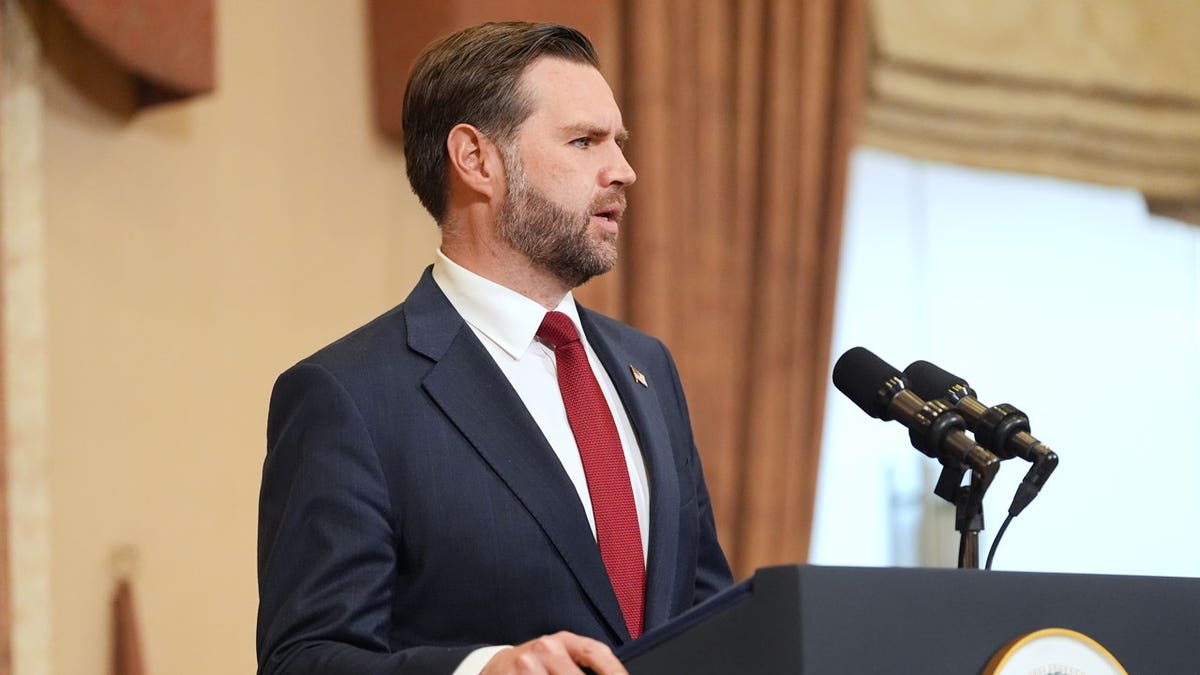
U.S. Vice President JD Vance has confirmed that Washington presented Iran with what he described as a “very simple proposal” during high-stakes negotiations, signaling a निर्णi ng moment in ongoing geopolitical tensions. The statement came after an intense 21-hour round of talks that ultimately ended without an agreement, raising fresh concerns about regional stability and nuclear diplomacy.
According to Vance, the proposal represented the United States’ “final and best offer,” designed to clearly outline expectations while leaving little room for further negotiation. Despite the phrasing, the term “simple” does not imply leniency. Instead, it reflects a strategic move by the U.S. to consolidate its demands into a clear, non-negotiable framework.
At the core of the proposal were key conditions related to Iran’s nuclear program. Washington reportedly demanded firm guarantees that Iran would not pursue nuclear weapons development. This included restrictions on uranium enrichment levels, enhanced international monitoring, and compliance with global non-proliferation standards. In exchange, the U.S. signaled potential relief measures, including the easing of certain economic sanctions and the possibility of de-escalation in broader regional conflicts.
However, despite what U.S. officials described as flexibility during the negotiation process, Iran declined to accept the proposal. The failure to reach consensus highlights deep divisions between the two sides, particularly over sovereignty concerns and the scope of nuclear limitations.
Vance emphasized that the U.S. had made significant efforts to reach a compromise, but ultimately drew a clear line. His statement suggests that Washington is now shifting responsibility onto Tehran, reinforcing the narrative that the next move lies with Iran. This diplomatic posture is commonly used in high-level negotiations to signal both resolve and readiness for alternative outcomes.
The breakdown of talks has significant implications for global markets and security dynamics. The absence of an agreement increases uncertainty around energy supply routes, especially in strategically critical regions. It also raises the risk of further escalation, as diplomatic channels appear increasingly strained.
From an international relations perspective, the phrase “very simple proposal” carries substantial weight. It reflects a broader U.S. strategy of reducing ambiguity in negotiations while maintaining pressure on key issues such as nuclear non-proliferation and regional stability. At the same time, it underscores the challenges of reaching consensus in a complex geopolitical environment where trust deficits and competing interests remain deeply entrenched.
As tensions persist, analysts suggest that future negotiations—if they occur—will likely require new frameworks or third-party mediation. For now, the outcome of these talks reinforces a familiar reality: despite prolonged dialogue, the path to a comprehensive agreement between the U.S. and Iran remains uncertain.
In summary, Vance’s remarks highlight a critical turning point. The United States has made its position clear, presenting what it considers a final offer. With Iran rejecting the proposal, the focus now shifts to what comes next in one of the world’s most closely watched diplomatic standoffs.
Watch video below :