

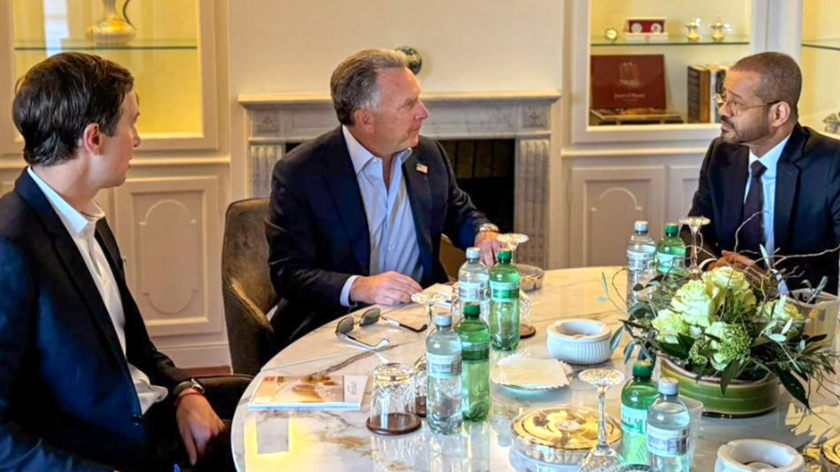
The United States and Iran have concluded another round of indirect negotiations focused on Tehran’s nuclear program and potential sanctions relief. The talks, held in Geneva, were mediated by Oman, which continues to serve as a diplomatic bridge between the two long-time adversaries.
Unlike traditional face-to-face diplomacy, the discussions were conducted indirectly, with delegations from Washington and Tehran seated in separate rooms while Omani officials relayed proposals and counterproposals. This format has become a practical mechanism for maintaining dialogue amid decades of strained relations.
Focus on Nuclear Limits and Sanctions Relief
At the center of the negotiations is Iran’s uranium enrichment program and the scope of economic sanctions imposed by the U.S. The American side is seeking stricter limitations on enrichment levels, enhanced monitoring, and expanded verification measures. Iran, meanwhile, insists on its right to peaceful nuclear development and demands meaningful sanctions relief as part of any agreement.
Diplomatic sources describe the latest round as “serious and detailed,” though no final agreement has been reached. Technical experts are expected to continue discussions in follow-up meetings, potentially addressing specifics such as inspection frameworks, compliance timelines, and phased sanctions easing.
Mediation and International Oversight
Oman’s role has been pivotal in facilitating communication and preventing talks from collapsing during moments of tension. The indirect format allows both sides to test compromises without the political optics of direct engagement.
The International Atomic Energy Agency is also closely involved, particularly regarding verification protocols and monitoring standards. The agency’s assessments are likely to be central to any eventual agreement, especially on questions of enrichment transparency and nuclear safeguards.
Regional and Global Implications
These negotiations unfold against a backdrop of heightened regional instability and broader geopolitical competition. Analysts note that progress in the talks could reduce the risk of escalation in the Middle East and restore a degree of predictability to nuclear diplomacy.
For Washington, preventing further nuclear advancement by Iran remains a top foreign policy priority. For Tehran, relief from economic sanctions is essential to stabilizing its domestic economy and improving international trade prospects.
Despite persistent mistrust, the continuation of dialogue signals that both governments still see diplomatic engagement as preferable to confrontation. The coming weeks — particularly any technical follow-up sessions — will be critical in determining whether incremental progress can translate into a more comprehensive framework.
While significant differences remain, this latest round of indirect U.S.–Iran negotiations demonstrates that channels of communication remain open — a crucial factor in one of the world’s most sensitive and closely watched diplomatic standoffs.
Watch video below :


