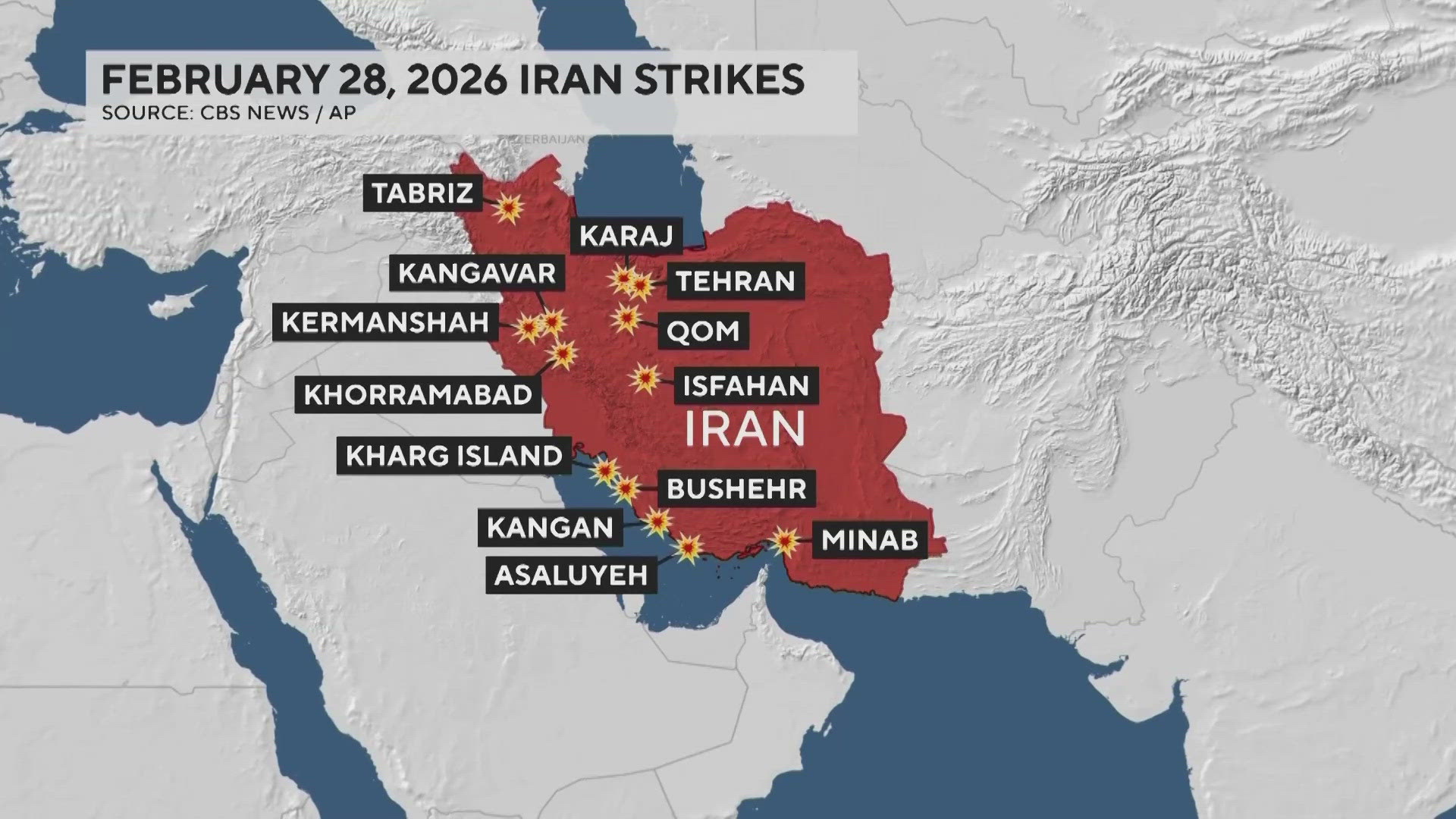
In a significant escalation of Middle East tensions, the United States and Israel have launched a coordinated and extensive military campaign against Iran that aims to degrade Iran’s military capabilities and halt its progress toward nuclear weapons development. The operation began on February 28, 2026, with a series of pre-emptive air and missile strikes targeting Iranian military infrastructure, strategic facilities, and leadership positions, including sites linked to the country’s nuclear program and ballistic missile systems.
The offensive, undertaken under names such as Operation Epic Fury and Operation Lion’s Roar, represents the most significant direct military action against Iran in decades. It involved strikes on hundreds of targets across cities including Tehran, Isfahan, and Natanz, with aircraft, cruise missiles, and coordinated assaults designed to cripple Iran’s defensive infrastructure and nuclear-related capabilities.
U.S. and Israeli leaders justified the attacks as a necessary response to what they described as persistent threats posed by Iran’s nuclear and missile programs. According to the U.S. government, intelligence assessments suggested that Tehran’s uranium enrichment levels were approaching thresholds that could enable weaponization, prompting concerns among Western capitals about a potential Iranian nuclear arsenal. Diplomatic efforts to negotiate limits on Iran’s program had stalled, and warnings about possible military action grew more urgent in the weeks leading up to the offensive.
Israeli officials said that the objective was to eliminate “existential threats” — striking air defense systems, ballistic missile launchers, command and control facilities, and other military assets that could be used both in conventional warfare and to support nuclear development. The operation was coordinated with Washington, which also launched missile strikes and contributed reconnaissance, logistical support, and long-range firepower as part of its role in the campaign.
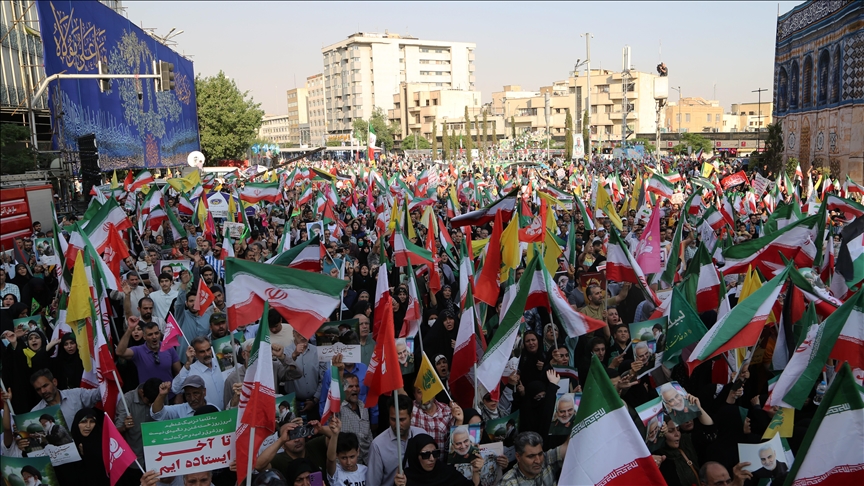
Iran’s leadership condemned the attacks as unjustified aggression and began launching retaliatory missile and drone strikes against U.S. and Israeli targets across the region shortly after the initial assault. The Iranian response included launches toward bases hosting U.S. forces and allied positions in Gulf states, further escalating the situation.
The offensive has triggered widespread international reactions. Some countries and world leaders have condemned the action as a violation of Iranian sovereignty and called for restraint, while others have expressed support for efforts to curb nuclear proliferation and neutralize perceived threats. The United Nations Security Council convened an emergency meeting to address the crisis, emphasizing the risks of further escalation and urging all parties to exercise restraint.
Civilian areas and critical infrastructure were affected amid the strikes and the ensuing retaliation, raising humanitarian concerns and intensifying debates over the legal and moral justification for such military measures. Critics argue that the attacks endanger civilians and destabilize the region, while supporters maintain that decisive action was necessary to prevent Iran from obtaining nuclear weapons capability that could alter the security balance in the Middle East.
As the conflict unfolds, the long-term impact on regional stability, Iran’s nuclear ambitions, and global geopolitics remains uncertain, with diplomatic channels under strain and military activities continuing in multiple theaters.
Watch video below :