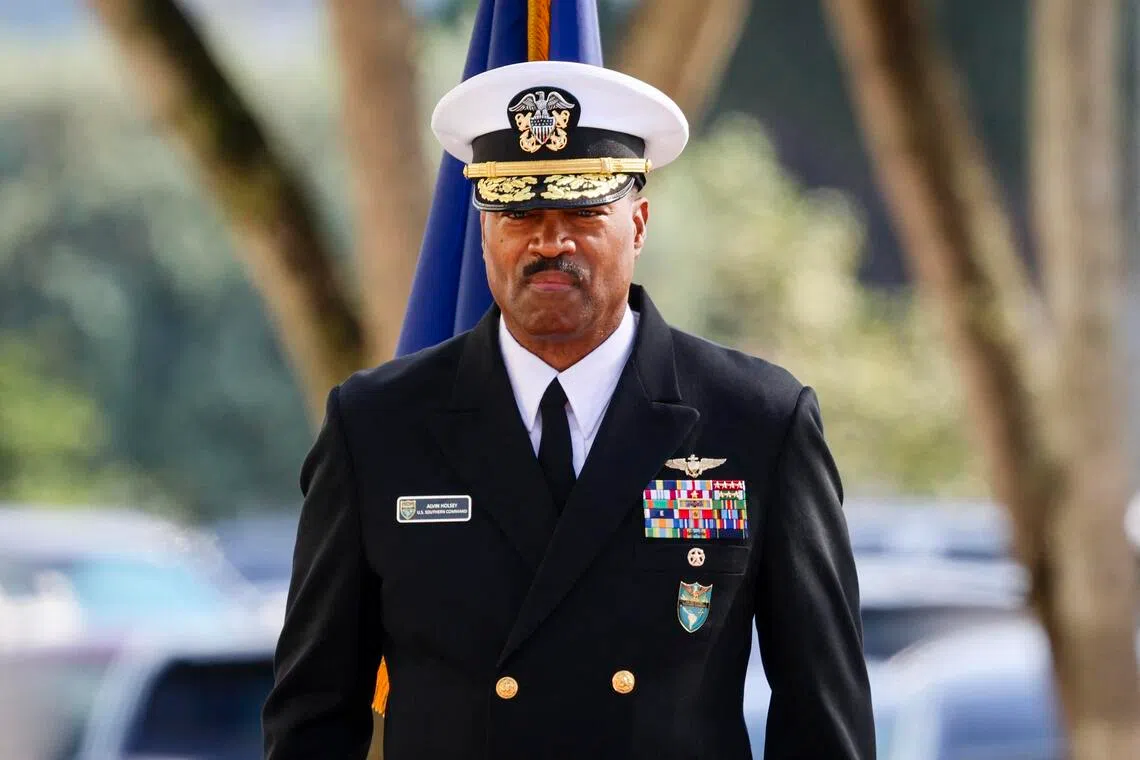
A U.S. admiral overseeing American military operations in Latin America has stepped down from his post, marking a sudden change in leadership amid growing regional and internal pressures. The resignation comes at a time of heightened security challenges and strategic focus in Latin America, including counter-narcotics operations, humanitarian missions, and diplomatic engagements.
Background on the Admiral and Mission
The admiral was responsible for commanding U.S. troops deployed across multiple Latin American countries, coordinating with local militaries, and supporting initiatives such as countering drug trafficking, promoting regional stability, and facilitating disaster relief operations.
Under his leadership, U.S. forces were involved in joint training exercises, intelligence sharing, and humanitarian missions, aimed at strengthening security partnerships with regional allies.
Reasons for Resignation
While specific reasons for the admiral’s departure have not been fully disclosed, sources indicate it may involve internal leadership disagreements, strategic disagreements, or personal considerations. Pentagon officials have confirmed the resignation but declined to comment on whether it was voluntary or influenced by external pressures.
Analysts suggest that the resignation could impact ongoing U.S. military operations in Latin America, particularly in countries heavily reliant on U.S. support for counter-narcotics and disaster relief efforts.
Implications for US-Latin America Operations
The sudden leadership change may lead to temporary adjustments in command structure, coordination with regional partners, and operational priorities. Maintaining continuity is critical, given ongoing missions that involve multinational cooperation and countering transnational threats.
Observers note that Latin America remains a strategic focus for the U.S., with military engagement closely tied to broader diplomatic and economic initiatives. Any disruption in leadership could influence perceptions of U.S. commitment and operational effectiveness.
Reaction From Officials
Pentagon officials have expressed confidence in the succession plan, emphasizing that U.S. forces in Latin America will continue their missions without interruption. Regional allies have been briefed to ensure continuity and minimize operational disruptions.
The resignation has also prompted discussions about the challenges of commanding U.S. troops abroad, especially in regions with complex political, economic, and security landscapes.
What Comes Next
The Department of Defense is expected to announce a replacement soon, ensuring leadership continuity for U.S. operations in the region. Meanwhile, analysts will be watching closely for any shifts in strategy or operational emphasis under new command.
Takeaway
The departure of a senior U.S. admiral from Latin America underscores the delicate balance of military leadership, regional engagement, and strategic priorities. While operations are expected to continue smoothly, the resignation highlights potential internal and external pressures affecting U.S. forces abroad.
Watch video below :