

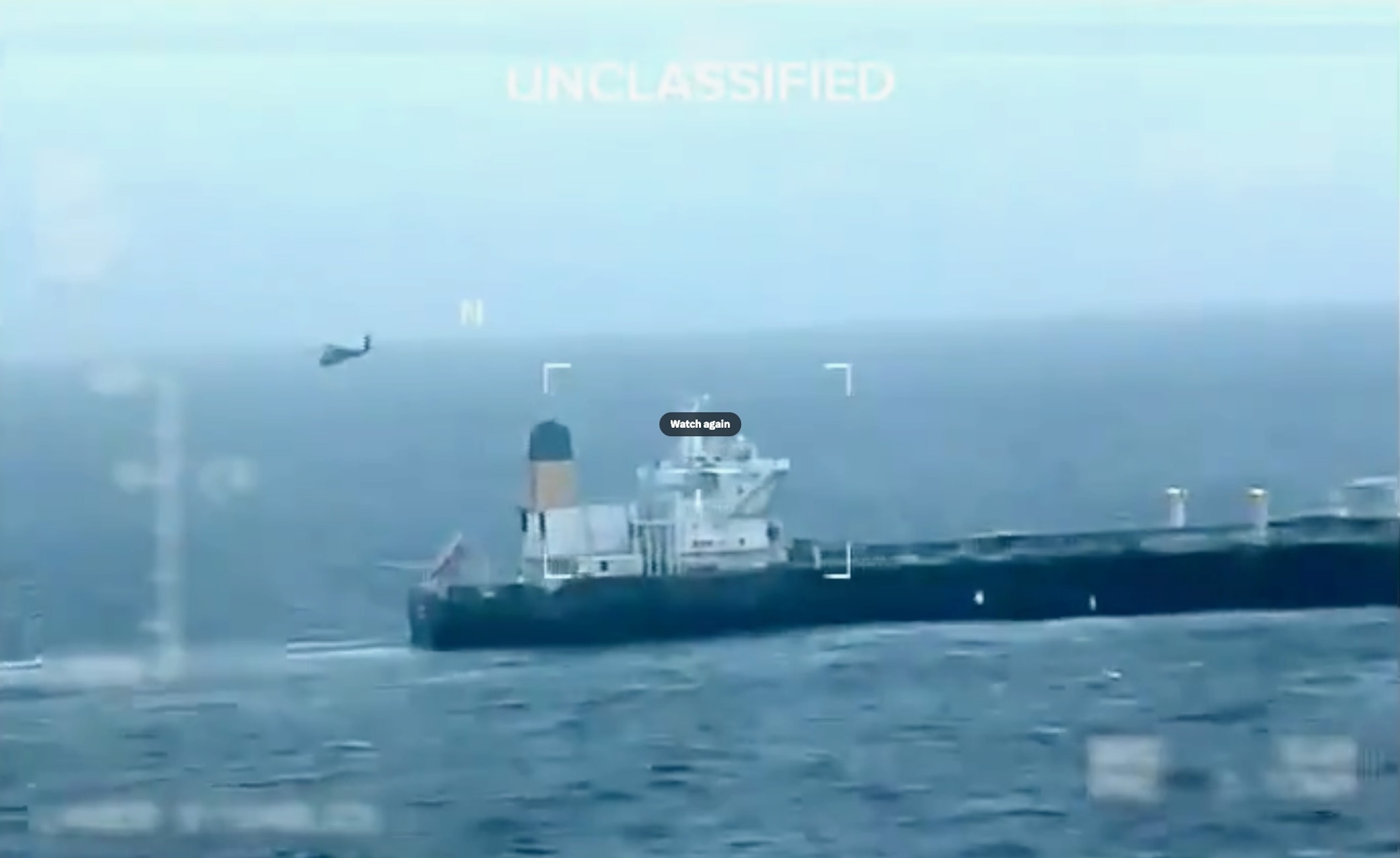
The United States has seized another oil tanker, signaling an escalation in Washington’s maritime enforcement efforts and underscoring growing tensions surrounding sanctions, energy trade, and global security. The move reflects an increasingly aggressive strategy aimed at disrupting illicit oil shipments and enforcing U.S. economic restrictions.
According to U.S. officials, the tanker was allegedly involved in transporting oil in violation of American sanctions. While specific operational details remain limited, authorities say the seizure is part of a broader campaign to target vessels suspected of helping sanctioned countries bypass international restrictions through complex shipping networks.
The latest seizure follows a series of similar actions in recent months, suggesting a sustained effort by U.S. agencies to clamp down on what officials describe as a shadow fleet of oil tankers. These vessels often operate under flags of convenience, manipulate tracking data, or engage in ship-to-ship transfers in international waters to obscure the origin and destination of crude oil.
U.S. officials argue that such enforcement actions are necessary to uphold international norms, protect maritime transparency, and prevent sanctioned regimes from generating revenue that could be used for military or destabilizing activities. “Sanctions enforcement is a critical tool of U.S. national security policy,” one senior official said, emphasizing the importance of accountability in global energy markets.
The seizure has drawn attention from shipping companies, insurers, and energy traders, who are increasingly wary of the legal and financial risks associated with operating in sensitive regions. Industry experts warn that heightened enforcement could raise shipping costs and disrupt supply chains, particularly at a time when global energy markets remain vulnerable to geopolitical shocks.
Critics, however, argue that tanker seizures risk escalating tensions and could provoke retaliatory actions. Some analysts warn that aggressive enforcement at sea may increase the likelihood of confrontations in key maritime corridors, including strategic chokepoints vital to global oil flows. Others question whether unilateral actions could strain relations with allies or complicate diplomatic efforts.
From an economic standpoint, the impact of individual seizures may be limited, but the broader trend carries significant implications. As enforcement intensifies, oil traders may become more cautious, potentially reducing the availability of sanctioned crude on the global market. This could contribute to price volatility, especially if multiple shipments are disrupted over a short period.
The seizure also highlights the evolving nature of sanctions enforcement. Rather than relying solely on financial penalties, the U.S. is increasingly using physical interdictions and maritime seizures to disrupt illicit trade directly. This approach sends a strong signal to shipping operators and intermediaries that violations carry tangible consequences.
As the investigation into the seized tanker continues, questions remain about how far the United States is willing to go in expanding its maritime crackdown. What is clear is that oil tankers have become a focal point in the broader struggle over sanctions, energy security, and geopolitical influence.
With global demand for oil remaining high and geopolitical rivalries intensifying, the seizure of another tanker underscores how energy trade is increasingly intertwined with international power politics—turning the world’s oceans into a key arena for enforcement, deterrence, and strategic signaling.
Watch video below :


