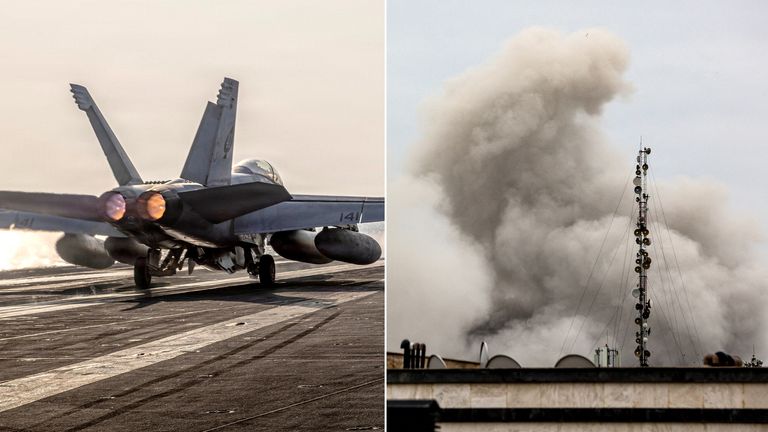
The United States has decided to delay planned military strikes against Iran for five days, signaling a possible shift toward diplomacy as tensions in the Middle East continue to escalate. The move comes after what U.S. officials described as “productive discussions” that could potentially reduce the risk of further military conflict and stabilize global energy markets.
According to statements from U.S. leadership, the temporary pause is intended to create an opportunity for negotiations focused on regional security concerns and the protection of critical energy routes. The decision reflects growing international pressure to avoid escalation, particularly as global markets react sensitively to developments in the ongoing U.S.–Iran conflict.
Donald Trump indicated that the five-day delay would allow time to explore diplomatic solutions that could reduce tensions while maintaining strategic leverage. Officials emphasized that the postponement should not be interpreted as a withdrawal of military readiness, but rather as a calculated effort to achieve progress through dialogue.
One of the central concerns in the conflict remains the stability of the Strait of Hormuz, a critical global shipping route responsible for transporting a significant percentage of the world’s oil supply. Any disruption in this region could trigger major economic consequences, including higher fuel prices, inflation pressure, and volatility in global stock markets.
Iran has publicly denied that direct negotiations with the United States have taken place, creating uncertainty about the true progress of diplomatic efforts. Analysts suggest that behind-the-scenes communication channels may still be active, as both sides attempt to balance political messaging with strategic objectives.
The five-day window is being closely monitored by global investors, policymakers, and energy companies. Oil prices briefly stabilized following the announcement, reflecting cautious optimism that the situation may not immediately escalate into a broader regional conflict. However, geopolitical experts warn that tensions remain high, and the situation could change rapidly depending on developments in negotiations.
Military analysts note that delaying strikes can sometimes serve multiple purposes, including allowing additional intelligence gathering, coordinating allied positions, or assessing economic impact. The current situation demonstrates the complex balance between military strategy and diplomatic engagement, especially in regions with significant geopolitical influence.
The evolving U.S.–Iran situation continues to attract worldwide attention due to its potential implications for international trade, global security, and economic stability. As the five-day pause unfolds, governments and financial markets alike remain alert to any signals that could indicate either de-escalation or renewed confrontation.
Observers emphasize that diplomatic breakthroughs in high-tension conflicts often require patience, strategic compromise, and careful communication. Whether the temporary delay leads to meaningful progress or simply postpones further conflict remains uncertain, but the coming days are expected to play a critical role in shaping the direction of U.S.–Iran relations.
For now, the world watches closely as diplomatic channels attempt to prevent further escalation in one of the most strategically sensitive regions on the planet.
Watch video below :