

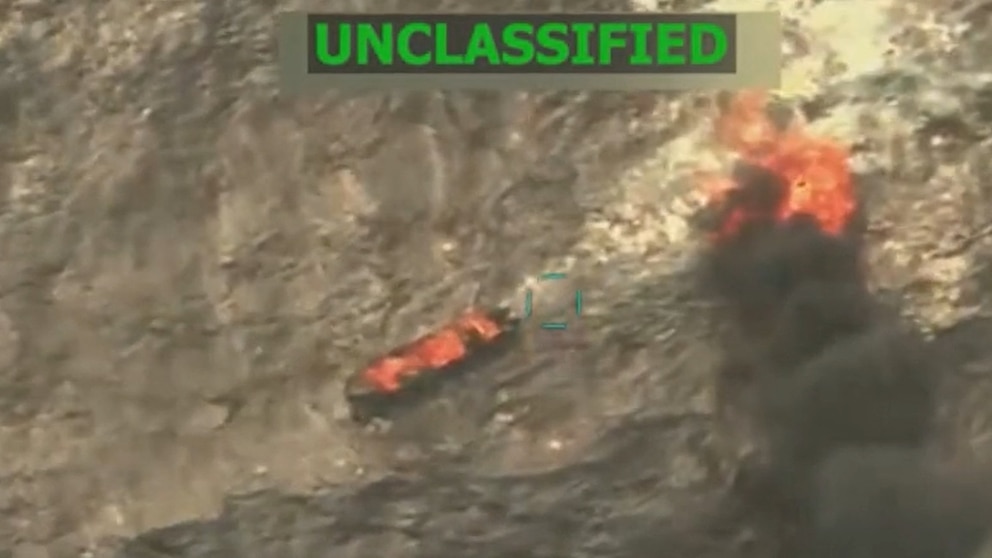
The United States has officially entered what the Trump administration calls a “non-international armed conflict” with drug cartels, a move that dramatically expands the government’s counter-narcotics campaign. A classified memo delivered to Congress confirmed the new legal framing, signaling that cartel members will now be treated as unlawful combatants and that the military will take a more direct role in fighting organized crime groups operating across the Americas.
Military strikes already underway
According to Pentagon officials, U.S. forces have already carried out multiple strikes against suspected drug-smuggling vessels in the Caribbean. At least two of the targeted boats were reportedly linked to operations originating from Venezuela. These strikes resulted in at least 17 deaths, marking the most aggressive use of military force against drug traffickers in recent history.
Among the groups named in the memo is Tren de Aragua, a powerful criminal syndicate accused of running narcotics routes by sea. The designation of such cartels as “terrorist organizations” opens the door to broader U.S. military engagement under the laws of armed conflict.
Trump’s legal and political gamble
By declaring an armed conflict, President Trump has effectively shifted the fight against cartels from a law enforcement challenge into a war footing. This framing gives the administration broader latitude to conduct strikes, detain suspects, and operate internationally without waiting for new congressional approval.
Supporters argue the move is overdue, given the scale of cartel violence and the devastating toll of fentanyl and other drugs on American communities. Trump has framed the decision as necessary to protect U.S. national security and save lives.
Fierce criticism from legal experts and lawmakers
Critics, however, warn of dangerous consequences. Legal scholars question whether drug trafficking qualifies as an “armed attack” under international law. Human rights advocates fear that classifying traffickers as combatants could blur the lines between criminals and enemy fighters, potentially justifying lethal force with limited oversight.
Some members of Congress have also expressed alarm, arguing that the President has bypassed their constitutional authority to declare war or authorize extended military operations. The lack of transparency around targeting decisions, they warn, risks civilian casualties and international backlash.
Global and regional implications
Internationally, the decision raises questions about sovereignty and diplomacy. Countries like Venezuela, which has already clashed with Washington over drug-related accusations, may view U.S. actions as violations of their territorial integrity. Regional allies are also watching closely, as expanded military operations in the Caribbean and Latin America could heighten tensions or destabilize fragile political environments.
What comes next
The declaration marks a turning point in U.S. drug policy and security strategy. Whether it leads to measurable reductions in trafficking and overdose deaths, or instead sparks legal challenges and diplomatic crises, remains uncertain.
One thing is clear: by reframing the fight against cartels as an armed conflict, the Trump administration has set the stage for a far more militarized — and controversial — approach to America’s long war on drugs.
Watch video below :


