

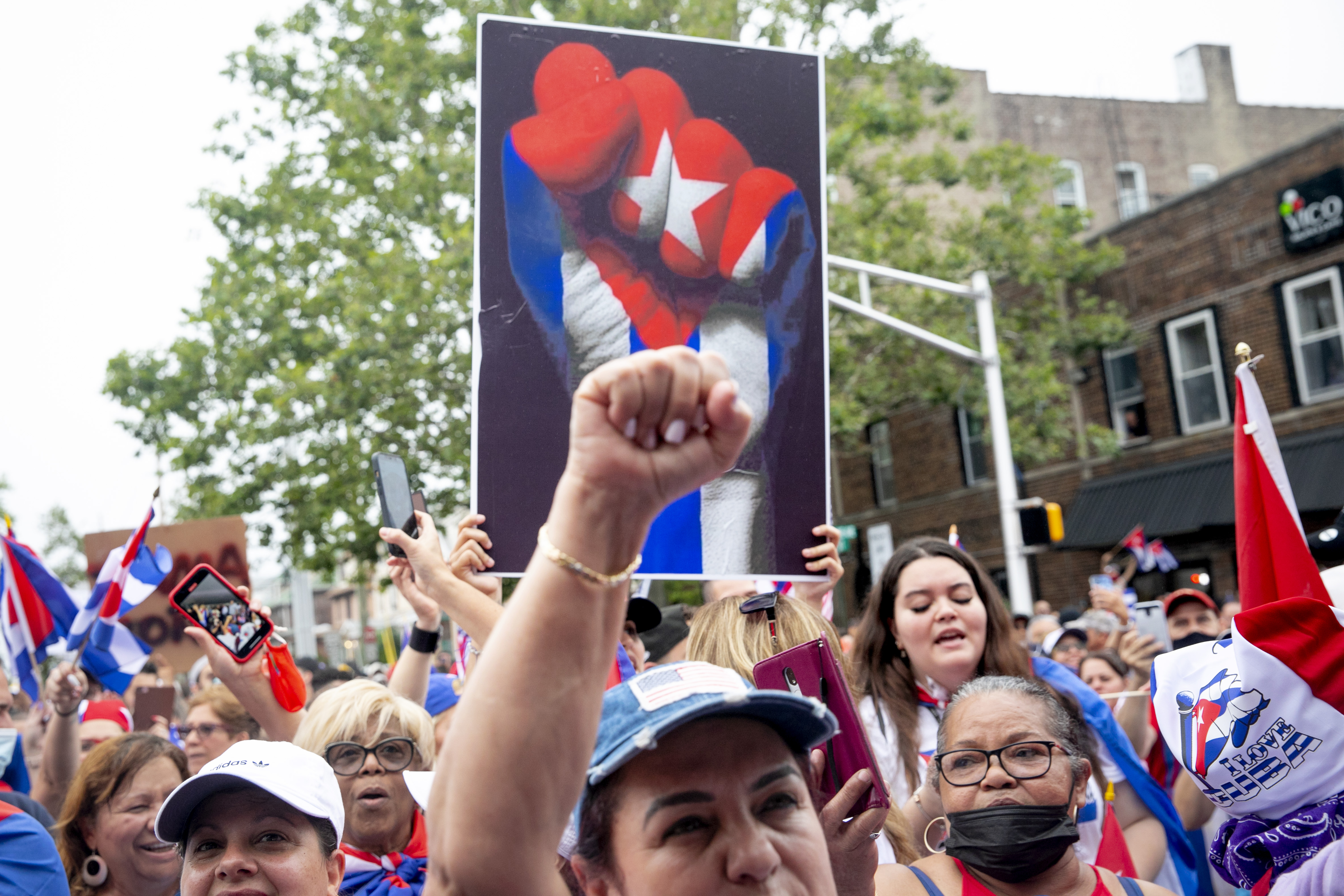
Tensions between the United States and Cuba have sharply escalated following an exchange of stern warnings between the two countries’ presidents, raising concerns about a renewed period of hostility after years of fragile diplomatic relations. The verbal confrontation has drawn international attention, signaling a potential shift toward a more confrontational stance on both sides.
The dispute intensified after the U.S. president issued a public warning accusing the Cuban government of destabilizing behavior and human rights violations. In response, Cuba’s president delivered a defiant statement, rejecting U.S. criticism and warning against what he described as interference in Cuba’s internal affairs. The exchange has heightened fears of diplomatic fallout and economic repercussions.
Officials in Washington argue that Cuba has failed to uphold basic freedoms and democratic norms, pointing to recent crackdowns on dissent and restrictions on civil liberties. U.S. leaders have reiterated that continued pressure, including economic measures, may be necessary to hold the Cuban government accountable for its actions.
Havana, however, has pushed back forcefully. Cuban officials accuse the United States of economic aggression, citing long-standing sanctions as the primary cause of the island’s economic hardship. The Cuban president warned that any attempt to escalate pressure would be met with firm resistance, framing the dispute as a matter of national sovereignty.
The exchange comes at a delicate moment for Cuba, which is facing its most severe economic crisis in decades. Shortages of food, fuel, and medicine have fueled public frustration, while the government struggles to stabilize the economy amid inflation and declining tourism. Analysts say heightened tensions with the United States could further strain an already fragile situation.
Diplomatic experts warn that the escalating rhetoric risks undoing limited progress made in recent years toward dialogue and engagement. While full diplomatic relations remain intact, communication channels have narrowed, and cooperation on issues such as migration, security, and environmental protection could be affected.
Regional leaders and international observers have urged both sides to lower the temperature and return to diplomatic engagement. Some Latin American governments have expressed concern that renewed U.S.–Cuba tensions could destabilize the region and complicate broader efforts toward cooperation in the Americas.
Despite the heated exchange, neither side has announced immediate policy changes. However, analysts caution that rhetoric often precedes action. Increased sanctions, diplomatic expulsions, or reduced cooperation remain possible outcomes if tensions continue to rise.
For Washington, the confrontation reflects a broader strategy of pressuring governments accused of authoritarian practices. For Havana, the dispute reinforces long-standing narratives of resistance against U.S. influence. The clash of messaging highlights the deep mistrust that continues to define the relationship between the two nations.
As both governments dig in, the path forward remains uncertain. Whether the exchange of warnings leads to concrete action or fades into diplomatic posturing will depend on decisions made in the coming weeks. What is clear is that U.S.–Cuba relations are once again at a crossroads, with rising tensions threatening to overshadow any prospects for improved ties.
Watch video below :


