
President Donald Trump said he has not yet made a final decision regarding potential U.S. action against Iran, stressing that he would “rather do it the peaceful way” even as tensions continue to rise over Tehran’s nuclear program and regional activities.
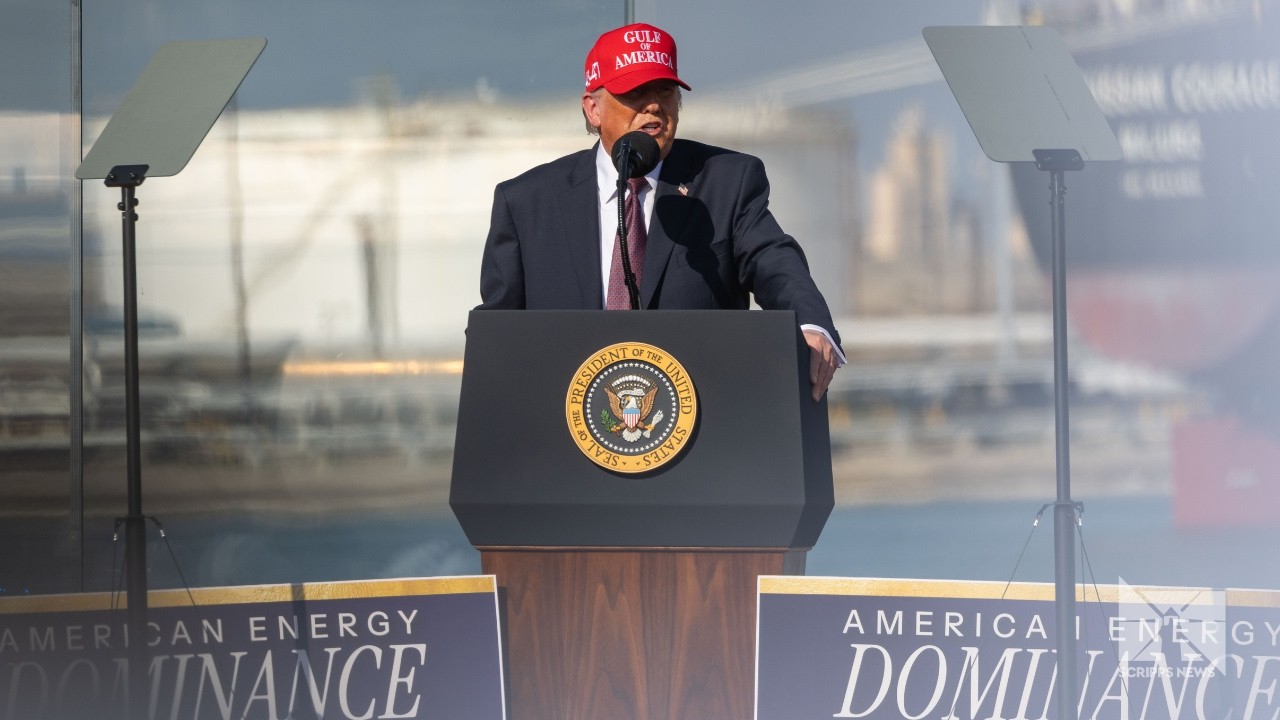
Speaking to reporters, Trump emphasized that diplomacy remains his preferred option but acknowledged that military force has not been ruled out. “I’d rather do it the peaceful way,” he said, while noting that Iran has been “very difficult” in ongoing negotiations. His remarks highlight the delicate balance the administration is attempting to strike between diplomatic engagement and strategic deterrence.
The United States has been involved in indirect talks with Iranian representatives aimed at curbing Tehran’s nuclear ambitions. While discussions have been described by mediators as constructive, no breakthrough agreement has been announced. Washington continues to insist that Iran must provide firm guarantees it will not pursue nuclear weapons capabilities, a demand Tehran has historically disputed.
At the same time, the U.S. has strengthened its military posture in the Middle East, signaling preparedness should diplomacy fail. Defense officials have confirmed that American forces in the region remain on heightened alert. Analysts say this dual-track strategy—engagement combined with military readiness—is designed to increase leverage at the negotiating table while deterring potential escalation.
Trump’s comments come amid growing debate in Washington over how to address Iran’s nuclear development and regional influence. Supporters of a tougher stance argue that sustained pressure is necessary to ensure compliance and prevent long-term security threats. Others caution that direct military confrontation could destabilize the region and undermine global markets.
The uncertainty surrounding Trump’s decision has also captured international attention. Allies in Europe are closely monitoring the situation, urging restraint and renewed diplomatic efforts. Meanwhile, regional actors are assessing the implications of any potential U.S. move, given the strategic importance of the Persian Gulf and global energy supply routes.
Political observers note that Trump’s public statements leave room for maneuver. By declining to announce a definitive course of action, he maintains flexibility while signaling resolve. This approach allows diplomatic channels to remain open without weakening the administration’s bargaining position.
The broader issue at stake is the future of U.S.-Iran relations and the long-standing dispute over nuclear enrichment. Any final decision—whether toward renewed agreements or increased confrontation—could reshape geopolitical dynamics in the Middle East for years to come.
For now, Trump’s message is clear: while military options remain on the table, diplomacy is still the preferred path. Whether negotiations produce tangible results or tensions escalate will depend largely on developments in the coming weeks.
Watch video below :