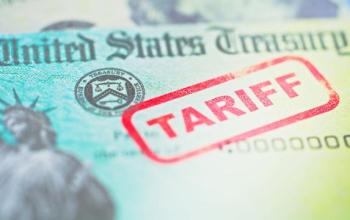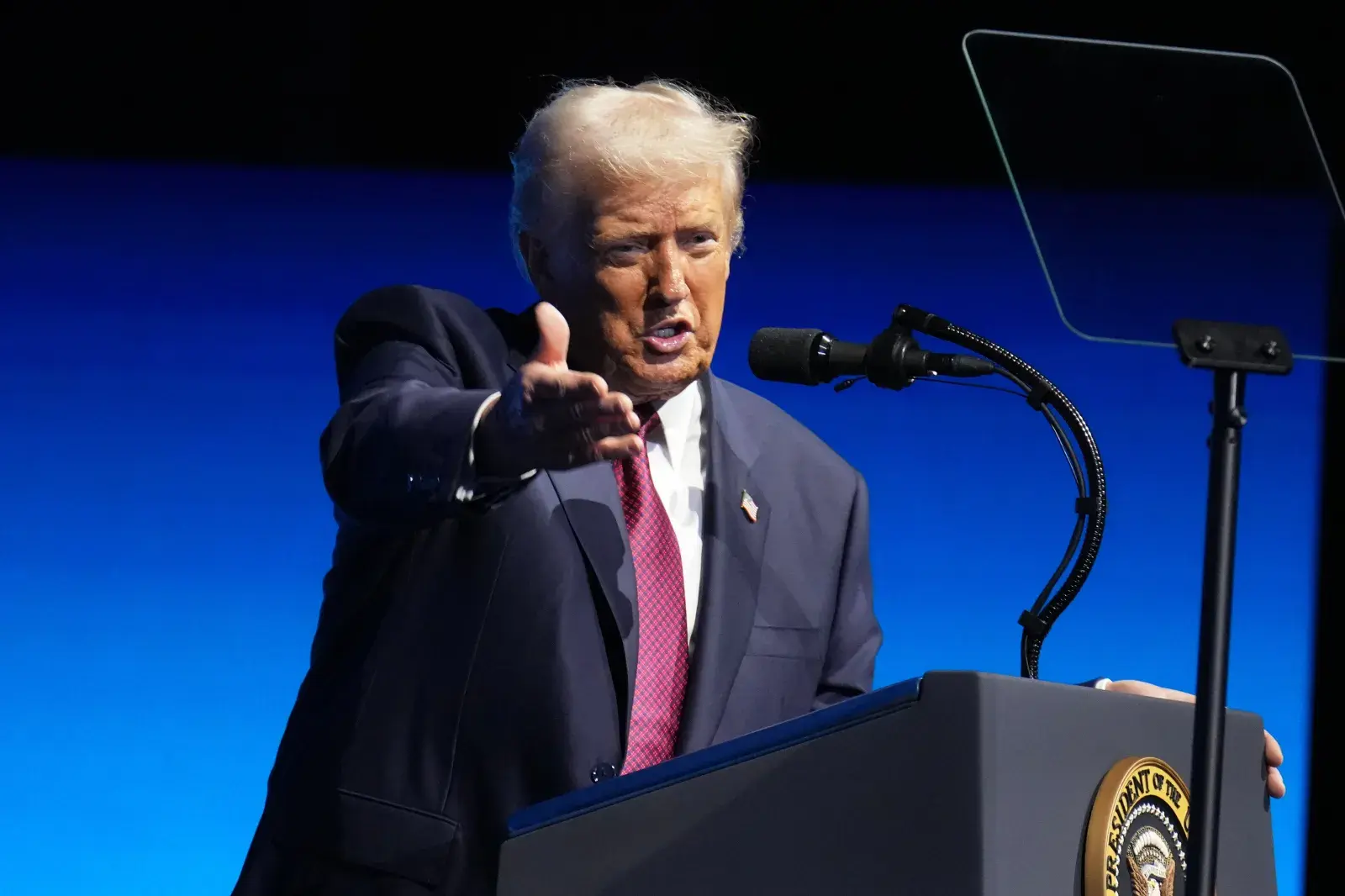
President Donald Trump has issued a stark warning: if the U.S. Supreme Court overturns his signature tariff policies, the government could be forced to repay trillions of dollars collected from importers over the past several years. The statement, made during a recent press briefing, has stirred intense debate among economists, legal scholars, and policymakers.
The case centers on Trump’s use of the International Emergency Economic Powers Act (IEEPA) to impose broad “reciprocal” or emergency tariffs on several nations, including China. Critics argue that Trump overstepped his presidential authority, transforming a law designed for targeted national security measures into a sweeping economic weapon. Lower courts have already ruled that the tariffs exceeded executive powers, and the dispute is now before the Supreme Court — a showdown that could redefine the limits of presidential control over U.S. trade.
Trump insists that reversing the tariffs would have devastating financial consequences. “If the Court rules against us, we’d have to pay back trillions of dollars,” he told reporters. “It would be a disaster for our economy and a huge gift to foreign countries.”
However, experts say Trump’s claim may be exaggerated. Treasury Secretary Scott Bessent recently acknowledged that the government might owe hundreds of billions — possibly up to $1 trillion — if refunds are required. Analysts from TIME and Business Insider note that the actual refund amount depends on complex legal factors, including which tariffs were authorized under different statutes and which importers are eligible for repayment.
Even if refunds are ordered, the process would be lengthy and technical, involving claims by thousands of companies, audits by U.S. Customs, and potential litigation over who bears the cost. Consumers, experts emphasize, are unlikely to see any direct refunds, since importers typically absorbed or passed on tariff costs years ago.
Still, the stakes are enormous. The Supreme Court’s decision — expected later this year — could reshape the scope of presidential authority on economic policy. If Trump’s interpretation of IEEPA is struck down, future administrations may face tighter limits on emergency trade powers.
While Trump’s “trillions” figure may be rhetorical, the outcome could still hit the U.S. Treasury hard, potentially erasing years of tariff revenue and complicating future trade negotiations. As the nation awaits the ruling, investors, manufacturers, and foreign governments are watching closely to see whether the president’s controversial tariffs will stand — or unravel under constitutional scrutiny.
Watch video below :