

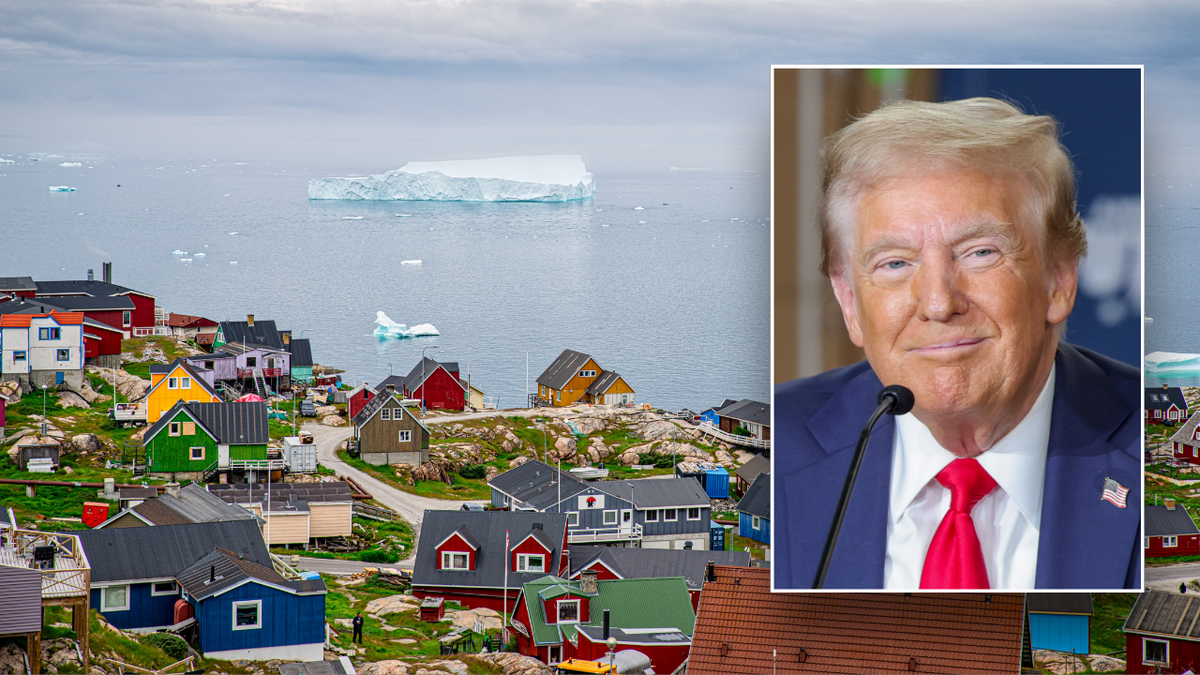
In a stunning escalation of geopolitical rhetoric, President Donald Trump has declared that the United States will take decisive action regarding Greenland, asserting that this move will happen “whether they like it or not.” This bold statement has reignited international discussions over sovereignty, the Arctic region, and the strategic interests of the United States in the global arena.
Speaking to the press, Trump did not mince words, emphasizing the critical importance of Greenland to U.S. national security. While he stopped short of detailing the specific mechanisms of such an acquisition—whether it be economic pressure, military posturing, or diplomatic negotiations—the intent was clear: the United States views control of the vast Arctic island as a non-negotiable priority.
Strategic Importance and the Arctic Gateway
Greenland, the world’s largest island, has long been a geopolitical jewel due to its strategic location between the Arctic and the North Atlantic. For Washington, controlling Greenland is essential for monitoring maritime traffic, particularly as melting ice caps open new shipping lanes. Furthermore, the island hosts the Pituffik Space Base, a crucial facility for missile warning systems and space surveillance.
Experts in international relations suggest that Trump’s aggressive posture is driven by concerns over rising Russian and Chinese influence in the Arctic. By securing a foothold in Greenland, the U.S. aims to cement its dominance in a region that is rapidly becoming a focal point of great power competition. Access to Greenland’s vast reserves of rare earth minerals also presents a lucrative economic incentive, reducing American reliance on foreign supply chains.
International Reaction and Sovereignty Concerns
The remarks have drawn immediate and sharp criticism from Copenhagen. The Danish government, which has sovereignty over Greenland, has historically maintained that the island is not for sale. Greenlandic Prime Minister Múte B. Egede has previously and emphatically stated that Greenland is ours and not for sale, reflecting a strong desire for independence and self-determination among the island’s population.
Legal scholars note that any attempt by the U.S. to forcibly acquire Greenland would be a violation of international law, specifically regarding the territorial integrity of sovereign nations. However, Trump’s transactional view of foreign policy suggests he may leverage economic aid or military defense guarantees to sway opinions.
A New Era of American Expansionism?
This latest proclamation has left analysts debating the seriousness of the proposal versus its utility as a political bargaining chip. Whether a genuine attempt at territorial expansion or a tactic to rally support, the sentiment underscores a shift toward a more aggressive American foreign policy.
As the situation develops, the world watches closely to see how Denmark responds and what concrete steps, if any, the United States will take. One thing is certain: the Arctic is no longer a frozen backwater, but a heated front in the global battle for influence.
Watch video below :