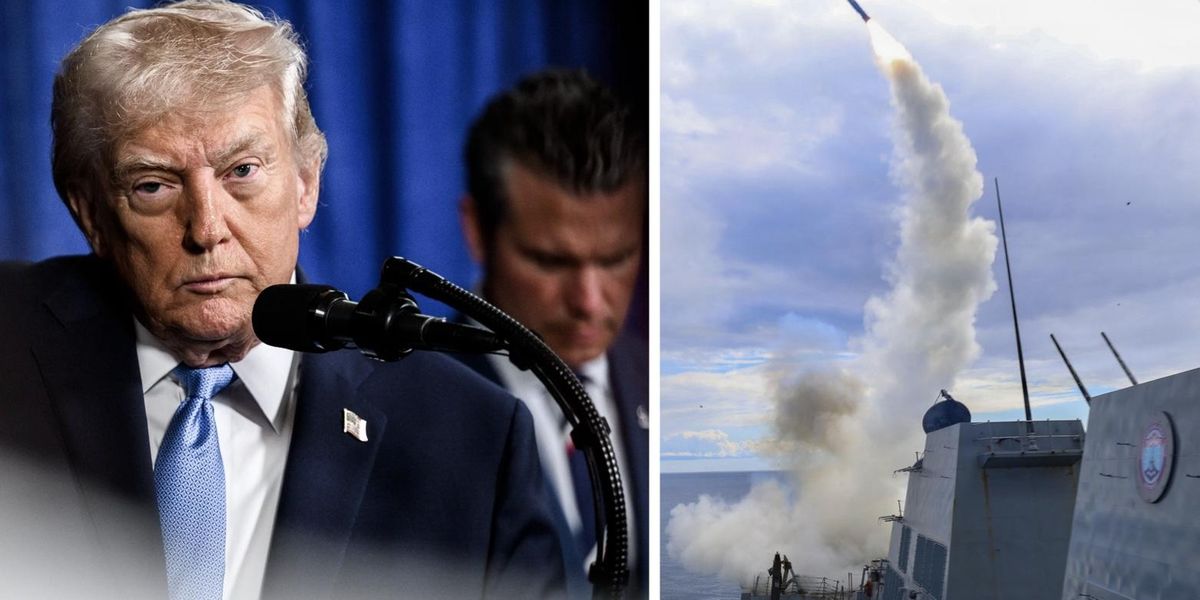
U.S. President Donald Trump has made a decisive statement on the ongoing Iran conflict, declaring: “I don’t want to do a ceasefire.” The remark underscores a hardline stance as the war enters a critical phase, with rising global tensions and increasing military deployments across the Middle East.
Speaking to reporters, Trump dismissed calls from international leaders urging a pause in hostilities. He argued that a ceasefire would be premature, emphasizing that the United States is currently in a position of strength. According to his comments, halting military operations now would undermine progress made on the battlefield.
Instead of pursuing a temporary truce, Trump signaled that the U.S. is aiming for a more decisive outcome. He has repeatedly framed the objective as achieving a “real end” to the conflict—one that eliminates threats rather than postpones them.
The statement comes as the U.S. continues to ramp up its military presence in the region. Additional troops, including thousands of Marines and multiple warships, are being deployed to strategic نقاط near the Strait of Hormuz. This vital waterway handles a significant portion of the world’s oil supply, making it a focal point of both military and economic concern.
Trump also suggested that the current level of pressure on Iran could eventually force a resolution without the need for negotiations. He indicated that Iran’s military capabilities have already been significantly degraded, claiming it could take years for the country to recover.
However, the refusal to consider a ceasefire has sparked widespread debate. Critics warn that continuing the الحرب without diplomatic efforts could lead to a broader regional conflict, potentially drawing in additional countries and destabilizing global markets. Oil prices have already surged amid fears of prolonged disruption in the Gulf.
Supporters of the administration argue that a ceasefire would only give Iran time to regroup. They believe sustained military pressure is necessary to achieve long-term security goals, particularly preventing Iran from advancing its nuclear program.
Meanwhile, uncertainty remains over whether the conflict could escalate further into a ground operation. While no official decision has been announced, the growing military buildup suggests that multiple scenarios are being considered by U.S. defense planners.
The international community continues to push for dialogue, with several мировые leaders calling for de-escalation. Yet, Trump’s latest remarks indicate that the U.S. is not ready to shift toward diplomacy—at least for now.
In the broader context, the rejection of a ceasefire reflects a strategic calculation: prioritizing decisive military outcomes over short-term stability. As the situation evolves, the world is closely watching whether this approach will bring a swift conclusion—or deepen one of the most dangerous conflicts in recent years.
Watch video below :