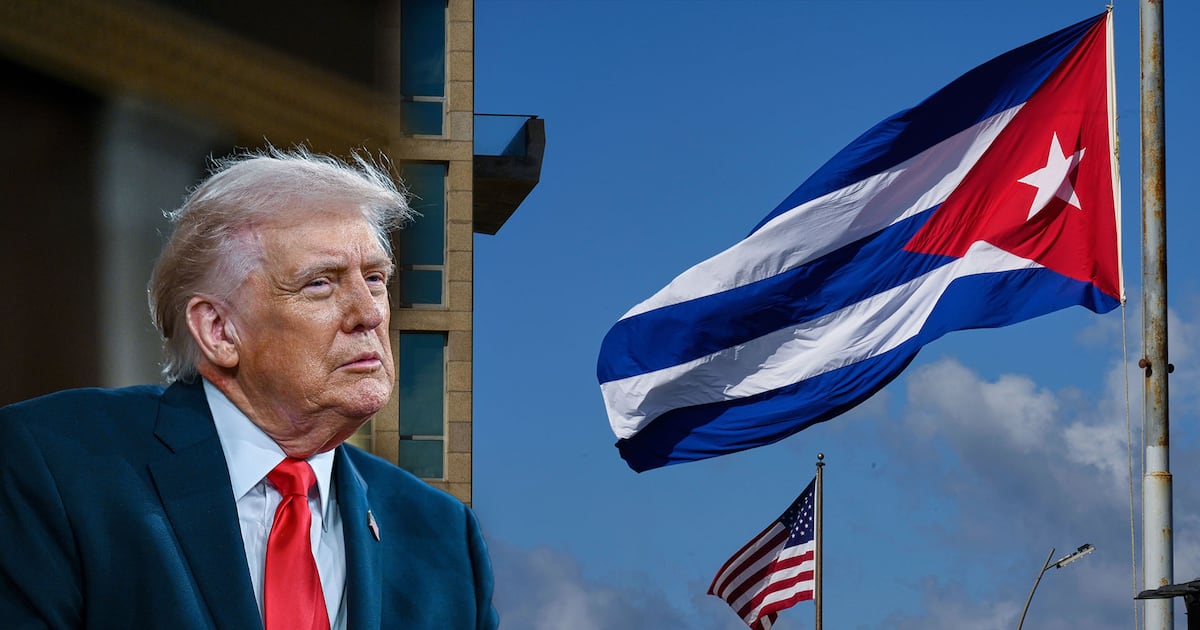
U.S. President Donald Trump has sparked intense global debate after floating the idea of a “friendly takeover” of Cuba, a remark that has drawn swift reactions from political leaders, analysts, and the international community.
The statement, reportedly made during a discussion on U.S. foreign policy, suggested that the United States could play a more direct role in reshaping Cuba’s political and economic system. While Trump framed the concept as a cooperative effort aimed at improving conditions on the island, critics argue that the idea raises serious concerns about sovereignty and international law.
Cuba, governed by a long-standing socialist system since the Cuban Revolution, has historically resisted U.S. influence. Relations between the two nations have remained tense for decades, marked by economic sanctions, diplomatic disputes, and ideological differences. Trump’s latest remarks appear to revisit a controversial chapter in U.S.-Cuba relations, one that many believed had largely stabilized in recent years.
Political analysts say the phrase “friendly takeover” is highly unusual in modern diplomacy. Even if intended rhetorically, it evokes historical instances of interventionism that have often led to prolonged conflict and international criticism. Experts warn that such language could damage U.S. credibility on the global stage and strain relations with allies in Latin America.
Officials in Cuba have not responded formally to the comments, but state media outlets have criticized the suggestion as an example of continued U.S. interference in Cuban affairs. Many Cuban citizens and activists have also taken to social media, expressing a mix of concern, skepticism, and outrage over the proposal.
Within the United States, reactions have been sharply divided. Supporters of Trump argue that stronger engagement with Cuba—particularly one aimed at economic reform—could benefit both countries. They point to ongoing challenges in Cuba’s economy as evidence that change is needed.
However, critics, including lawmakers and foreign policy experts, have condemned the idea as unrealistic and potentially dangerous. They argue that any form of “takeover,” regardless of how it is framed, would violate international norms and likely provoke significant resistance both within Cuba and across the region.
The controversy comes at a time when U.S. foreign policy is already under intense scrutiny, particularly in light of ongoing global tensions. Trump’s remarks may also have domestic political implications, as debates over international strategy continue to shape public opinion ahead of future elections.
Historically, U.S.-Cuba relations have seen periods of both confrontation and cautious engagement. Efforts to normalize ties have included diplomatic openings and economic initiatives, but deep-rooted mistrust has remained a persistent barrier.
In conclusion, President Donald Trump’s suggestion of a “friendly takeover” of Cuba has reignited longstanding debates about U.S. interventionism and the limits of foreign policy. Whether the comment reflects a serious proposal or political rhetoric, it has already triggered widespread discussion about sovereignty, diplomacy, and the future of U.S.-Cuba relations.
Watch video below :