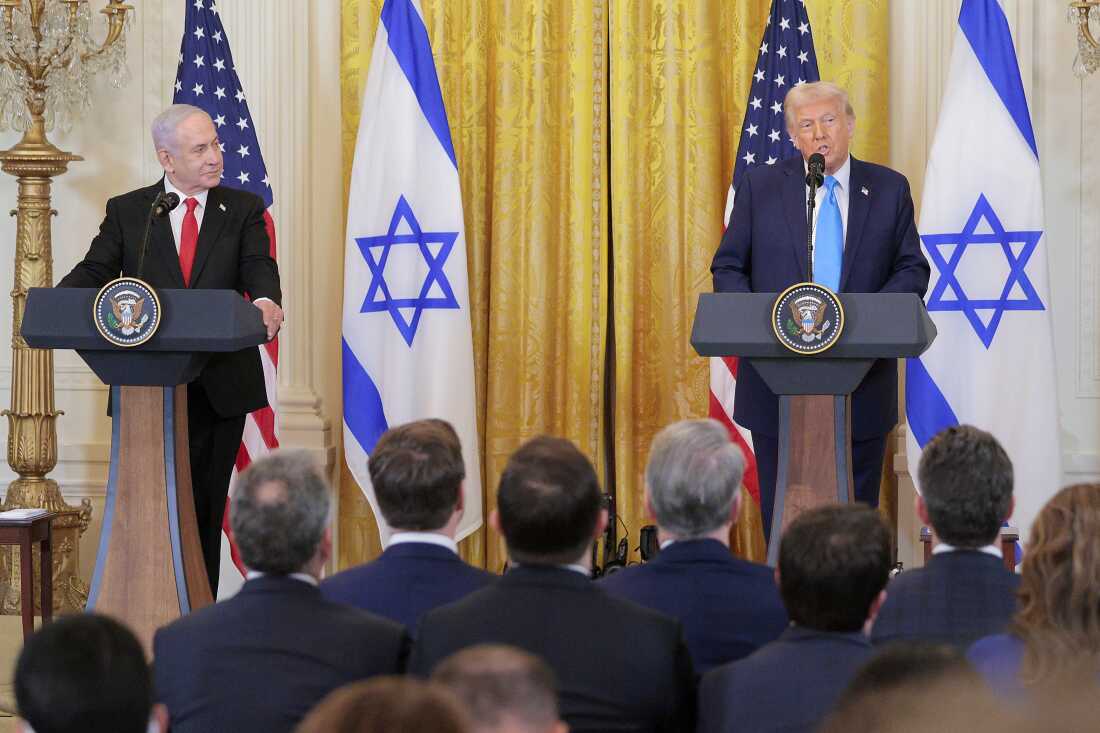
In a dramatic escalation of U.S. foreign policy, President Donald Trump has confirmed that he authorized the CIA to carry out covert operations in Venezuela, a move that has sent shockwaves through diplomatic circles and intensified global debate over Washington’s role in Latin America.
Speaking at a press briefing on October 15, 2025, Trump said he had given the CIA “full authority” to conduct secret operations inside Venezuela, citing national security concerns related to drug trafficking and the alleged release of criminals from Venezuelan prisons. “They’re sending people — dangerous people — and we’re not going to let that happen,” Trump declared.
According to reports from The Washington Post and CBS News, the presidential finding authorizes the CIA to engage in a wide range of clandestine actions — potentially including lethal missions, intelligence gathering, and psychological operations — aimed at countering what the administration calls “Venezuelan narcoterror networks.”
The announcement follows a series of recent U.S. military strikes in the Caribbean, targeting vessels allegedly linked to Venezuelan drug operations. Since September, at least five maritime attacks have occurred, resulting in over two dozen deaths. Trump hinted that future actions could extend beyond the sea, stating, “We’re looking at land,” a remark widely interpreted as a signal of possible CIA or U.S. military activity inside Venezuelan territory.
While Trump’s supporters praise the move as a strong stance against drug cartels and criminal infiltration, critics argue that the decision violates international law and risks provoking a major diplomatic crisis. The Venezuelan government swiftly condemned the action, calling it “an act of aggression” and a “blatant violation of sovereignty.”
Legal experts and members of Congress are demanding transparency regarding the scope and oversight of these operations. Under U.S. law, covert actions require a classified presidential directive and congressional notification, but details remain tightly sealed. Observers warn that without proper oversight, the CIA’s expanded authority could lead to unintended consequences, including civilian casualties or retaliation.
Moreover, analysts question the credibility of some of Trump’s claims — particularly allegations that Venezuela released prisoners and sent them toward the U.S. border — as no independent evidence has yet been presented.
The move underscores the Trump administration’s renewed focus on hard power diplomacy and counter-narcotics operations in the Western Hemisphere. However, experts caution that such strategies often backfire, deepening instability and alienating regional allies.
As the CIA begins its mission under this new directive, the world watches closely. The stakes are high: one misstep could transform covert action into open conflict, reshaping U.S.–Venezuela relations and testing the limits of American power on the global stage.
Watch video below :