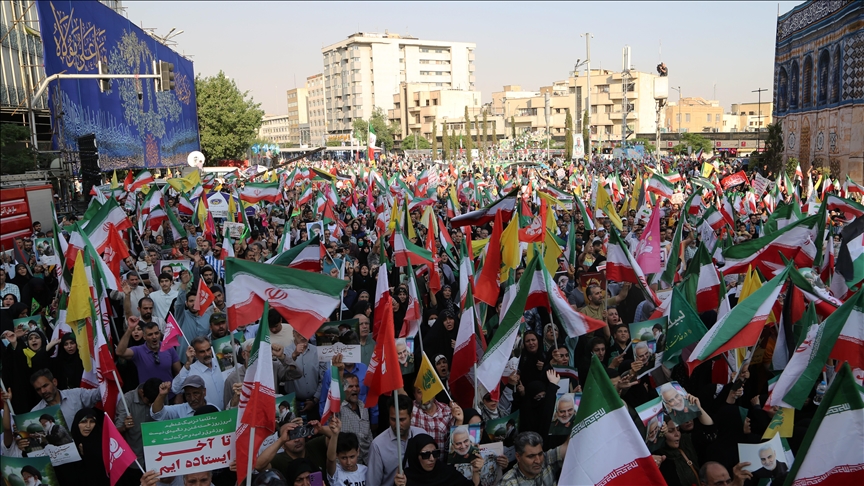
The large-scale military strike carried out by the United States and Israel against Iran did not happen overnight. It was the culmination of years of rising tension, diplomatic breakdowns, military confrontations, and strategic distrust that steadily pushed the region toward open conflict. Here is a structured look at the key events that paved the way for the attack.
1. Longstanding Nuclear Dispute
At the core of tensions has been Iran’s nuclear program. U.S. and Israeli officials have repeatedly expressed concern that Iran’s uranium enrichment activities could eventually lead to nuclear weapons capability. Tehran has consistently maintained that its program is peaceful and designed for civilian energy use. However, mounting reports of higher enrichment levels intensified fears in Washington and Tel Aviv, fueling calls for stronger countermeasures.
2. Regional Proxy Conflicts Intensify
Over the past several years, Iran and Israel have been engaged in what analysts describe as a “shadow war,” involving cyber operations, covert strikes, and proxy conflicts across Syria, Lebanon, and other parts of the Middle East. These indirect clashes steadily eroded diplomatic channels and increased the risk of direct confrontation.
3. The 2025 Military Escalation
In 2025, tensions erupted into a short but intense military exchange between Israel and Iran. Though the confrontation was limited in duration, it demonstrated both sides’ willingness to target strategic infrastructure. The conflict left lingering instability and set a precedent for broader engagement.
4. Collapse of Diplomatic Negotiations
In early 2026, renewed nuclear negotiations between U.S. and Iranian officials aimed to restore limits on Iran’s enrichment program. However, disagreements over missile development, inspection protocols, and sanctions relief led to a breakdown in talks. Diplomatic efforts failed to produce a binding agreement, increasing the likelihood of military action.
5. U.S. Military Buildup in the Region
As negotiations faltered, the United States increased its military presence in the Persian Gulf. Additional naval assets, aircraft, and defensive systems were deployed, officially described as precautionary measures. Iranian leaders viewed the buildup as a direct threat, further escalating rhetoric on both sides.
6. Coordinated Strike on February 28, 2026
On February 28, 2026, Israel launched a large-scale strike targeting Iranian military and strategic sites. The United States supported the operation with intelligence and logistical coordination. The stated objective was to neutralize what officials described as imminent security threats.
Explosions were reported in multiple Iranian cities, and leadership compounds were among the sites hit. The operation marked one of the most significant direct attacks on Iranian territory in modern history.
7. Immediate Retaliation and Regional Fallout
Following the strike, Iran launched retaliatory missile and drone attacks against Israeli territory and U.S.-linked positions across the region. Several Gulf states temporarily closed their airspace, and global oil markets reacted sharply to fears of broader instability.
Conclusion
The major U.S.–Israel attack on Iran was the result of cumulative tensions involving nuclear concerns, regional proxy warfare, failed diplomacy, and military posturing. While leaders on all sides justified their actions as defensive or necessary, the sequence of events illustrates how prolonged distrust and unresolved disputes can gradually escalate into open conflict. The long-term consequences for Middle East stability and global security remain uncertain.
Watch video below :