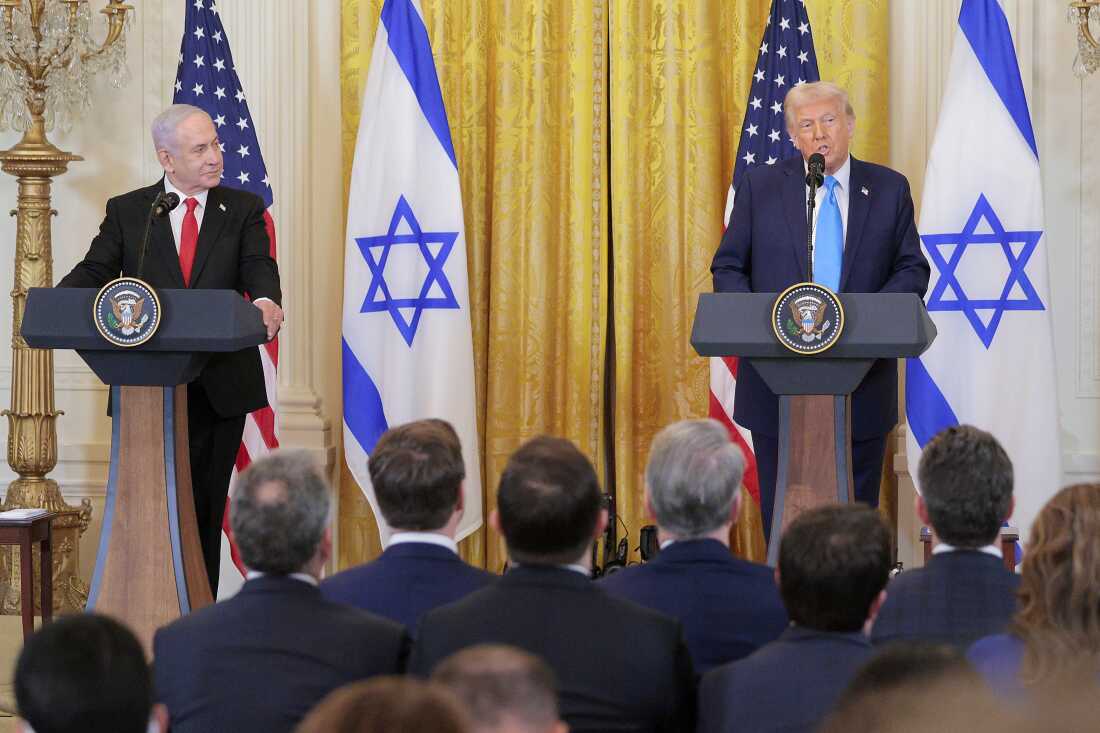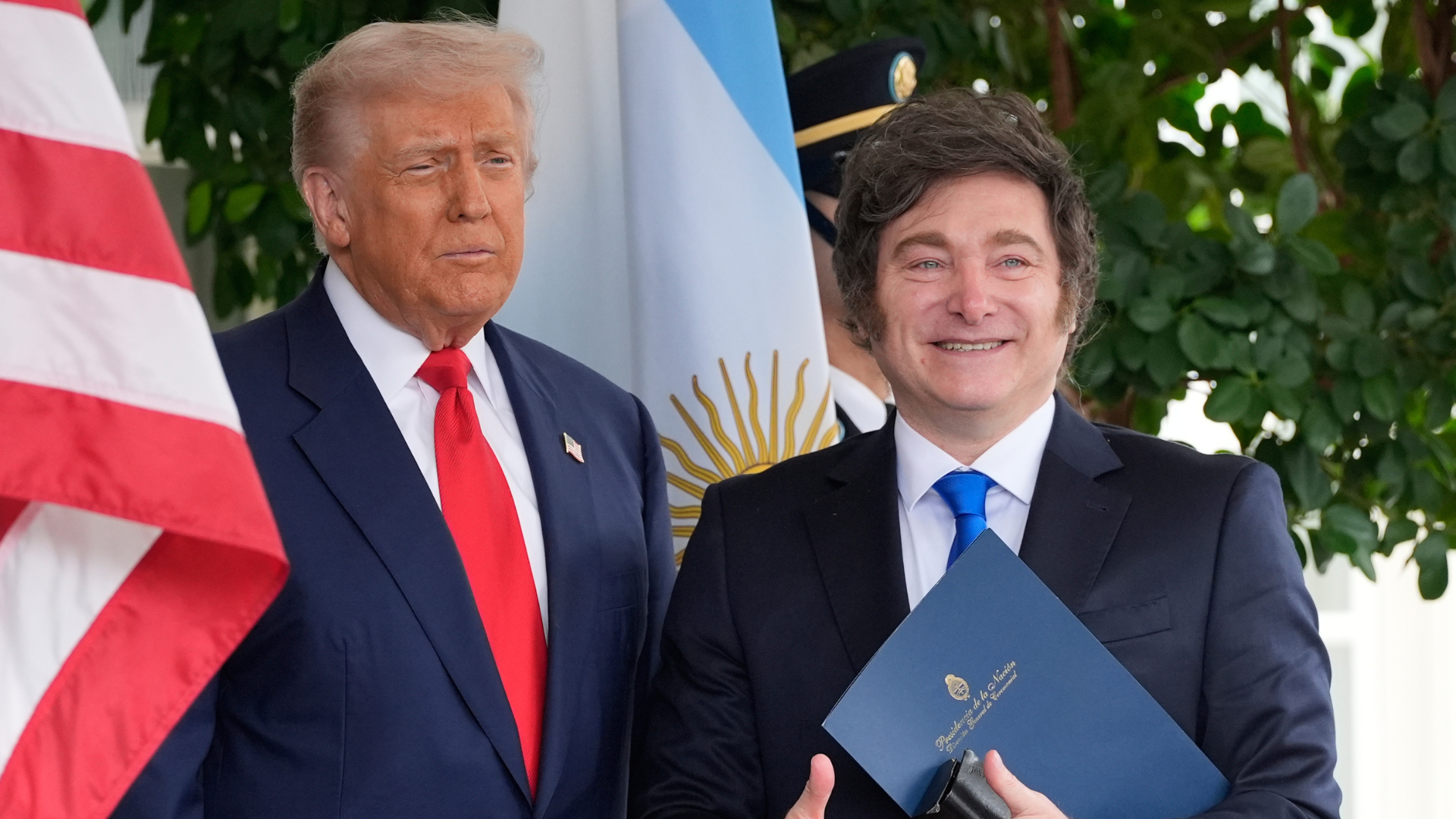
In a striking show of financial diplomacy, the United States has approved a $20 billion support package for Argentina, aiming to stabilize the country’s economy and strengthen ties with President Javier Milei’s pro-market government. But behind this massive loan lies a web of political motives, global rivalry, and economic strategy that reaches far beyond Buenos Aires.
A Lifeline Amid Crisis
Argentina’s economy has been under intense strain for years — runaway inflation, dwindling foreign reserves, and a volatile peso have pushed the nation toward another potential default. The U.S. stepped in with a $20 billion loan and currency-swap arrangement, signaling confidence in Milei’s ambitious reform agenda.
The aid, combined with Argentina’s ongoing IMF restructuring plan, is designed to stabilize markets, curb inflation, and restore investor confidence. But many analysts say the U.S. move is as much political as economic.
Ideological Alignment and U.S. Interests
President Milei, a libertarian economist known for his radical market reforms and anti-socialist rhetoric, shares ideological ground with Washington’s current leadership. His government’s commitment to privatization, deregulation, and fiscal discipline fits neatly with the U.S. vision for Latin America’s economic future.
By supporting Milei, Washington is effectively backing a like-minded ally in a region where left-leaning governments — from Brazil to Colombia — have recently gained ground. The loan therefore serves as both economic aid and geopolitical strategy, reinforcing U.S. influence in the Southern Hemisphere.
Timing and Political Calculations
The timing of the loan is crucial. Argentina faces midterm elections this October, a vote that could determine whether Milei’s reforms endure or collapse. The U.S. loan offers short-term economic relief, potentially giving Milei the breathing space he needs to stabilize prices and regain voter confidence.
Critics argue the deal amounts to foreign interference, saying Washington is “buying stability” to keep a friendly government in power. Still, U.S. officials defend the move as a pragmatic step to prevent regional instability and counter China’s growing financial footprint in Latin America.
Global Strategy and IMF Dynamics
Beyond bilateral ties, the loan also strengthens U.S. leverage within the IMF, where Washington remains the largest stakeholder. The financial package signals renewed American willingness to use economic tools as instruments of diplomacy, not just through multilateral institutions but also via direct intervention.
Analysts note that the loan could set a precedent for how the U.S. handles future crises in developing economies — blending financial aid with ideological and strategic alignment.
Risks and Criticism
Skeptics in both countries warn that Argentina’s history of debt defaults and inflation poses significant risks. U.S. lawmakers have voiced concerns about funding another unstable economy while domestic challenges persist. In Argentina, opposition leaders accuse Milei of surrendering economic sovereignty in exchange for temporary relief.
A Gamble on Reform
Whether this move pays off depends largely on Milei’s ability to deliver sustainable reforms. If successful, Argentina could emerge as a model for market-led recovery in the region. If not, the U.S. may find itself tied to yet another economic failure — and a deepening regional divide.
Watch video below :