

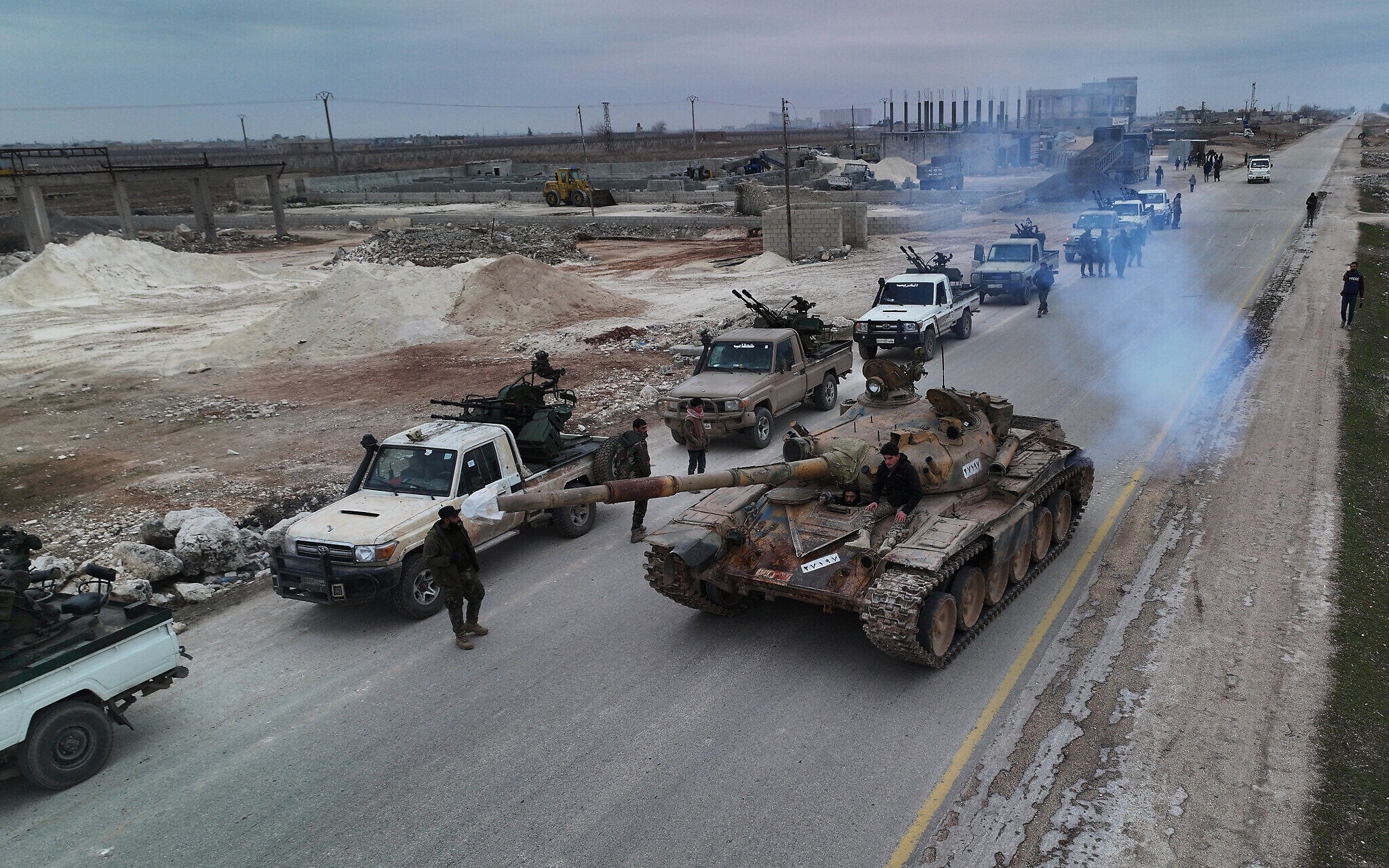
Syrian government forces have advanced into several northern towns after Kurdish fighters withdrew from the strategic area of Deir Hafer in eastern Aleppo province, marking a significant shift in control that could reshape the balance of power in northern Syria.
According to regional sources, the withdrawal of Kurdish-led forces was carried out in a coordinated manner, allowing Syrian army units to enter Deir Hafer and nearby towns without major clashes. The move appears to be part of a broader realignment amid ongoing negotiations, shifting alliances, and mounting pressure from multiple regional actors.
Deir Hafer, located east of the city of Aleppo, holds strategic importance due to its proximity to key supply routes and contested front lines involving Syrian government forces, Kurdish militias, Turkish-backed factions, and remnants of extremist groups. Control of the area has long been viewed as critical for securing eastern Aleppo and stabilizing northern transport corridors.
Syrian state media described the deployment as a restoration of government authority, claiming the army moved in to “ensure security and stability” following the Kurdish withdrawal. Officials said troops were tasked with securing public institutions, protecting civilians, and preventing the reemergence of militant activity.
Kurdish officials, meanwhile, portrayed the withdrawal as a tactical decision rather than a defeat. Sources close to Kurdish forces said the move was intended to avoid direct confrontation and reduce civilian harm amid shifting political and military dynamics. They emphasized that Kurdish fighters remain active elsewhere in northern and eastern Syria.
The transition highlights the fragile and complex nature of control in Syria’s north, where multiple forces operate in overlapping zones of influence. Analysts say the handover may reflect growing pressure on Kurdish groups from regional powers, particularly Turkey, as well as ongoing discussions involving Damascus and external actors.
Residents in affected towns reported a cautious calm as Syrian troops entered the area. While some welcomed the reduction in fighting, others expressed uncertainty over what the change in control will mean for daily life, governance, and security. Years of conflict have left communities wary of sudden shifts in authority.
International reactions have been muted but closely watchful. Observers note that the movement of Syrian forces into former Kurdish-held areas could signal deeper coordination or tacit understandings aimed at preventing further escalation. At the same time, it raises questions about the future role of Kurdish forces and the durability of local ceasefire arrangements.
The development comes as Syria continues to grapple with unresolved conflicts, economic collapse, and fragmented territorial control more than a decade after the civil war began. Northern Aleppo remains one of the most volatile regions, where local changes can quickly ripple into broader confrontations.
For Damascus, the advance represents another step toward reasserting state control over strategic areas. For Kurdish forces, it underscores the difficult choices facing non-state actors navigating a crowded battlefield shaped by regional rivalries and international interests.
As Syrian troops consolidate their presence and Kurdish fighters reposition elsewhere, the situation in northern Aleppo remains fluid. Whether this shift leads to lasting stability or merely a temporary pause in hostilities will depend on the evolving political and military calculations of the actors involved.
Watch video below :


