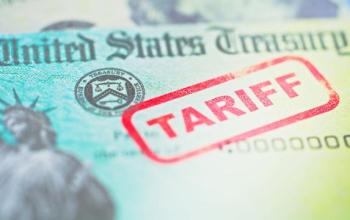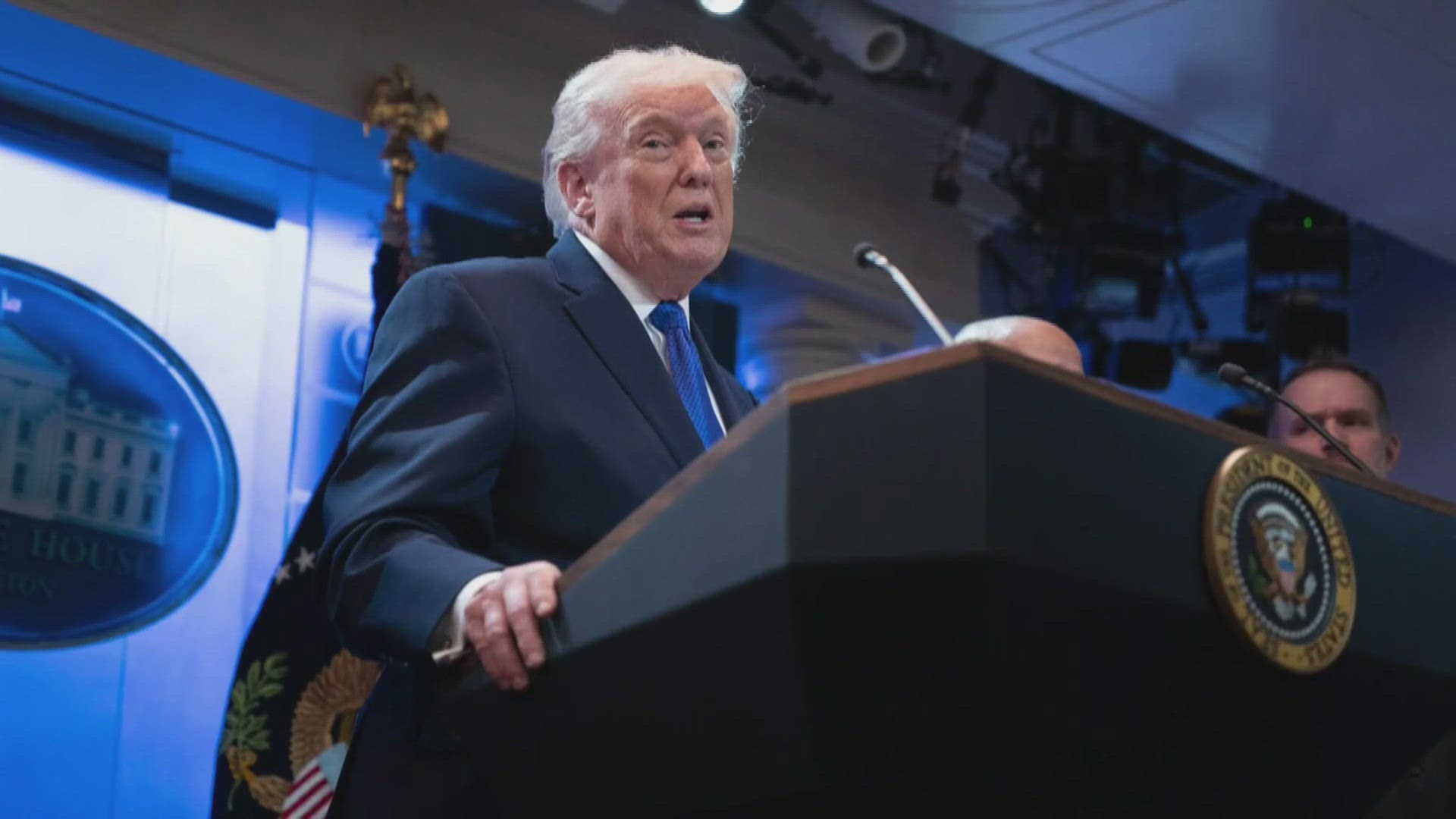
A major ruling by the Supreme Court of the United States against tariffs imposed under President Donald Trump has introduced fresh uncertainty into U.S. trade policy. Despite the potential implications for international commerce and domestic industries, financial markets reacted with notable restraint, signaling investor confidence in economic stability.
The case centered on the scope of executive authority in imposing tariffs under national security and trade laws. During his presidency, Trump implemented sweeping tariffs on imports from key trading partners, arguing they were necessary to protect American manufacturing and address trade imbalances. Critics, however, contended that the measures overstepped statutory limits and disrupted global supply chains.
In its decision, the Supreme Court questioned aspects of the legal foundation supporting those tariff actions, raising the possibility that certain duties could be revised, rolled back, or subjected to additional scrutiny. Legal analysts say the ruling may limit the executive branch’s flexibility in using tariffs as a rapid-response trade tool without clearer congressional backing.
The immediate market reaction was subdued. Major U.S. stock indexes showed only modest movement, reflecting what analysts describe as a “wait-and-see” approach among investors. Wall Street appears to be weighing the broader economic outlook, corporate earnings strength, and Federal Reserve policy more heavily than short-term trade policy shifts.
Market strategists note that while tariffs can affect specific sectors — particularly manufacturing, agriculture, and consumer goods — investors often respond more strongly to interest rate expectations and macroeconomic indicators. With inflation trends stabilizing and economic growth holding steady, the court’s decision did not trigger widespread volatility.
However, trade policy uncertainty could still influence long-term business planning. Companies that adjusted supply chains in response to prior tariffs may now face renewed ambiguity. Importers, exporters, and multinational corporations will be watching closely to see whether Congress moves to clarify trade authority or whether new executive actions emerge.
The ruling also carries political implications. Trade policy remains a central issue in U.S. elections, and debates over tariffs frequently highlight broader themes of economic nationalism, globalization, and domestic job protection. Any shift in tariff authority could shape future campaign platforms and legislative proposals.
Economists emphasize that while markets remained calm in the short term, the decision underscores the complex relationship between law, trade policy, and financial stability. Tariffs influence pricing, corporate margins, and international relations — all factors that can indirectly affect investor sentiment.
For now, the relative steadiness of U.S. markets suggests confidence that institutional checks and balances are functioning as designed. Investors appear to view the ruling less as an economic shock and more as a legal clarification within the broader framework of American trade governance.
As policymakers digest the Supreme Court’s decision, businesses and financial markets will continue to monitor developments. Whether the ruling leads to structural changes in U.S. tariff strategy or simply recalibrates executive authority remains to be seen, but the episode highlights how legal decisions can ripple through economic policy without immediately unsettling market confidence.
Watch video below :