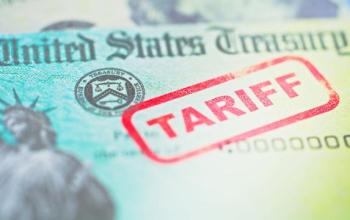


The Supreme Court of the United States is poised to decide a landmark case that could redefine the scope of presidential authority over trade policy. At the heart of the dispute is whether President Donald Trump exceeded his power when imposing broad tariffs under the International Emergency Economic Powers Act (IEEPA).
Trump’s administration argued that the tariffs, which targeted multiple countries, were necessary to address perceived threats to the U.S. economy, including trade deficits and “unfair” imports. Critics contend that such sweeping tariffs effectively bypass Congress, raising serious separation-of-powers concerns.
During oral arguments, justices from both conservative and liberal wings questioned the legality of using IEEPA to levy tariffs. Chief Justice John Roberts asked whether tariffs constitute a tax, a power explicitly reserved for Congress. Similarly, Justice Neil Gorsuch expressed concern that broad executive authority could create a precedent for unchecked presidential power, warning of a “one-way ratchet” in executive influence over trade.
Conversely, Justice Brett Kavanaugh appeared more sympathetic to the argument that emergency powers could logically include tariff authority, especially if the president is authorized to impose trade restrictions or embargoes. The debate highlights the tension between executive discretion and congressional prerogatives in shaping U.S. economic policy.
Legal experts predict the court will likely apply the “major questions doctrine,” which requires clear congressional authorization for actions with vast economic and political impact. The decision could determine whether the president may continue imposing tariffs independently or must rely on more limited statutory powers, such as those outlined in the Trade Act of 1974.
The stakes extend beyond legal theory. Businesses, trade associations, and foreign governments are closely monitoring the case, as the tariffs have affected an estimated $1 trillion in commerce, potentially prompting calls for refunds or compensation if the court rules against the administration.
For Trump, the ruling is both politically and personally significant. He has framed it as a crucial test of presidential authority and American competitiveness on the global stage. Meanwhile, legal scholars suggest the outcome will have long-lasting implications for the balance of power between the executive branch and Congress.
The Supreme Court is expected to issue its decision by mid-2026, though observers note it could come sooner due to the urgency of the case. Its ruling will not only clarify the legality of specific tariffs but also define the limits of executive power in shaping U.S. trade policy for years to come.
Watch video below :