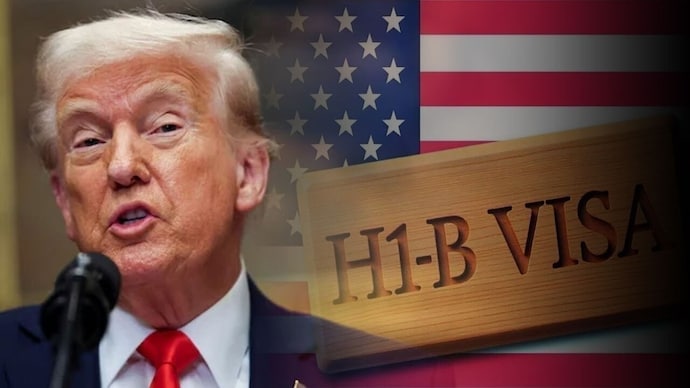
Several U.S. states have filed a lawsuit challenging President Donald Trump’s proposed $100,000 fee for H-1B visa applications, claiming the policy is unlawful, arbitrary, and detrimental to businesses and the economy. The high-profile legal battle raises questions about immigration policy, federal authority, and the future of skilled worker programs in the United States.
What the Lawsuit Claims
The lawsuit, filed by states including California, New York, and Massachusetts, argues that the fee exceeds the legal authority of the federal government and was imposed without proper rulemaking procedures. Plaintiffs contend that the exorbitant fee could discourage companies from hiring skilled foreign workers, particularly in technology, healthcare, and other high-demand sectors.
State officials also claim that the fee would disproportionately harm businesses and universities that rely on H-1B visas to fill critical positions, potentially stifling innovation and economic growth.
Background on the H-1B Program
The H-1B visa program allows U.S. employers to hire foreign workers in specialty occupations, including science, technology, engineering, and math (STEM) fields. Historically, application fees for H-1B visas have been far lower, with most costs falling between $1,500 and $4,000 depending on employer size and program requirements.
The Trump-era proposal to raise fees to $100,000 per applicant represents a dramatic increase, sparking immediate controversy and legal pushback.
States’ Position
The suing states argue that the fee is effectively a tax on hiring skilled foreign workers and violates both statutory limits and administrative procedures. They claim the fee undermines U.S. competitiveness in attracting global talent and could lead to labor shortages in industries heavily reliant on H-1B visa holders.
Officials emphasize that the lawsuit is necessary to protect local economies, businesses, and universities from excessive federal overreach.
Potential Implications
If the lawsuit succeeds, the Trump-era fee increase could be blocked or overturned, preserving the traditional H-1B fee structure. Conversely, if the courts side with the federal government, companies may face unprecedented costs to employ foreign talent, potentially reshaping hiring practices and immigration strategy.
Legal experts note that the case could set a significant precedent for federal authority in regulating visa programs and establishing administrative fees.
Broader Context
The lawsuit highlights ongoing tensions over immigration policy and executive authority, particularly regarding high-skilled worker programs. Critics of the fee argue it reflects a broader strategy to restrict immigration under the guise of administrative costs, while supporters claim it discourages companies from over-reliance on foreign labor.
As the legal battle unfolds, the outcome will be closely watched by businesses, universities, and immigration advocates nationwide.
Watch video below :