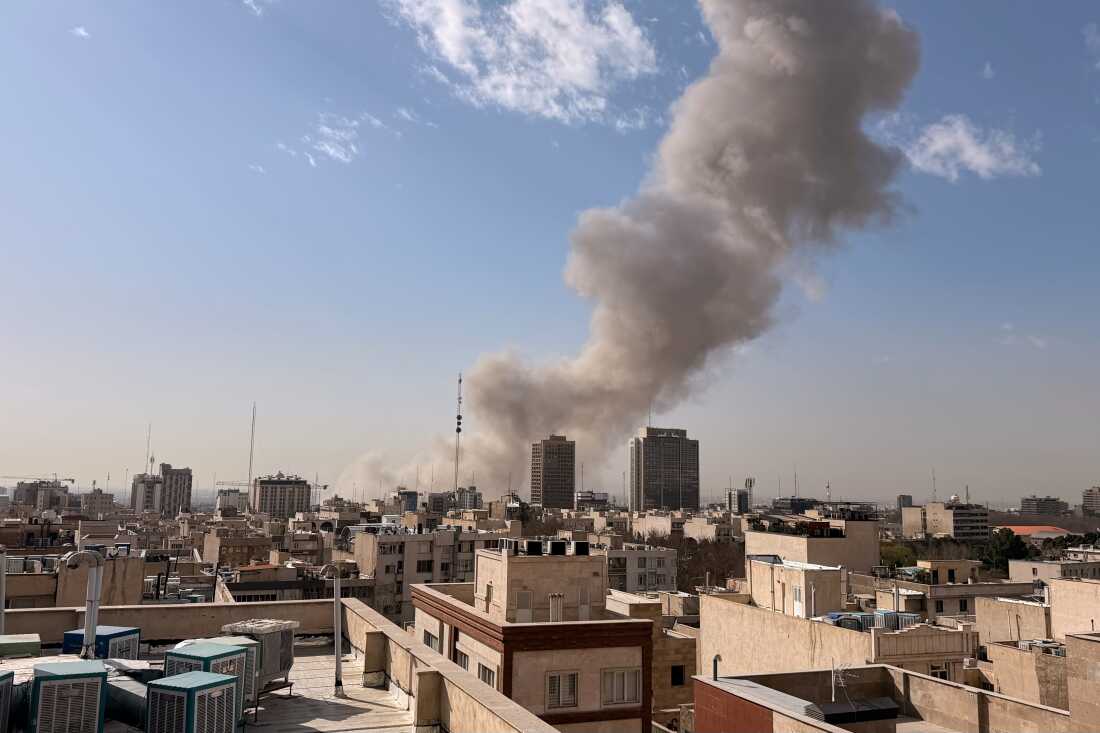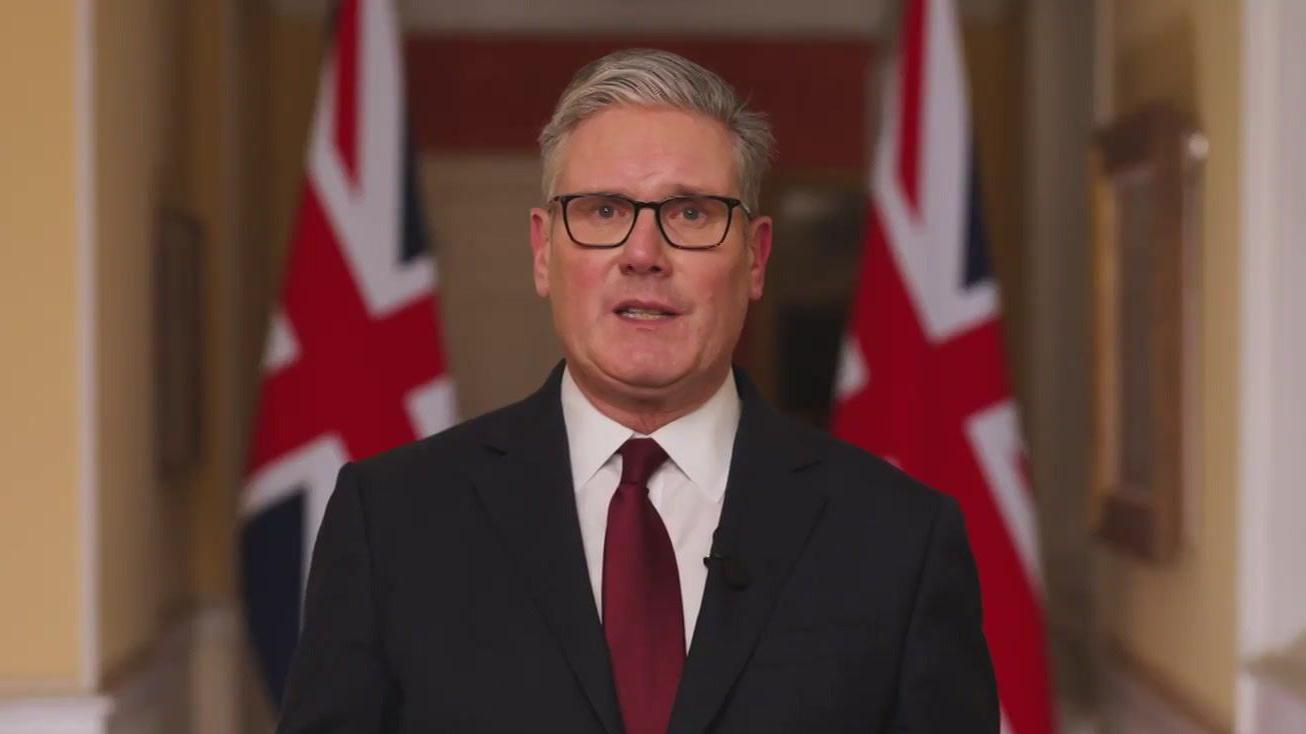
British Prime Minister Keir Starmer has authorized the United States to use British military bases to help counter potential Iranian missile threats, marking a significant escalation in Western security coordination amid rising Middle East tensions.
The decision underscores the strength of the long-standing defense alliance between the United Kingdom and the United States. By granting operational access to key UK military installations, London is reinforcing NATO-aligned deterrence efforts aimed at intercepting or responding to possible Iranian missile activity.
Strengthening the UK–U.S. Military Alliance
Security analysts say the move reflects heightened concerns over regional instability following recent military actions involving Iran. While details remain limited, U.S. forces are expected to utilize advanced missile defense systems and intelligence capabilities positioned at strategic British bases.
The UK has historically hosted American military assets, including air force units, surveillance systems, and logistical support hubs. However, the explicit authorization linked to countering Iranian missile threats signals a new phase of readiness.
A senior defense expert noted that such coordination enables faster deployment of interceptor systems, improved radar tracking, and enhanced joint command structures. “Access to British bases provides operational depth,” the expert explained. “It allows rapid response in the event of missile launches and strengthens collective deterrence.”
Iranian Missile Threat and Regional Security
Iran’s ballistic missile program has long been a point of tension between Tehran and Western powers. The United States has repeatedly raised concerns over the range and precision capabilities of Iranian missiles, arguing they pose risks to allies in Europe and the Middle East.
By expanding U.S. access to British territory, Prime Minister Starmer is sending a clear signal that the UK stands firmly alongside Washington in confronting emerging threats. The move may also reassure NATO partners that defensive preparations are underway should the security situation deteriorate further.
Political and Diplomatic Implications
Domestically, the decision is likely to spark debate in Parliament. Critics may question whether increased U.S. military access could entangle Britain more deeply in Middle East conflicts. Supporters, however, argue that proactive defense cooperation reduces the risk of surprise attacks and reinforces global stability.
On the international stage, Tehran is expected to condemn the move, potentially escalating diplomatic tensions. Meanwhile, NATO allies are closely monitoring developments, particularly given the broader geopolitical volatility surrounding Iran.
What Happens Next?
Defense officials have not disclosed which specific bases will be involved or the duration of U.S. access. However, analysts believe coordination could include air defense interceptors, early-warning radar systems, and rapid deployment aircraft.
As the situation evolves, the decision by Keir Starmer represents a pivotal moment in UK foreign policy — one that highlights the delicate balance between deterrence, alliance solidarity, and the risks of escalation in an already fragile region.
If you’d like, I can optimize this further for Google Discover or structure it with additional subheadings for stronger on-page SEO performance.
Watch video below :