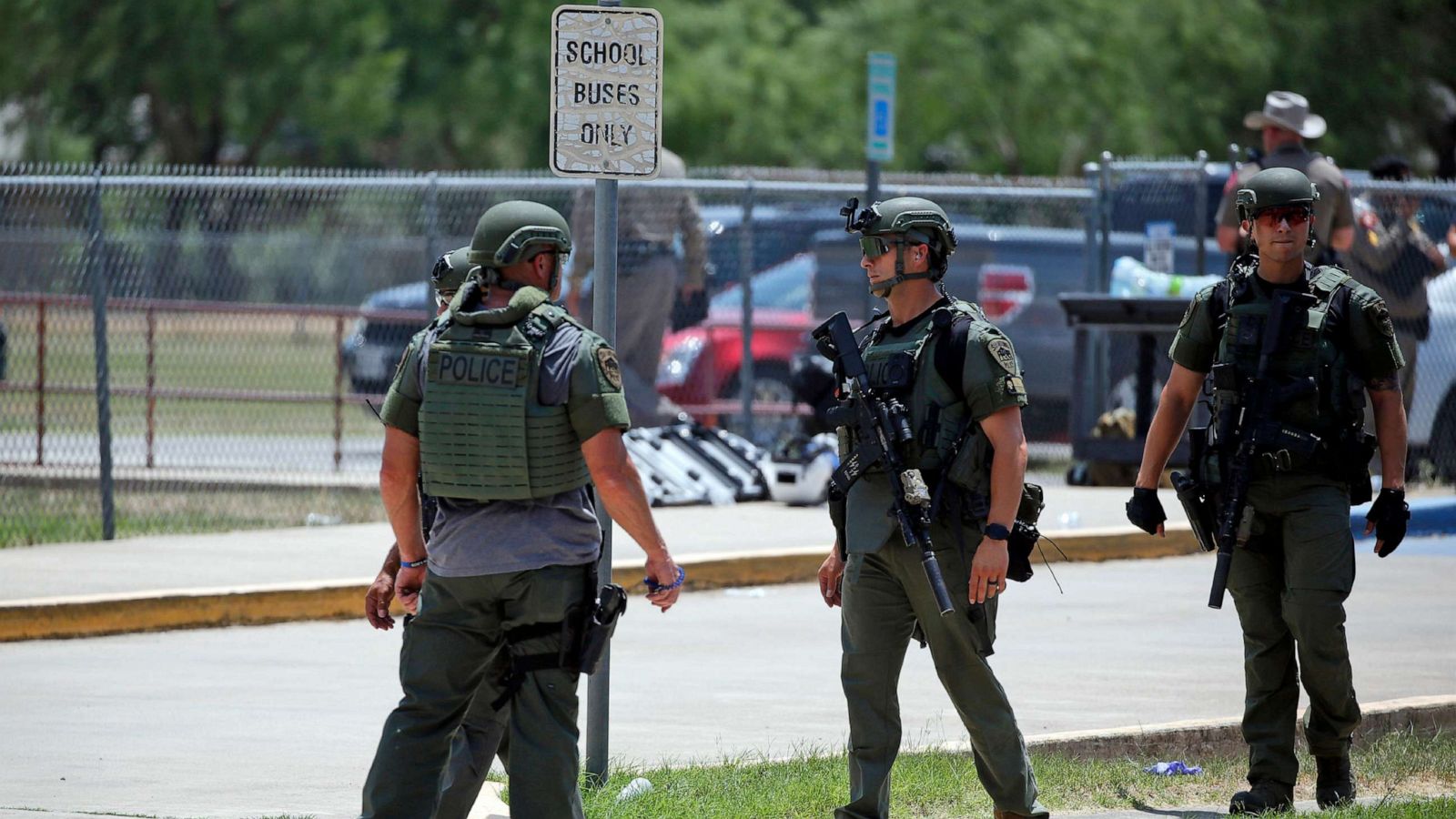
New findings suggest that critical moments may have been missed that could have prevented or limited the tragedy in Uvalde, Texas, renewing scrutiny of law enforcement response, communication failures, and emergency decision-making during one of the deadliest school shootings in U.S. history.
According to reviews conducted by independent investigators and oversight bodies, multiple opportunities existed for authorities to intervene earlier. The reports highlight breakdowns in command structure, delayed tactical decisions, and confusion among responding officers as key factors that hindered a faster response.
One of the central issues identified was unclear leadership at the scene. Investigators found that no single officer effectively assumed command during the early stages of the incident, leading to hesitation and inconsistent actions. Experts say that in active threat situations, immediate and decisive leadership is essential to coordinate response efforts and minimize harm.
Communication problems also played a significant role. Radio traffic was reportedly chaotic, with some officers unaware of critical information being relayed by others. In addition, delays in sharing updates from inside the building contributed to uncertainty about the severity of the situation. Analysts note that reliable, real-time communication is a cornerstone of effective emergency response.
The report further points to delays in confronting the shooter, despite the presence of armed officers on site. Investigators concluded that existing training protocols emphasized rapid engagement in such scenarios, yet those guidelines were not consistently followed. This gap between training and execution has raised serious questions about preparedness and accountability.
Emergency response coordination with medical services was another area of concern. Delays in allowing medical teams to reach victims were cited as a missed opportunity to potentially save lives. Experts stress that swift medical access is critical in mass casualty incidents and should be integrated into response planning from the outset.
In the wake of these findings, families of the victims have renewed calls for accountability and systemic reform. Many argue that the tragedy was not only the result of the shooter’s actions but also of institutional failures that compounded the loss. Their demands include clearer protocols, improved training, and consequences for those who failed to act.
Law enforcement agencies involved have acknowledged mistakes and pledged to implement reforms. Some departments have revised active threat policies, increased training requirements, and clarified command procedures to prevent similar failures in the future. State and federal lawmakers have also cited the Uvalde case as a catalyst for broader discussions on school safety and policing standards.
Experts caution that while no response can eliminate all risk, learning from failures is essential. “The goal is not blame alone,” one public safety specialist said, “but ensuring that lessons are translated into real change.”
As investigations continue and reforms are debated, the Uvalde tragedy remains a stark reminder of the consequences of delayed action. The focus now lies on whether institutions can turn painful lessons into meaningful improvements that may prevent future tragedies.
Watch video below :