Protesters have taken to the streets in large numbers as the United States ramps up pressure on Iran, escalating tensions and drawing renewed global attention to the country’s political instability and worsening economic crisis. Demonstrations have been reported both inside Iran and across major international cities, reflecting growing frustration with Tehran’s leadership and increasing calls for global action.
The protests come at a time when Washington is intensifying its strategy to weaken Iran’s influence through stronger sanctions, tighter restrictions on oil exports, and expanded diplomatic coordination with key allies. U.S. officials have signaled that Iran’s nuclear ambitions, regional military activity, and crackdown on dissent remain top concerns. The increased pressure has raised fears of potential escalation, while also energizing Iranian opposition groups who see the moment as a rare opportunity for change.
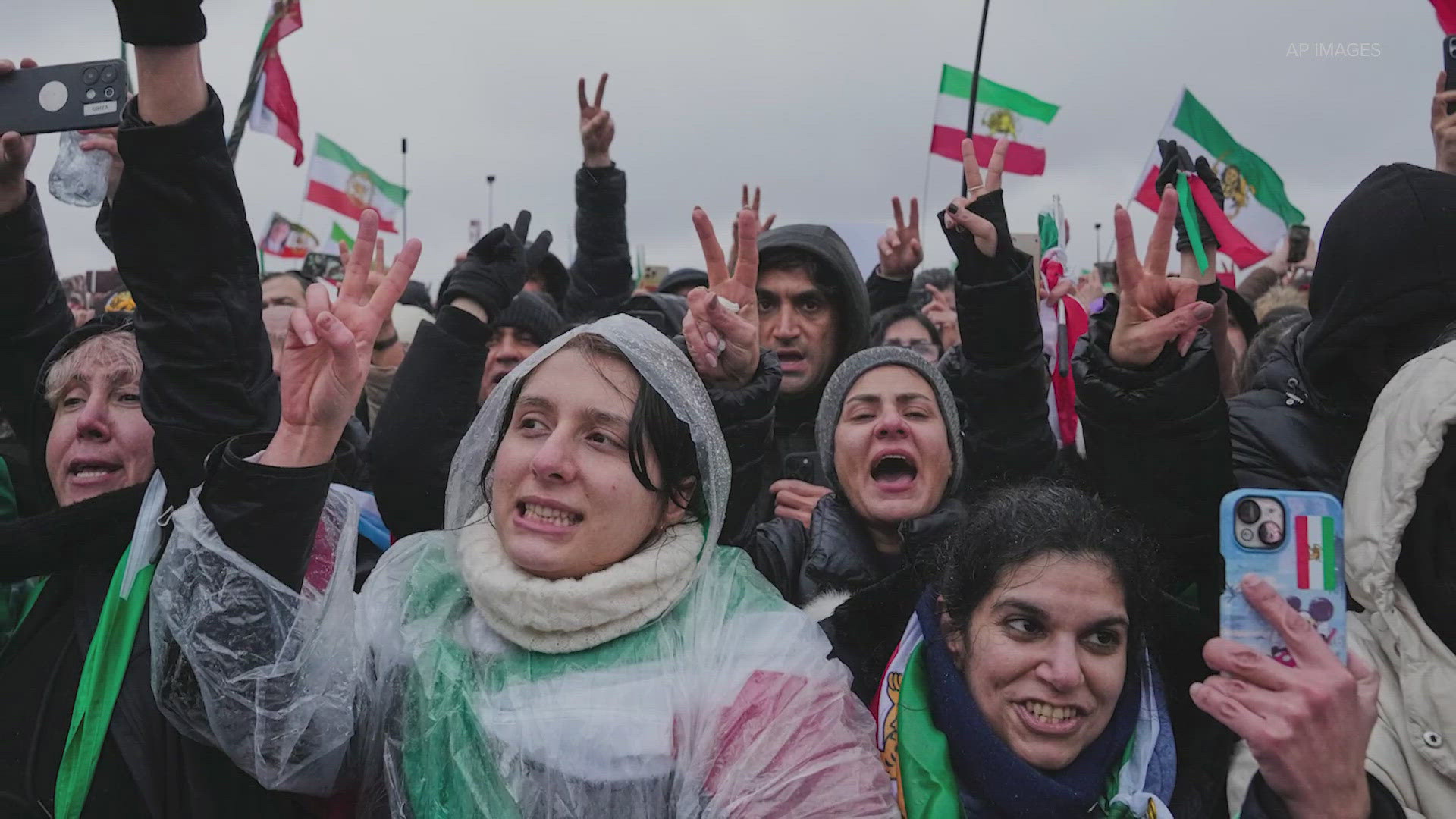
In recent days, thousands of demonstrators gathered in major cities around the world, including Europe and North America, waving Iranian flags and chanting anti-government slogans. Many protesters called for regime change and urged Western governments to take a harder stance against Iran’s leadership. The demonstrations have been widely shared on social media, with videos showing crowds demanding freedom, democratic reforms, and stronger international support for the Iranian people.
Inside Iran, the unrest has reportedly intensified amid deep economic hardship, high inflation, and unemployment. Analysts say public anger has been fueled by the sharp decline of the Iranian currency and rising costs of basic goods, leaving many families struggling to afford daily necessities. What began as economic frustration has increasingly turned into broader political resistance, with protesters demanding an end to repression and corruption.
Meanwhile, U.S. officials are reportedly exploring ways to limit Iran’s ability to generate revenue from oil exports, especially shipments to foreign markets. Washington’s strategy appears aimed at cutting off financial resources that Iran could use to support its nuclear development and military operations. The U.S. has also increased its regional security posture, with military readiness and strategic deployments designed to deter Iranian retaliation.
Opposition figures outside Iran have also stepped up calls for international intervention. Some have urged the United States and European nations to provide direct support to protesters, while others have called for stronger measures to protect civilians against government crackdowns. Human rights organizations continue to accuse Iran’s authorities of using excessive force, arrests, and communication restrictions to suppress dissent.
Experts warn that the combination of rising protests and heightened U.S. pressure creates a volatile environment that could quickly spiral into deeper conflict. However, supporters of stronger sanctions argue that international pressure is necessary to weaken Tehran’s leadership and empower Iranian citizens seeking reform.
As the protests continue, the world is closely watching how Iran responds—and whether Washington’s tougher approach will lead to meaningful political change or further escalation. For now, the demonstrations highlight a growing sense of unrest and a global movement demanding accountability, freedom, and a new future for Iran.
Watch video below :