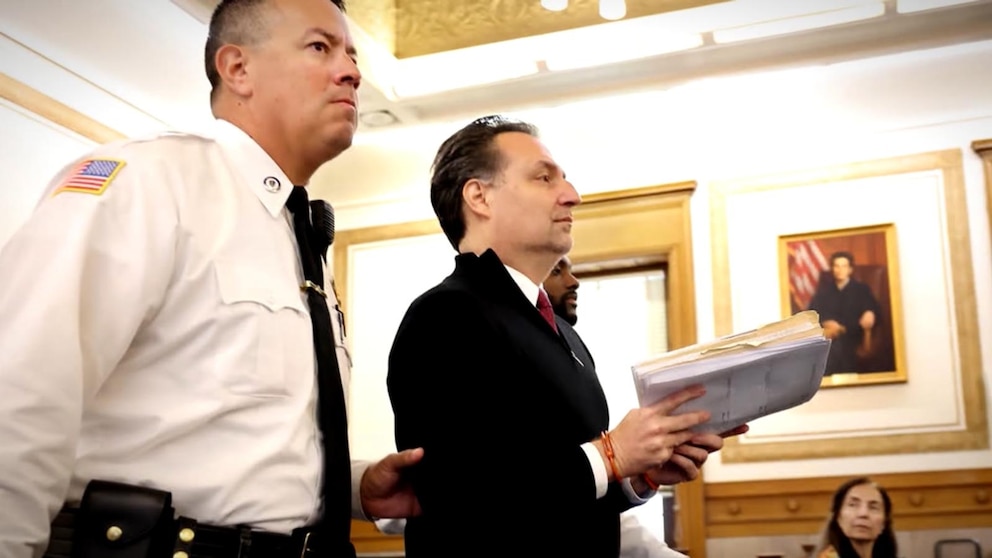
The prosecution has officially rested its case in the closely watched Brian Walshe murder trial, concluding weeks of dramatic courtroom testimony, digital forensics, and emotional accounts from key witnesses. The trial, which has captured national attention due to its disturbing details and the disappearance of Walshe’s wife, Ana, now shifts its focus to the defense as the court prepares for the next phase.
Over the course of the proceedings, prosecutors laid out an extensive narrative that they say proves Walshe meticulously planned and executed the murder of his wife before attempting to cover it up. Prosecutors presented phone data, surveillance footage, search history records, and physical evidence retrieved from multiple locations, all aimed at establishing intent, motive, and action. They argued that this evidence forms a clear timeline pointing directly to Walshe’s involvement.
One of the most compelling components of the prosecution’s case centered around Walshe’s alleged online searches, which investigators say included disturbing queries related to dismemberment, disposal methods, and forensic detection. Prosecutors argued that this digital trail—captured before and after Ana Walshe’s disappearance—reveals premeditation and consciousness of guilt. Expert witnesses walked the jury through the recovered data, emphasizing its consistency with the prosecution’s theory.
Equally significant were testimonies from family friends, neighbors, and law enforcement. Several witnesses described Ana’s fear for her safety during the months leading up to her disappearance, reinforcing the prosecution’s claim of a deteriorating relationship. Police officers also detailed their initial response to the missing person report, explaining how inconsistencies in Brian Walshe’s statements quickly raised suspicion.
Physical evidence played a central role as well. Prosecutors presented items recovered from a trash facility—including a hacksaw, a bloody tarp, and various materials containing DNA linked to Ana Walshe. According to forensic experts, the DNA results were “highly consistent” with the missing woman, supporting the prosecution’s assertion that Walshe attempted to dispose of evidence across multiple locations.
As the prosecution rested, they reminded the jury that their case is built not on isolated fragments but on a “comprehensive chain” of evidence that aligns logically and chronologically. They argued that this interconnected body of proof leaves no reasonable doubt about Walshe’s guilt.
Now, the defense must decide how to counter what many experts describe as a substantial and meticulously constructed case. Defense attorneys are expected to challenge the interpretation of digital evidence, question forensic conclusions, and highlight any gaps or ambiguities in the prosecution’s timeline. They may also argue that the absence of a body complicates the state’s burden of proof, an angle often used in no-body homicide trials.
Court observers anticipate that the defense phase could be significantly shorter than the prosecution’s, though it may still include expert testimony, character witnesses, and an attempt to dismantle key elements of the prosecution’s narrative.
As the trial moves forward, public attention remains strong, with many awaiting closing arguments that could determine the future of Brian Walshe. The case’s emotional weight, combined with its extensive digital and forensic components, makes it one of the most closely followed murder trials in recent years.
Watch video below :
:max_bytes(150000):strip_icc():focal(749x0:751x2)/Karoline-Leavitt-Expecting-Baby-No-2-122625-3ee9c9c5c0004741808a746cca98b9b2.jpg?w=350&resize=350,220&ssl=1 "White House Press Secretary Karoline Leavitt Announces Pregnancy, Expecting Baby Girl")




:max_bytes(150000):strip_icc():focal(749x0:751x2)/Karoline-Leavitt-Expecting-Baby-No-2-122625-3ee9c9c5c0004741808a746cca98b9b2.jpg?w=180&resize=180,130&ssl=1 "White House Press Secretary Karoline Leavitt Announces Pregnancy, Expecting Baby Girl")