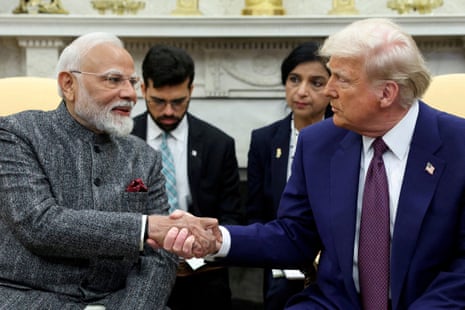
The U.S. president has announced plans to reduce tariffs on Indian imports, marking a significant shift in American trade policy and a potential turning point in the economic relationship between the world’s two largest democracies. The announcement follows months of heightened trade tensions and signals renewed efforts to strengthen U.S.–India trade relations amid changing global economic and geopolitical conditions.
According to officials familiar with the matter, the proposed tariff reductions would lower duties on a wide range of Indian goods entering the United States. These include key export sectors such as textiles, manufactured products, seafood, and consumer goods, industries that have been heavily affected by recent tariff hikes. The move is expected to make Indian products more competitive in the U.S. market while easing cost pressures for American importers and consumers.
The president framed the decision as part of a broader strategy to rebalance trade relationships, encourage fair market access, and reinforce strategic partnerships. In public remarks, he emphasized that lowering tariffs on India aligns with long-term U.S. economic interests and supports closer cooperation with a key Indo-Pacific ally.
Trade analysts note that the announcement represents a clear departure from earlier policies that relied heavily on punitive tariffs as leverage in trade negotiations. Instead, the administration now appears to be prioritizing diplomacy, negotiated trade agreements, and economic collaboration over confrontation. This shift could have ripple effects beyond India, potentially reshaping U.S. trade policy toward other emerging markets.
For India, the tariff reduction is being viewed as a diplomatic and economic win. Lower U.S. tariffs could boost Indian exports, support domestic manufacturing initiatives, and attract additional foreign investment. Indian industry groups have welcomed the announcement, arguing that improved access to the U.S. market will help create jobs and stabilize export-oriented sectors facing global uncertainty.
The decision also carries broader geopolitical implications. The United States and India have steadily expanded cooperation in areas such as defense, technology, and energy. Reducing trade barriers may further strengthen trust between the two governments and reinforce their shared interest in counterbalancing economic and political pressures from other global powers.
However, some critics caution that tariff cuts must be carefully implemented to ensure reciprocity. U.S. lawmakers and industry representatives have stressed the importance of India continuing to reduce its own trade barriers and address long-standing concerns related to market access, regulatory transparency, and intellectual property protections.
Economists say the real impact of the tariff reduction will depend on the scope, timing, and enforcement of the new measures. If fully implemented, the policy could stimulate bilateral trade growth, stabilize supply chains, and send a positive signal to global markets at a time of ongoing economic volatility.
As negotiations continue, both sides are expected to finalize details and timelines in the coming weeks. For now, the president’s announcement has already reshaped expectations, signaling a more cooperative approach to international trade and underscoring India’s growing importance in U.S. economic and strategic planning.
Watch video below :